
Last updated November 24, 2026
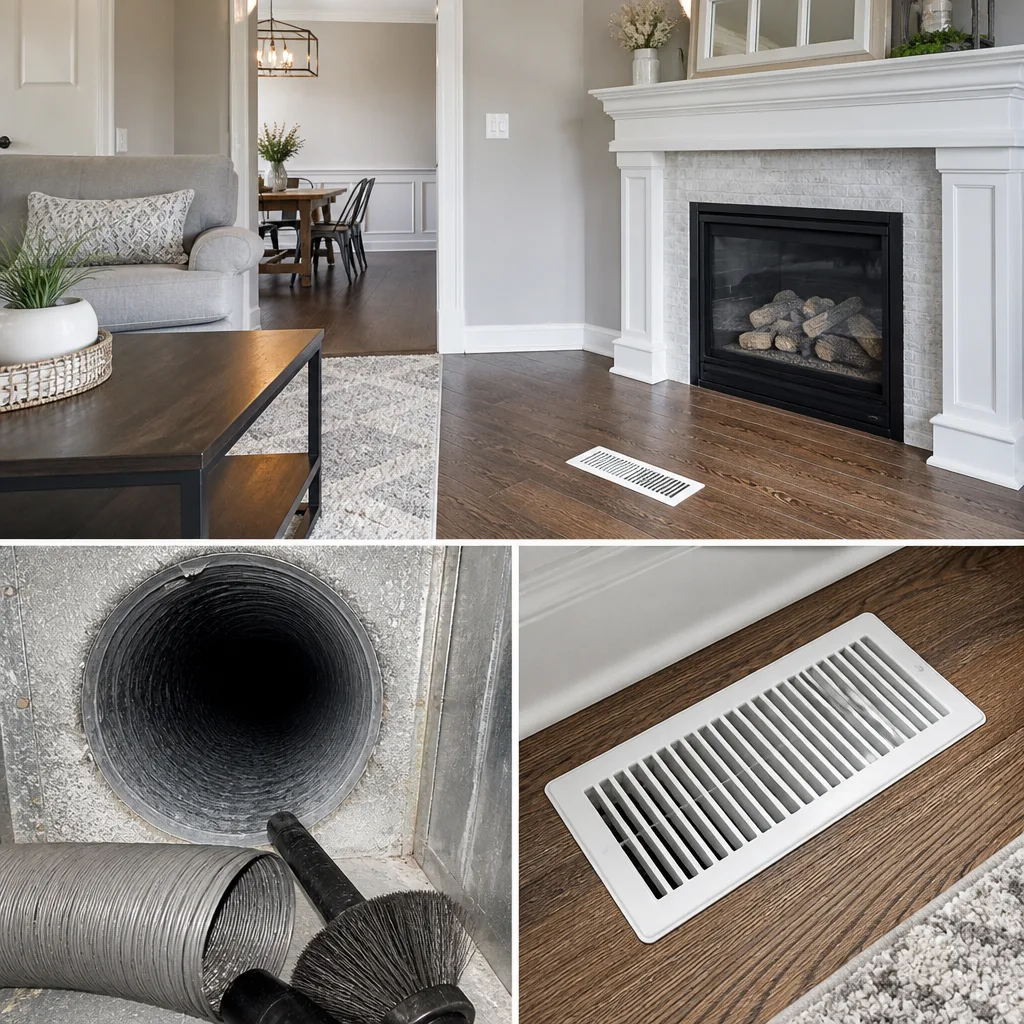 Whole-home duct cleaning
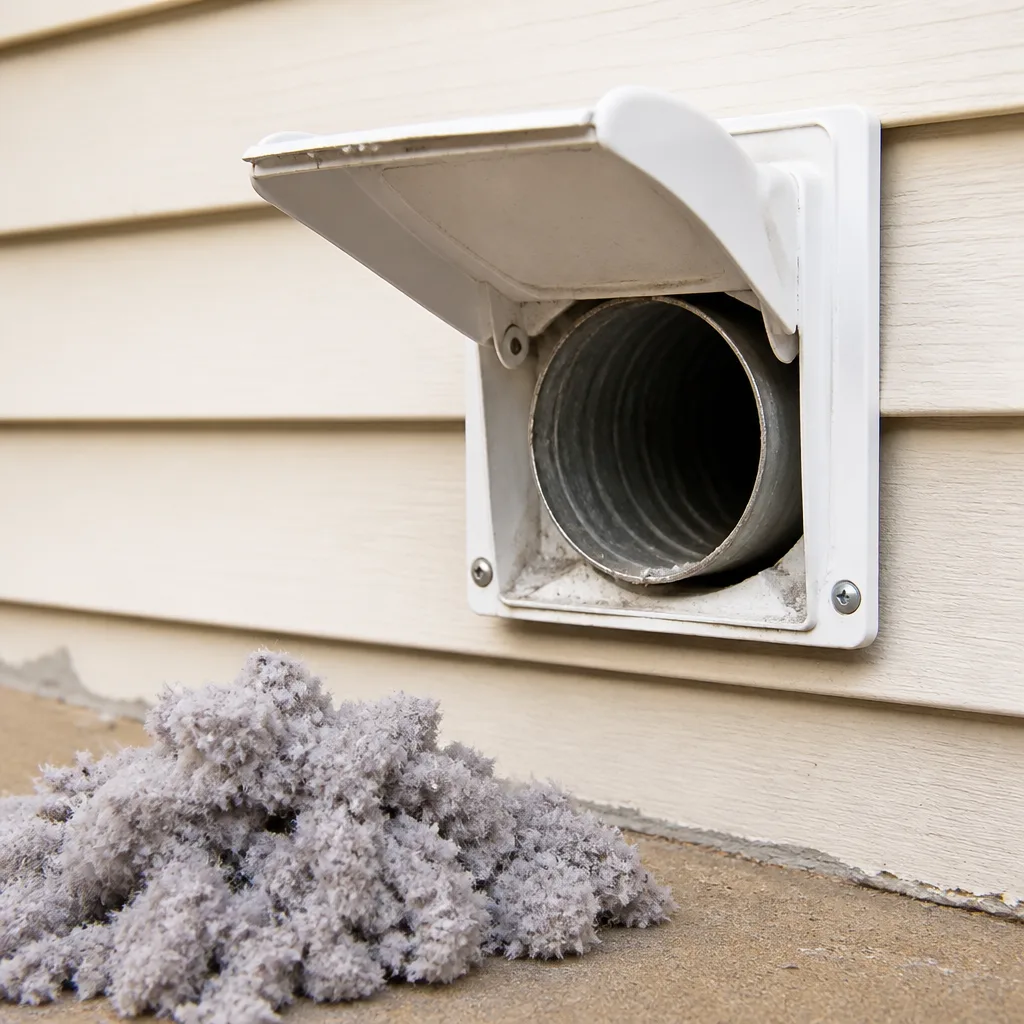 Dryer vent cleaning
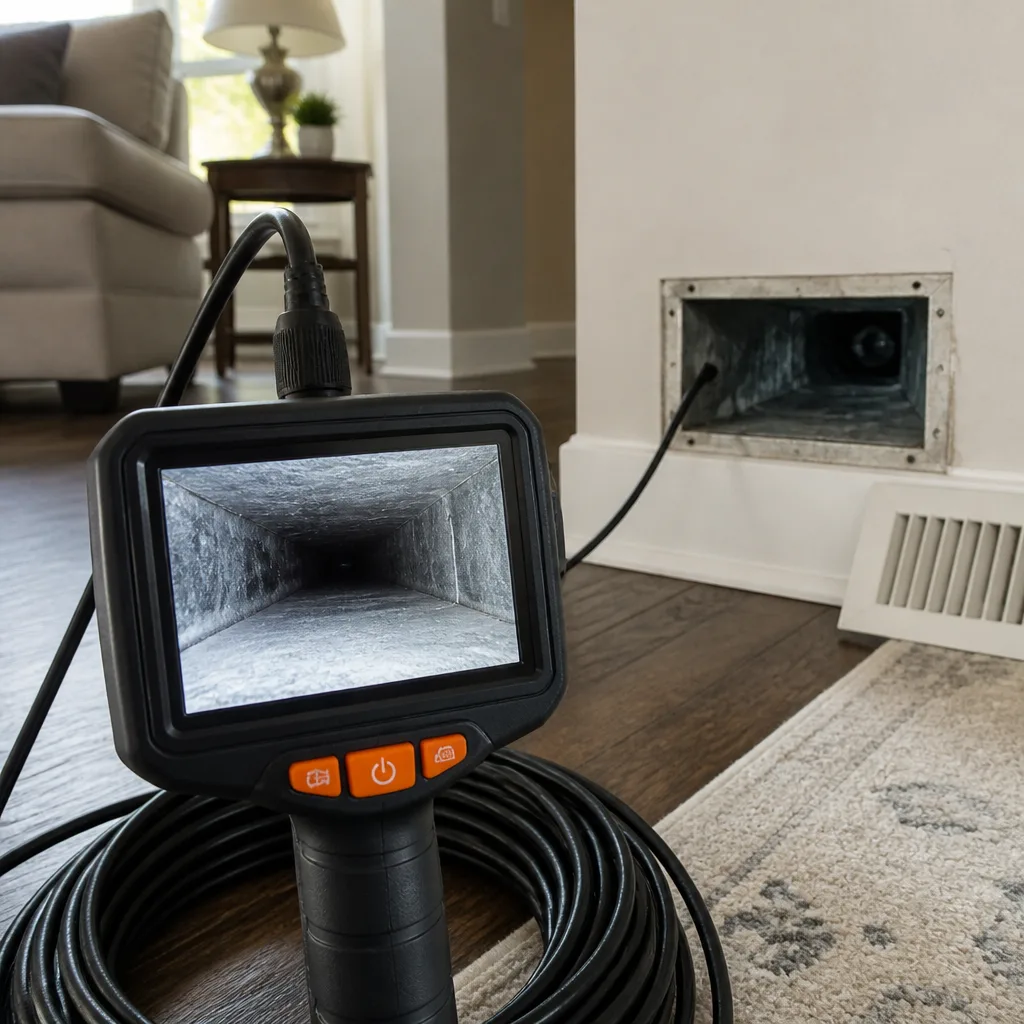 Camera inspection
 Sanitizing & deodorizing
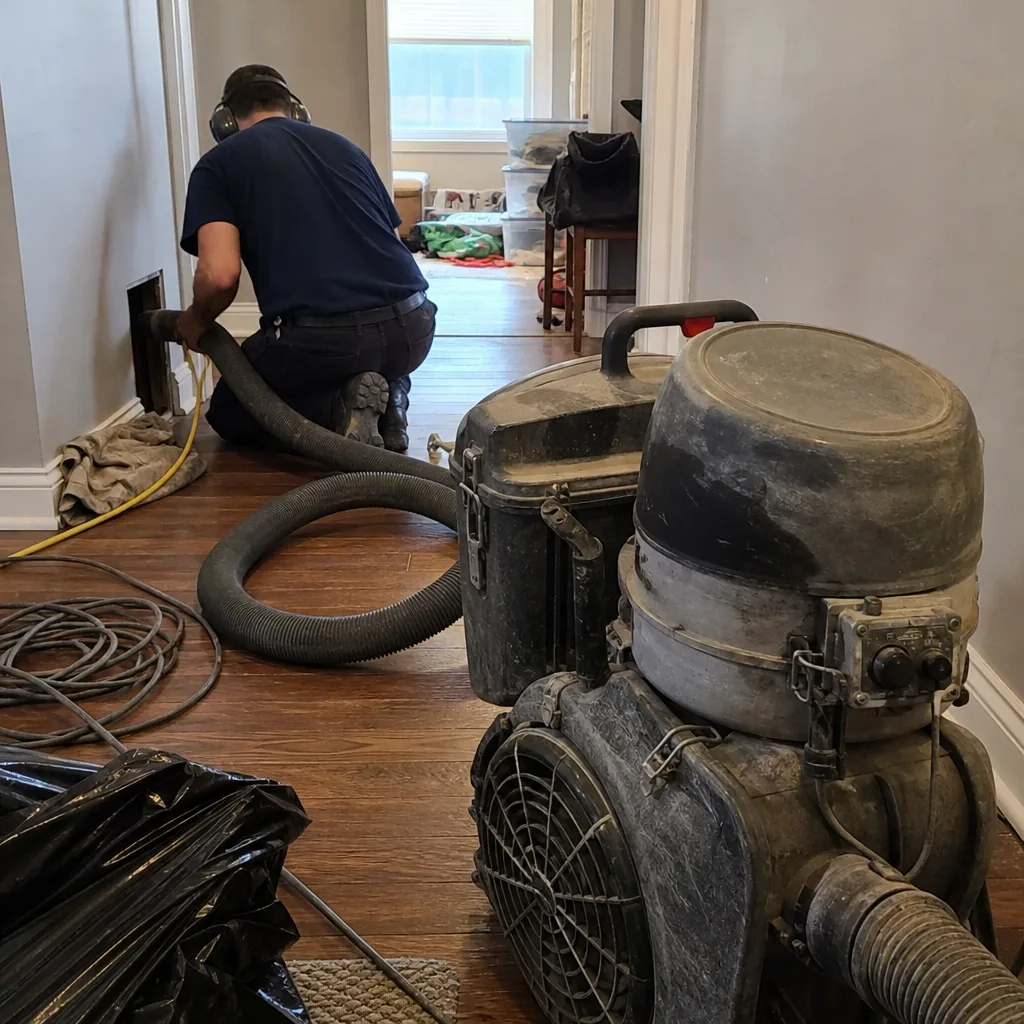
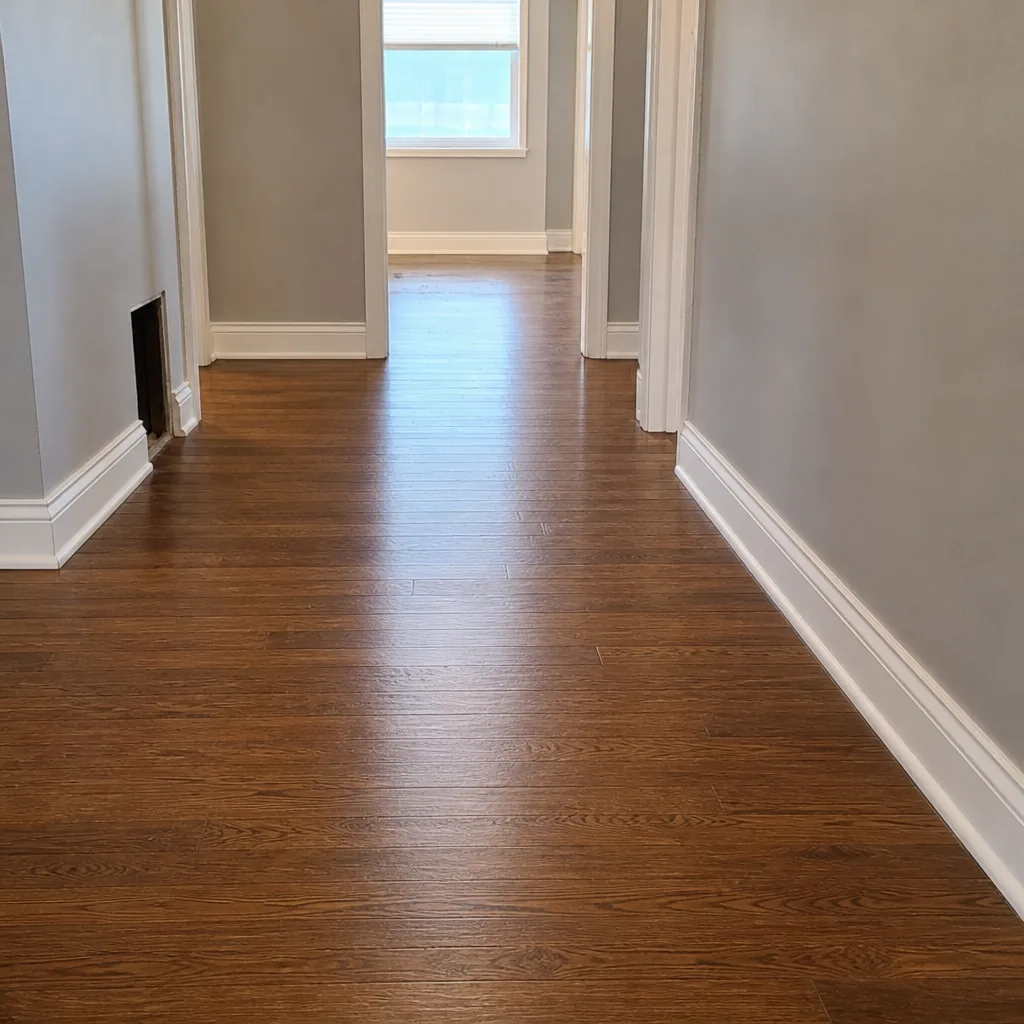
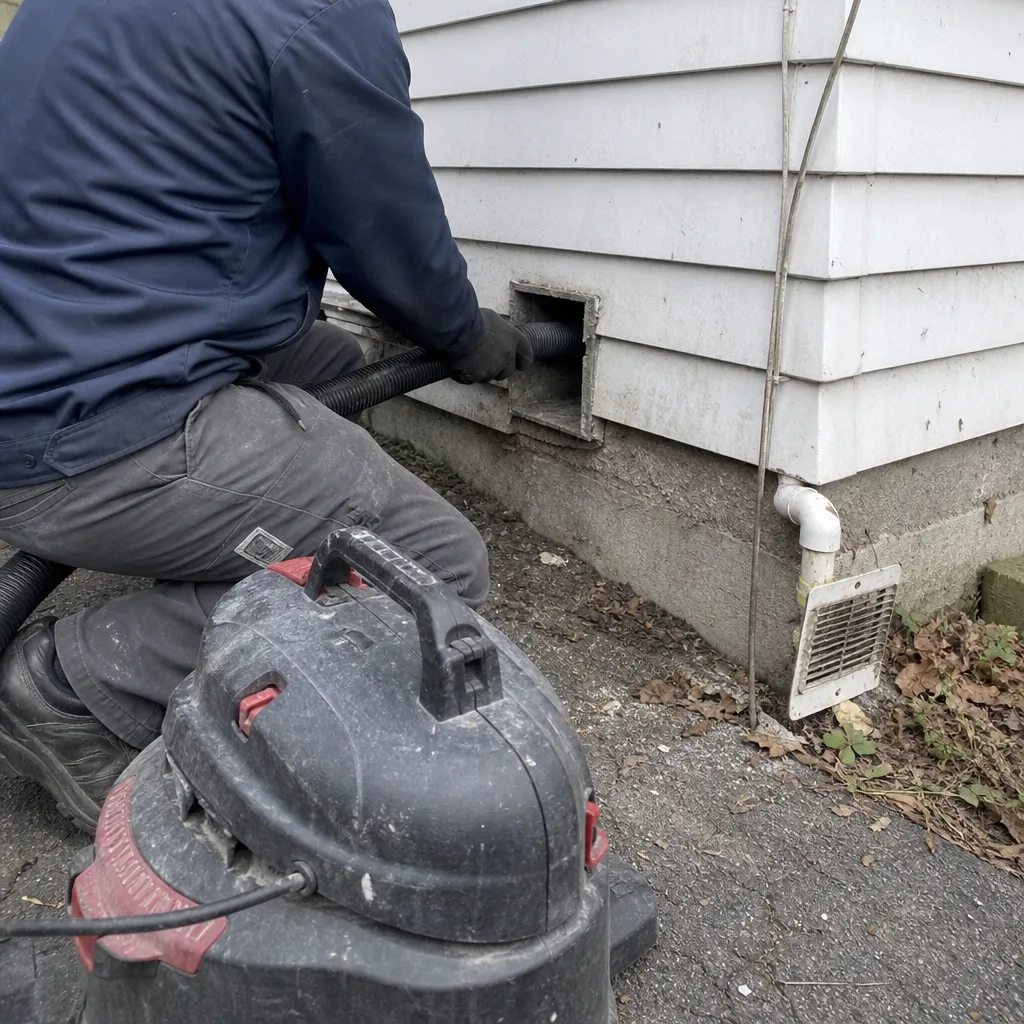
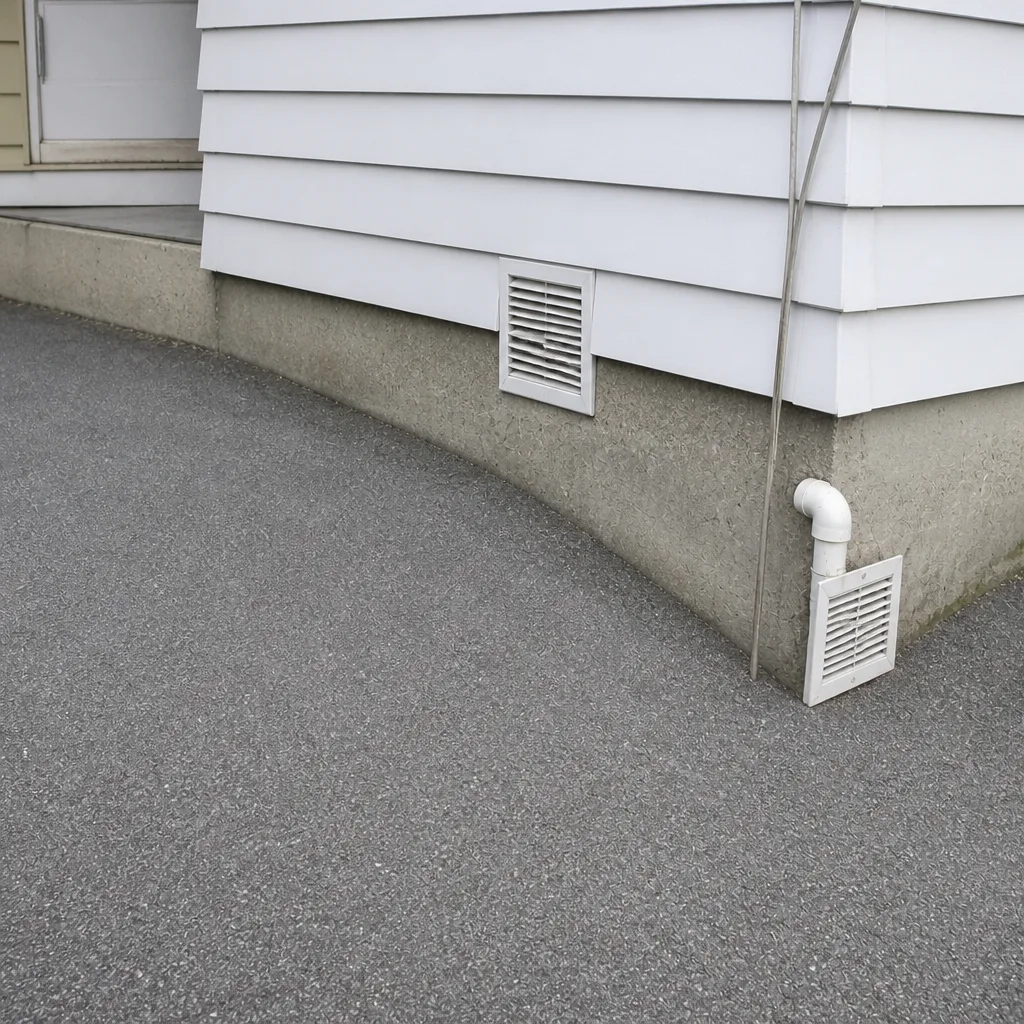
Whole-system duct and dryer vent check with before-and-after photos - you see exactly what came out of your vents
That "$99 whole-house special" is a bait ad - the real number appears once they are in your hallway, or the "clean" is a shop-vac at the register. We photograph the inside of your ducts before and after instead.
Air Duct Cleaning Maintenance Checklist for Tottenville Homeowners
If the only item on your duct maintenance checklist is “replace the filter every 90 days,” you’re tracking one variable in a system with a dozen failure points. Most Tottenville homes we work in have never had the rest of those variables checked. The filter gets changed, the air keeps moving, and nothing seems wrong until a winter heating bill jumps or someone in the house starts sneezing every morning. This guide is a documentation system, not a to-do list: a set of tasks organized by month, season, and year that tells you whether your duct system is trending toward a problem long before you’re paying for a repair. We’ll cover what to look at, what counts as a warning sign, and how to log it all so a technician can pick up where your notes leave off.
Quick Answer
A working duct maintenance routine for a Tottenville home means three things: change or clean the filter on a schedule that matches your household (pets, allergies, renovations), inspect accessible grilles and register boots for dust streaks and separation at least seasonally, and get a full professional cleaning and inspection on a multi-year cycle rather than a fixed calendar date. The checklist below breaks those jobs into monthly, seasonal, and annual tasks, with the specific inspection criteria for each. Documentation matters as much as the tasks: a running log of what you saw and when is what lets a technician diagnose a trend instead of starting from zero.
Styles & brands we work with
- Whole-home duct cleaning
- Dryer vent cleaning
- Camera inspection
- Sanitizing & deodorizing
Table of Contents
- Monthly Tasks: The 15-Minute Walkthrough
- Seasonal Tasks: What Changes With the Weather
- Annual Tasks: The Full-System Review
- How to Inspect Register Boots and Return Grilles
- Checking Flex Duct Connections in Attics and Crawlspaces
- Choosing the Right Filter for Your Household
- Building a System Log a Technician Can Actually Use
- The Dryer Vent: A Separate, Higher-Stakes Checklist
Monthly Tasks: The 15-Minute Walkthrough
The monthly walkthrough is not deep cleaning. It’s observation. You’re looking for change, and the way you spot change is by looking at the same things the same way each month so differences stand out. Fifteen minutes with a flashlight and a notebook covers it.
Here’s the monthly sequence we recommend:
- Change or clean the filter if your household calls for a monthly interval (pets, recent renovation, allergy sufferers). Otherwise confirm the filter’s condition and log the date you last changed it.
- Look at every supply register in the rooms you use most. Note any dark streaking around the edges of the grille, visible dust on the louvers, or a register that blows noticeably weaker than the others.
- Check the return grille (usually the largest one, often in a hallway or central wall). A return that’s visibly gray with dust is pulling that dust across your filter and into the system.
- Listen at the return with the system running. Whistling or a high-pitched rush can mean restricted airflow somewhere in the run, not just a dirty filter.
- Smell the air near a few registers. A musty or stale odor that wasn’t there last month is one of the earliest signs of moisture or biological growth inside the system.
- Log it. Date, what you saw, what you changed. Three lines, no more.
None of this requires disassembly. You’re building a baseline of what “normal” looks like in your home so that the month something shifts, you notice it before it becomes a service call. A register that’s been weak for two months running, a smell that appears only when the heat kicks on, a return grille that clogs faster than it used to: those are the entries that make a technician’s job easier.
Seasonal Tasks: What Changes With the Weather
Tottenville sits on the southern end of Staten Island, and the seasonal pattern here puts real stress on a duct system twice a year. Summer runs humid, which means condensation and moisture in the system are live concerns rather than theoretical ones. Winter runs cold enough that the furnace works hard for months. The transitions between those seasons are when a duct system either gets prepared or gets caught.
A seasonal pass, done at the change from heating to cooling and back again, includes:
- Before heating season: check the return grille and filter housing for dust that built up over the summer, and confirm every supply register in every room is open and unobstructed by furniture or rugs.
- Before cooling season: look for any signs of moisture at register boots (dark spots, damp dust, a musty smell), and check that your condensate path and any accessible duct insulation aren’t showing water staining.
- Both transitions: walk the attic or crawlspace where duct runs are accessible and look for disconnected flex sections or sagging runs (more on this below).
- After any major weather event: a heavy rain or wind storm is a reason to re-check the attic and any exterior duct terminations for intrusion.
Seasonal timing also matters for the professional side. Spring and fall are when most homeowners book a cleaning, which means scheduling fills up. Booking in the shoulder weeks rather than the first cold snap means you get the appointment you want rather than the one that’s left. If your seasonal checklist turns up separation at a flex connection or a run that’s pulling air from the attic, that’s a job for Air Duct Cleaning Tottenville and worth booking before the season turns.
Annual Tasks: The Full-System Review
Once a year, the checklist goes deeper than the walkthrough. This is the pass where you look at the parts of the system you don’t see every day, and where you decide whether the year’s worth of log entries point to a professional visit or to another year of monitoring.
The annual review covers:
- Every accessible register and return, grille-off. Look into the boot itself, not just at the grille face. Dust accumulation inside the boot tells you what’s traveling through the run.
- All accessible duct runs in the attic, crawlspace, basement, or wherever they’re exposed. Check hangers, joints, and connections.
- The air handler or furnace cabinet if it’s accessible to you safely. Look at the blower compartment for visible dust buildup. Don’t open panels you’re not comfortable with; note it and have it checked.
- Exterior terminations for any duct that runs outside or vents through a wall.
- The full system log from the year. Read it end to end. A single weak register is noise. A pattern across a season is signal.
- The dryer vent (its own checklist, covered below).
On cleaning frequency, the honest answer is that there’s no universal calendar. A home with pets, a recent renovation, or someone with respiratory sensitivity generally needs professional attention more often than a two-person household with no pets and no remodeling. What we look for is evidence: visible dust in the boots, a return that clogs quickly, odors, or a log showing the same complaint recurring. That’s a better trigger than a number someone picked for a brochure.
When the annual review points to a full clean, that’s air duct cleaning done with professional-grade extraction, not a shop vac pushed through a register. The difference shows up in what comes out and in whether the dust ends up contained rather than recirculated across your living room.
How to Inspect Register Boots and Return Grilles
You can learn a lot about duct contamination by looking at the openings you already have, without opening the ductwork at all. The key is knowing where to look and what counts as early-stage versus long-standing.
Here’s the inspection method:
- Remove the grille (usually two screws).You’re looking past the face and into the boot, the short metal transition between the duct and the room.
- Shine a light along the boot walls. Light uniform gray dust is normal. Darker, cobwebby or fuzz-covered buildup, especially with a velvet texture, is more than surface dust.
- Look at the boot-to-duct seam. Any dust that’s pushed through a gap and deposited on the outside is a sign that air is escaping at the joint.
- Check the register face for streaking. Dark lines bleeding from the grille edges outward onto the wall or ceiling mean air and dust are being forced through a gap at the frame.
- Compare registers across the house. If one room’s register is much dirtier than the rest, the difference points to a run-specific issue, not a whole-system one.
- Reinstall and log what you found, including the room and a short description. “Northeast bedroom register, dark fuzz in boot, left edge dark streak” is a useful entry.
Early-stage contamination shows up in the boot before it shows up in the room. That’s the value of checking the boot rather than just the grille face. In many Tottenville homes we find that the upstairs registers read dirtier than the downstairs run, which usually tracks back to the return path and how the system is balanced. Repeated seasonal notes about one register are exactly the kind of history that shortens a diagnostic visit.
Checking Flex Duct Connections in Attics and Crawlspaces
Flex duct is common in attic and crawlspace runs, and it has one weakness that a monthly walkthrough won’t catch: the connection between the flex and the metal collar it’s clamped to. When that connection works loose, the system doesn’t stop running. It just pulls air from the attic or crawlspace instead of the house, which means you’re paying to condition air you never get and pulling whatever is in the attic into the rooms.
What to look for, safely and without disassembling anything:
- Visible gaps or daylight at the collar where flex meets metal, or at a tee or wye.
- Flex inner liner pulled back from the fitting, exposing the insulation layer to airflow.
- Collapsed or kinked runs – a flex run that sags sharply or is bent tight at a corner is not delivering air efficiently.
- Torn or separated outer jacket where the insulation is exposed, which cuts the flex’s insulating value.
- Loose or missing hangers letting runs droop and strain connections.
- Condensation or staining at joints, especially in summer.
If you see separation, note it and have it addressed before it gets worse. Attic and crawlspace air is not the air you want in your living space, and a disconnected run can quietly waste a lot of heating and cooling dollars across a season. Repairing and sealing those connections is part of what we do, which means the fix and the cleaning can happen in the same visit instead of a handoff to someone else.
Do not crawl into tight attic or crawlspace spaces if you’re not confident about it; the access and fall risks are real. Note what you can see from a safe position, and let a technician go further.
Choosing the Right Filter for Your Household
Filter choice is where generic advice does the most damage. “Change every 90 days” and “buy the highest MERV you can find” are both wrong for a lot of homes, and the right answer depends on variables that are specific to your house and your household. A filter that’s too thick for your system’s airflow restricts it and can do more harm than a thinner one changed on time.
The variables that should drive your filter choice:
- Pets. Hair and dander load the filter faster. A home with one or two shedding pets generally goes through filters noticeably quicker than a pet-free home on the same system.
- Recent renovation activity. Drywall dust, sawdust and construction debris mean shorter intervals for a few weeks to a few months, sometimes more.
- Occupant allergies or respiratory sensitivity. This is where a higher filtration rating earns its keep, as long as the system can handle the airflow. Brands like Honeywell and Aprilaire make filtration products designed for residential systems; the point is matching the filter to the system’s capacity, not just the highest number on the box.
- Location and climate. In a humid climate, a filter that lets more air through can reduce the chance of condensation on the coil; in a dusty area, a tighter filter collects more. Tottenville homes near low-lying and tidal areas get more humidity in summer, and that tension between filtration and airflow deserves a real look.
- Filter housing fit. A filter that doesn’t seat well lets air bypass around it, collecting nothing. Check that the filter sits flat and fits the slot.
What we’d suggest: pick your filter type once, based on the factors above, then set the change interval from what the filter actually looks like at each check rather than assuming a number. Log the interval so you can see whether it’s tightening (a sign of something else going on) or holding steady.
Building a System Log a Technician Can Actually Use
The log is the part everyone skips, and it’s the part that turns a checklist into a diagnostic tool. A technician who arrives with no history spends the first part of a visit gathering what you already know. A technician with a log starts at the point where the information is useful.
The simplest format that works is a single notebook or spreadsheet with these fields:
- Date of the check.
- Location (room, register, attic run, etc.).
- Observation in plain language, including severity (light, moderate, heavy).
- Action taken (filter changed, noted, called, etc.).
- Any smell or airflow change noted at the time.
What makes this log useful over a year or more is consistency. If you check the same registers in the same rooms every month, a trend emerges: a register that goes from light to moderate to heavy across a heating season is telling you something that a single snapshot never would. A return that used to need changing every two months and now needs it every three weeks is pointing at a specific load.
The professional version of this is a full inspection with documented findings; when you’re ready for that, the HVAC cleaning side of the work covers the coil, blower and cabinet in the same visit that the ducts get cleaned. What matters is that your log and the technician’s findings have the same format, so the handoff is quick.
The Dryer Vent: A Separate, Higher-Stakes Checklist
The dryer vent belongs on its own checklist because the failure mode is different. A clogged dryer vent isn’t a comfort issue or an efficiency issue. It’s a fire risk, and it’s the one duct in the house where lint accumulation is trapped heat, not just dust.
Here’s the quick check:
- Take a look at the lint trap after every load. If it’s very full or you find lint bypassing the trap, that’s a sign.
- Check the duct run (the flexible or rigid pipe behind the dryer) for kinks, crushing, or visible lint buildup at the ends.
- Check the exterior vent flap. It should open freely when the dryer runs and close when it stops. A flap that stays open or a vent with visible lint around it warrants attention.
- Feel the dryer body during a cycle. A dryer that gets hot on the exterior or in a room that heats up noticeably is working harder than it should.
- Notice drying time. If a load that used to take one cycle now takes two, restricted airflow is the usual cause.
- Book a proper clean when any of the above shows up, or on a regular interval you set and log.
In Tottenville homes, dryer vents don’t always run straight out the wall; longer or more convoluted runs collect lint faster than a short direct one. We treat dryer vent cleaning as a standalone fire-prevention service, not a line item tacked onto a duct clean, because it’s worth doing on its own schedule.
Common Mistakes to Avoid
- Equating “changed the filter” with “duct maintenance.” The filter is one variable. Grilles, boots, flex connections, seals, moisture and the dryer vent are all separate items, and a filter schedule tells you nothing about any of them. If your whole routine is filter changes, you’re collecting a fraction of the information available.
- Crawling into a tight attic or crawlspace on your own. Tottenville homes often have flex runs in spaces with limited access and real fall and heat risks. Note what you can see from a safe position and let a technician go further. Documenting a concern is enough; you don’t have to diagnose it yourself.
- Buying the highest-MERV filter you can find. A filter that’s too restrictive for your system’s airflow can create pressure problems and reduce comfort. Match the filter to the system’s capacity, not to the biggest number on the package.
- Ignoring a weak register because “that room was always cold.” A room that runs cool all winter is often a symptom of a restricted or separated run, not a design quirk. Two months of the same note in the log is a reason to have it checked.
- Skipping the dryer vent because the dryer still works. The dryer working is not evidence the vent is clear. Restricted airflow often shows up as longer drying times long before anything fails, and lint in the duct is the fire load either way.
- Keeping the log in your head. Memory smooths over changes. A written log from the same checks at the same intervals is what makes a pattern visible, and it’s what a technician can work from when you call.
- Booking a cleaning but not a repair. A system with a separated flex run and a leaky boot gets cleaned, then re-contaminated by the air it’s pulling. If your log shows separation or seal issues, have those addressed as part of the same visit; that’s why we handle cleaning, repair and sealing under one roof.
See the difference
 Before
 After
 Before
 After
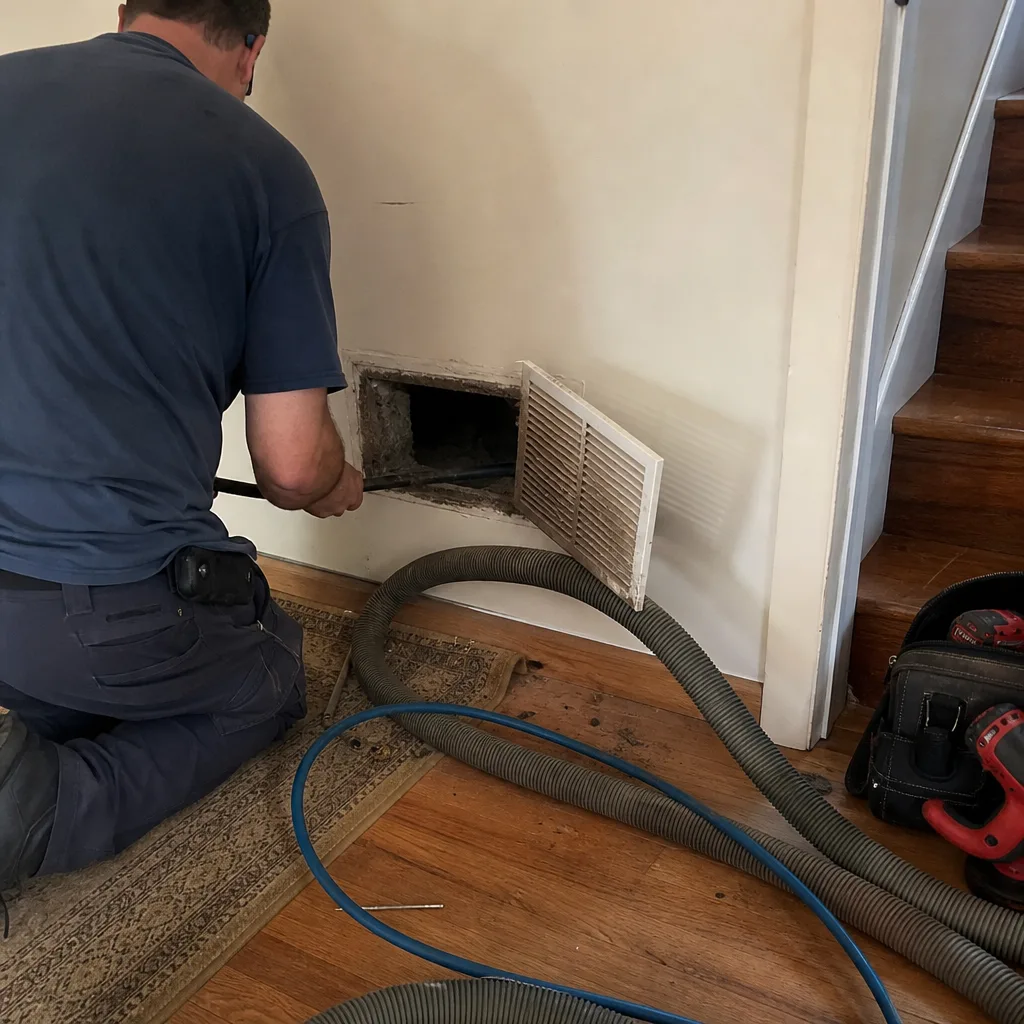 Before
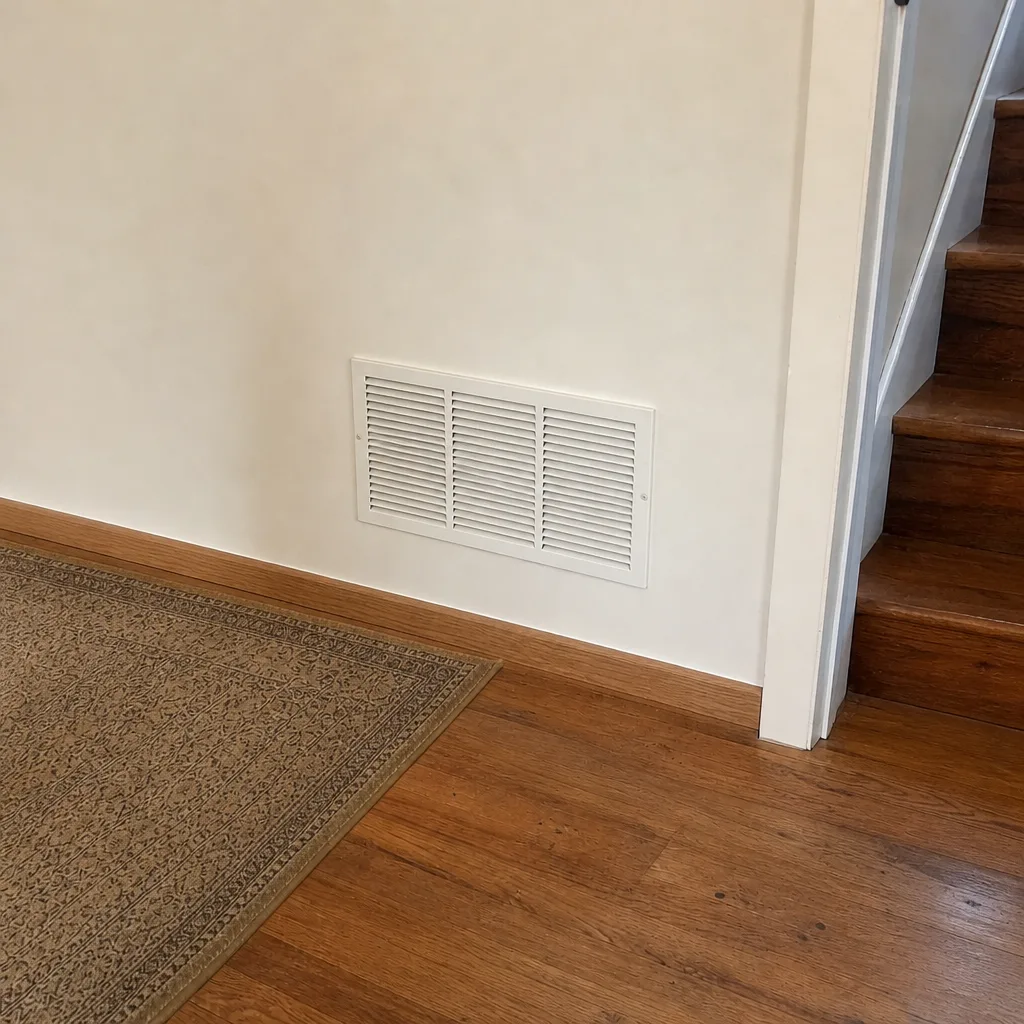 After
When to Call a Professional
Some items on this checklist are yours to handle and some are a reason to bring in a trained technician. You should call when your log shows a register or return that’s getting dirtier faster than before; when you’ve found visual separation, gaps, or staining at a flex connection; when air coming from a register has a musty or chemical smell; when a room won’t heat or cool no matter how the dampers are set; when you see moisture or condensation at a register boot in summer; or when the dryer is taking noticeably longer and the usual checks don’t fix it. You should also call when the annual review shows enough evidence across the system that a cleaning and inspection makes sense. Air Duct Cleaning Tottenville offers free estimates in Tottenville. Call (855) 658-4115. We answer 24/7. Fast dispatch from 7am to 7pm, Sunday through Friday.
Frequently Asked Questions
There’s no universal interval. The practical trigger is evidence: visible dust in the boots, a return grille that clogs faster than it used to, recurring odors, or a log that shows the same problem across seasons. Homes with pets, recent renovations, or occupants with respiratory sensitivity tend to need attention more often. Call (855) 658-4115 to talk through what you’re seeing – estimates are free.
Keep a written log of what you see at each register and return, in the same format, at the same interval. A pattern in that log is worth more to a technician than any single observation, and it turns a vague “something feels off” into a specific starting point for a diagnostic visit.
Look for a visible gap or daylight at the collar where the flex meets metal, a liner pulled back from the fitting, a kinked or collapsed run, or a loose hanger letting a run droop. If you see any of those from a safe position, note it and have it checked. Don’t crawl into tight attic or crawlspace spaces on your own – the access and fall risks aren’t worth it.
Pick based on your household: pets, renovation dust, occupant allergies, and how humid your area runs in summer all change the answer. A filter that’s too restrictive for your airflow can cause more problems than it solves. Match the filter to your system’s capacity, make sure it fits the slot without bypass gaps, and set the change interval from what the filter actually looks like at each check.
Yes. A working dryer isn’t evidence that the vent is clear. Restricted airflow often shows up as longer drying times long before anything else, and lint in the duct is a fire load regardless of how the dryer runs. In Tottenville homes with longer vent runs, lint accumulates faster, so it’s worth a separate, regular check.
Equipment and scope. A low bid often reflects a shop-vac approach, no containment during the job, and a scope that stops at the register face. Professional extraction and containment equipment (we use Abatement Technologies filtration during service to keep dust from recirculating) and the ability to handle repair and sealing in the same visit cost more to run. Ask any contractor what equipment they’ll use and what’s included before you book. Call (855) 658-4115 for a free estimate on a full-scope job.
The Bottom Line
A duct maintenance checklist is a documentation system, not a reminder service. The tasks in this guide (monthly walkthroughs, seasonal transitions, an annual review, flex-duct inspections, filter selection tied to your household, a running log, and a separate dryer vent check) are built to catch degradation before it becomes an emergency call. None of them require you to disassemble anything, and the log is the piece that makes the rest useful. If your notes point to a full cleaning, repair or sealing, Air Duct Cleaning Tottenville is ready with professional-grade equipment and free estimates. Call (855) 658-4115. We answer 24/7. Fast dispatch from 7am to 7pm, Sunday through Friday.
Written by the team at Air Duct Cleaning Tottenville.