
Last updated November 24, 2026
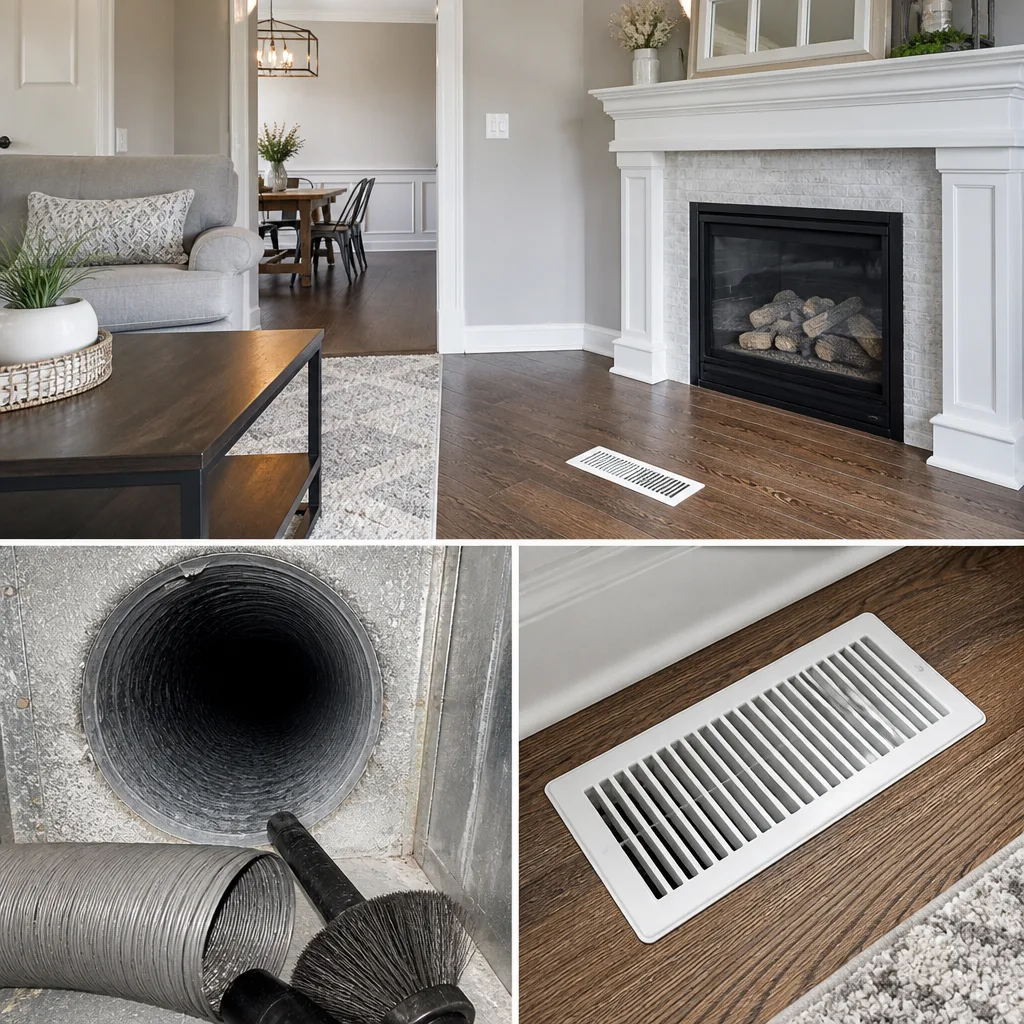 Whole-home duct cleaning
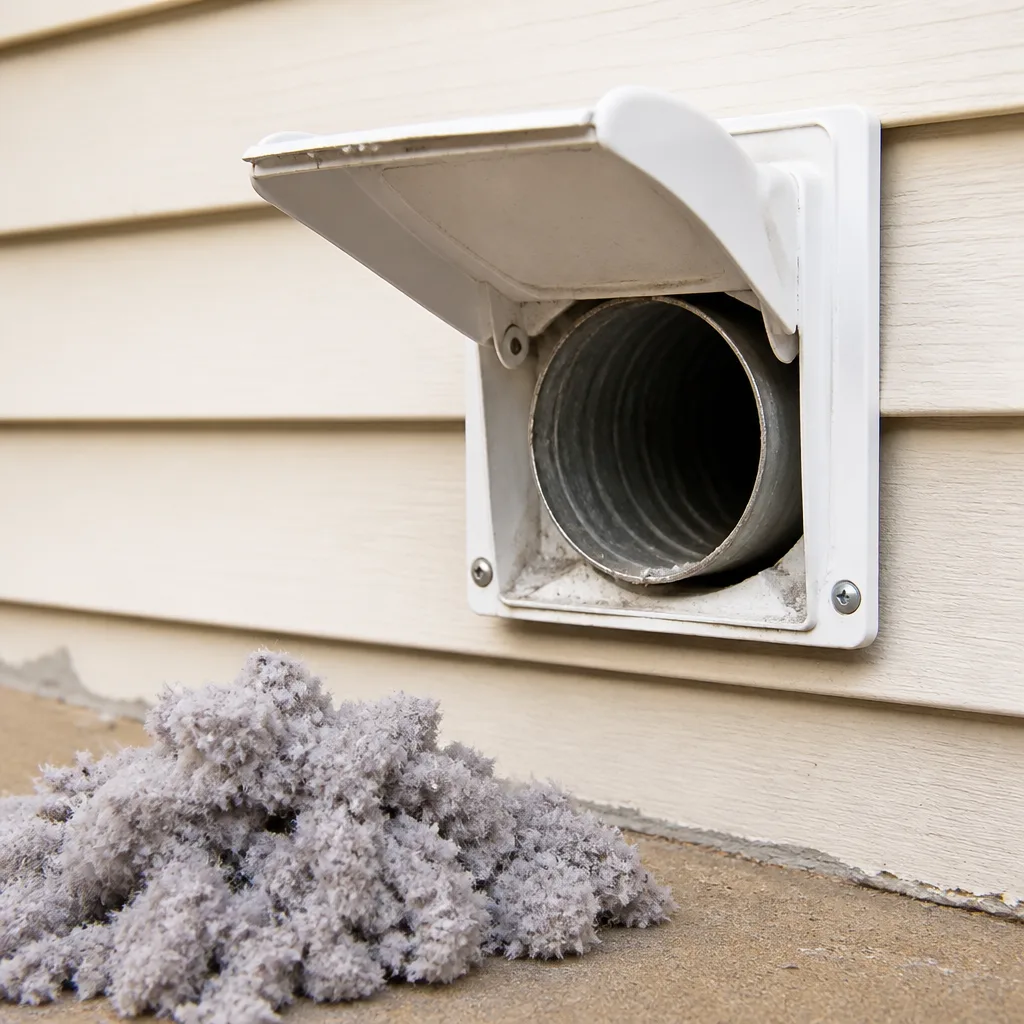 Dryer vent cleaning
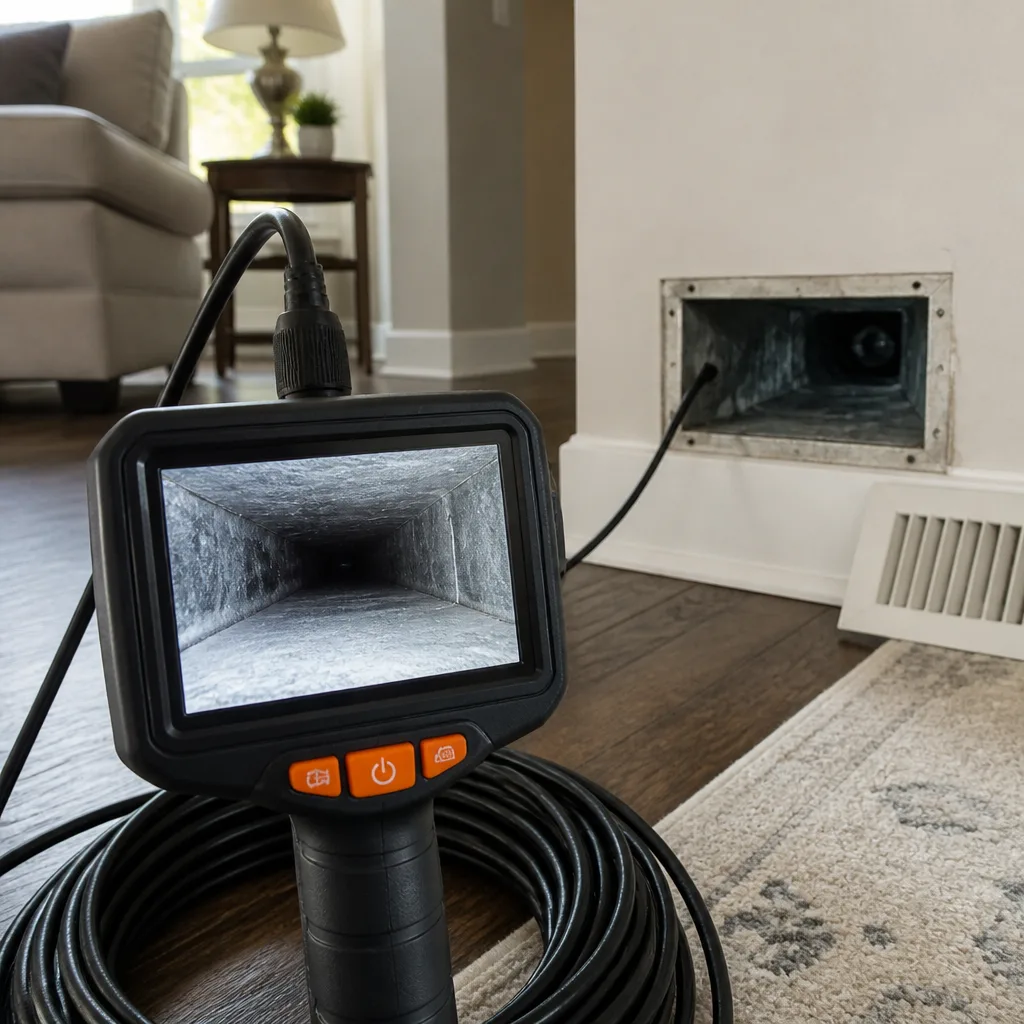 Camera inspection
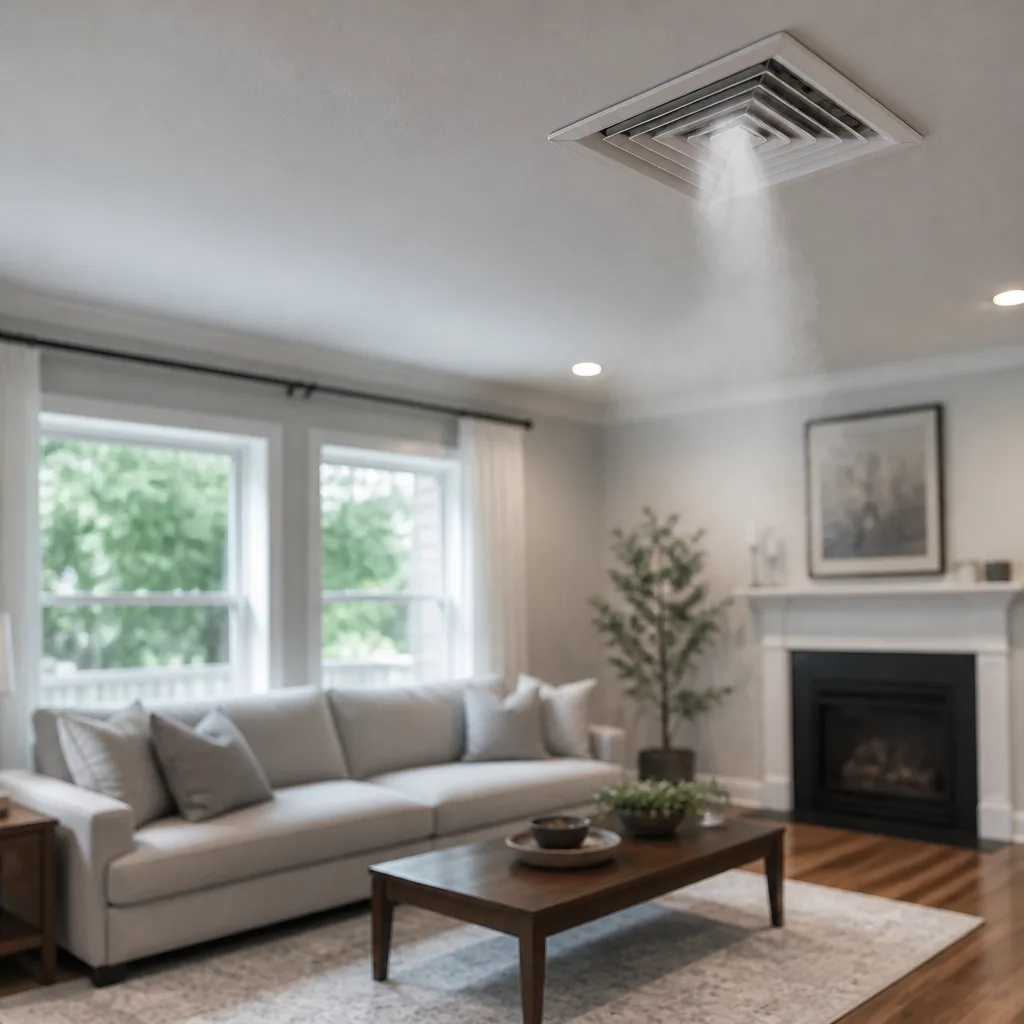 Sanitizing & deodorizing
Whole-system duct and dryer vent check with before-and-after photos - you see exactly what came out of your vents
That "$99 whole-house special" is a bait ad - the real number appears once they are in your hallway, or the "clean" is a shop-vac at the register. We photograph the inside of your ducts before and after instead.
The Complete Guide to Air Duct Cleaning in Tottenville
Most homeowners assume their ducts are either clean or dirty, and that a cleaning is a cleaning. The truth is that the ducts in a Tottenville house are shaped by the conditions around them, and the work that actually restores them looks different from the work a discount crew performs in forty minutes. Two homes a mile apart can need completely different approaches, based on duct material, house age, and how the system was run for the past decade.
This guide walks through what duct cleaning actually involves, why Tottenville’s position at the southern tip of Staten Island matters to the process, how to tell real source-removal from a vacuum-and-go-through-the-motions job, and the questions to ask before you let anyone touch your system. By the end you’ll know what to expect, what to verify, and what to walk away from.
Quick Answer
Air duct cleaning in Tottenville means removing accumulated dust, debris, and biological growth from the supply and return ducts of your HVAC system, not just vacuuming the visible registers. A proper job requires a negative-air machine, agitation tools sized to the duct material, containment to prevent cross-contamination in the living space, and verification photos before the technician packs up. Homes in Tottenville’s older housing stock often need manual brush agitation, not just suction, because the duct configurations and material types resist a straight vacuum.
Styles & brands we work with
- Whole-home duct cleaning
- Dryer vent cleaning
- Camera inspection
- Sanitizing & deodorizing
Table of Contents
- Why Tottenville Ducts Are Different
- Source Removal vs. Blow-and-Go: How to Tell the Difference
- Older Cape Cods and Colonials: What Duct Configuration Tells Us
- What Equipment a Real Contractor Should Arrive With
- The Cleaning Process, Step by Step
- How to Verify the Job Was Done Before They Leave
- How Often Tottenville Homes Actually Need Cleaning
- Common Mistakes to Avoid
- When to Call a Professional
- Frequently Asked Questions
Why Tottenville Ducts Are Different
Tottenville sits at the confluence of the Arthur Kill and Raritan Bay, which shapes how the air moving through your HVAC system behaves. Ambient moisture in the outdoor air here runs higher than in neighborhoods five miles inland, and that humidity doesn’t just hang in the air – it enters your return ducts every time the system pulls fresh air and circulates it through the house. Over a summer, the inside surfaces of sheet-metal and flex duct in a Tottenville home spend more hours in the humidity range where mold spores and dust mites thrive than they would in a drier climate.
What that means practically: Tottenville duct systems accumulate contamination differently than systems in drier parts of Staten Island. Dust alone isn’t the primary concern. The concern is what the moisture lets the dust become. A light dust layer in a dry duct stays a dust layer. The same layer, repeatedly exposed to humid air, becomes a substrate where microbial growth can establish and persist.
What this means for the cleaning
- Sanitizing matters more than scraping. Removing visible debris is only half the work when growth has taken hold. A treatment step using professional-grade products is a real part of the process here, not an upsell.
- Flex duct needs a different touch. The inner liner of flex duct in a humid house can develop microbial growth along the ridges. Aggressive brushing tears the liner; the correct approach is gentle agitation with the right attachment, followed by containment and extraction.
- Sealing gaps is preventative. Duct seams that leak in a humid climate pull moisture-laden air from unconditioned spaces into the supply stream. Sealing leaks is often more valuable in Tottenville than in a dry climate, where leakage is a comfort problem rather than a moisture problem.
The other local factor is the housing itself. Tottenville has a substantial share of mid-century and older cape cods and colonials, many with duct systems that were retrofitted rather than designed with the house. Those systems don’t look like the clean trunk-and-branch layouts in newer construction. They have transitions, elbows, and reductions that a straight vacuum hose can’t effectively reach. When you call Air Duct Cleaning Tottenville, ask any contractor how they handle these duct configurations – the answer tells you a lot about what they know.
Source Removal vs. Blow-and-Go: How to Tell the Difference
The term “source removal” means the contamination is physically removed from the system and captured, not just stirred up and redistributed. It’s the industry standard and it’s what a real cleaning is supposed to accomplish. “Blow-and-go” describes the opposite: a technician arrives, runs a vacuum at one register or at the return, uses an air compressor or a shop vacuum to blow debris loose, and leaves within an hour. Debris doesn’t leave the house – it gets pushed into the living space or redistributed into the ducts, and often into the air handler where it can coat the blower wheel and evaporator coil.
How to tell which one was performed on your system
- Ask where the debris went. A source-removal job collects material in a sealed HEPA-filtered containment or into a truck-mounted vacuum. If the technician can’t explain where the extracted material ends up, the method is likely blow-and-go.
- Look for containment during the job. A proper crew tapes off registers they aren’t working on and runs negative air to keep dislodged particles from drifting into the room. You’ll see plastic sheeting, negative-air equipment, and a system running throughout the job.
- Time on site. A house with six to ten supply runs takes a genuine crew the better part of a morning or afternoon. If the entire process is finished in under an hour, source removal wasn’t what happened.
- Agitation tools on site. Real cleaning involves whip lines, brushes sized to the duct material, and air-driven agitation heads. If the only equipment on site is a shop vacuum and a hose, the method is limited to whatever that hose can physically reach.
- Photos before, during, and after. Source-removal contractors document the work. Ask for the photos whether or not they offer them unprompted – a crew that took them will share them readily.
We’ve seen the difference between the two methods clearly in Tottenville, and the gap isn’t subtle. A blow-and-go job can look convincing for a week. By the time the system runs through a full cooling season, the debris has settled back into the same surfaces. air duct cleaning that’s done to source-removal standard holds up because the material was actually taken out of the system and not just relocated inside it.
Older Cape Cods and Colonials: What Duct Configuration Tells Us
Take a walk through Tottenville’s residential blocks and you’ll notice a dominant pattern: cape cods and colonials from the mid-twentieth century, many expanded or updated over the decades, with HVAC systems that were installed or reworked more than once. That pattern has consequences for duct cleaning, because it produces several conditions that suction alone can’t solve.
The configuration issues we see most often
- Trunk-and-branch with undersized returns. Older systems often have a single return in a central hallway rather than one per zone. That return becomes the primary collection point for the whole house, and the surface contamination there is heavier than in a system with multiple returns.
- Flex runs tucked in tight chases. When flex duct was added to reach new second-floor rooms or an addition, it was sometimes routed through chases and soffits with sharp bends. Debris collects at the bends and in the low points, and the only way to dislodge it is manual agitation with a brush sized to the run.
- Transitions from sheet metal to flex. Every transition point is a place where dust collects as airflow decelerates. A single system can have half a dozen of these, and each one needs attention.
- Original register boots that don’t seal. Gaps at the boot-to-floor or boot-to-wall junction leak air from unconditioned cavities. In a humid climate, that’s a moisture pathway, not just a comfort issue.
What this means for the actual cleaning: a technician who only pushes a suction hose into each register from the room below is going to leave debris behind. Manual agitation with a brush or whip line, connected to negative air, is what actually removes accumulated contamination from the surfaces of these ducts. That’s a slower, more involved job than a one-tool approach, and it’s what older Tottenville homes require.
What Equipment a Real Contractor Should Arrive With
The equipment tells the story before the technician opens their mouth. There are two broad categories of duct cleaning setups you’ll see at the curb, and the difference between them isn’t a matter of brand preference – it’s a difference in what the work can actually accomplish.
Negative air machines: truck-mounted versus portable
- Truck-mounted negative air. A dedicated compressor and vacuum unit in the truck generates significantly stronger suction than any portable system can, and it maintains that suction across longer duct runs. For a whole-house cleaning in a Tottenville colonial with runs that extend to a second floor, truck-mounted negative air is what pulls the contamination out at the collection point.
- Portable negative air units. Good portables exist, and they’re necessary when the truck can’t be parked close enough or when a job scope is limited to one zone. But a portable system working alone against a large system is limited by its airflow, and it takes more time and more passes to achieve equivalent results.
- HEPA filtration stage. The negative-air setup needs filtration, not just airflow. Without HEPA, the fine particulate pulled out of the ducts is exhausted back into the room. Abatement Technologies air filtration is what we use during our jobs to contain dislodged particles at the source, and it’s the same class of equipment used in remediation work.
Agitation and cleaning tools
Rotobrush and Nikro systems are the workhorses of professional duct cleaning, and they’re designed to spin inside the duct, agitate surfaces, and pull debris into the collection stream in one pass. Consumer rentals and repurposed shop vacuums can’t do this – they don’t have the right heads, the airflow, or the containment. Nikro’s brush and whip assemblies are matched to specific duct materials, which matters because the wrong tool damages flex duct liner.
For filtration and sanitizing, we stock and service Honeywell and Aprilaire products, which means we understand how the equipment downstream of the ducts – the filters, the humidifiers, the air cleaners – interacts with what’s in the ductwork. A crew that only cleans ducts can’t tell you whether your filter setup is sized correctly for the system.
When you call HVAC cleaning for the full system, ask about all three categories: negative air, agitation, and filtration. If a contractor can only answer one, the scope is limited.
The Cleaning Process, Step by Step
Here’s how a source-removal cleaning actually works, from the moment a crew arrives to the point where the system is back in service. The sequence matters – a cleaner who skips a step or reorders them will leave contamination behind or push it into the living space.
- Inspection and system mapping. Before anything is dislodged, the technician walks the house, identifies the return and supply layout, notes duct material, and checks the air handler. This is where older Tottenville homes get flagged for manual agitation if the layout requires it. Any existing damage to flex liner, disconnected joints, or gaps in the boot transitions gets documented.
- Containment setup. Registers not being actively worked on get sealed. Negative-air equipment gets positioned to keep the cleaning zone under negative pressure, and HEPA filtration runs throughout the job.
- Return-side cleaning. The return ducts are cleaned first, because that’s where the heaviest accumulation sits. Manual agitation plus negative air pulls the material out. In older systems with a single central return, this is the longest step.
- Supply-side cleaning, zone by zone. Each supply run gets agitated and pulled clear. Flex runs need brush heads sized to the liner; rigid sheet-metal gets whip lines and larger brushes.
- Air handler and coil check. The blower wheel, evaporator coil, and blower compartment get inspected. If contamination has migrated into the air handler, that cleaning is part of the job – leaving it inside the system defeats the whole purpose of the duct cleaning.
- Sanitizing treatment. With the duct surfaces clean, a treatment applied at the correct concentration addresses residual biological growth on the surfaces. Guardsman-grade protection products are what we use for this step.
- Sealing and repair. Disconnected joints, gaps at boots, and damaged sections of flex get sealed. Duct sealing is often the difference between “the ducts are clean today” and “the ducts stay clean for the next few years.”
- Reassembly and verification. Registers go back on, the system is run through a full cycle, and photos from before, during, and after are reviewed with the homeowner.
The whole sequence on a typical Tottenville cape cod runs longer than most homeowners expect. That’s a feature, not an inconvenience. Also part of a full-service visit: dryer vent cleaning is offered as a dedicated service, because a clogged dryer vent is a fire hazard that has nothing to do with HVAC but everything to do with home safety.
How to Verify the Job Was Done Before They Leave
Verification is the step homeowners most often skip, and it’s the step that catches both poor work and outright non-work. You don’t need special tools. You need five minutes and a short list of checks.
What to check before the contractor leaves your driveway
- Compare before-and-after photos. Ask to see photos of the inside of the return and at least two supply runs, taken before cleaning started, and the same locations after. A real cleaning changes what those photos show. If the “before” photos look clean or the “after” photos look identical, ask why.
- Ask what was removed and where it went. The technician should be able to describe what came out of the system – what kind of debris, what volume, whether any material was biological growth. Vague answers are a flag.
- Inspect the register boots. Look inside each boot before the register goes back on. Clean surfaces to the touch is the standard.
- Watch the system run for a full cycle. After the cleaning, turn the system on and let it run for several minutes. Airflow should be even across supplies, and there shouldn’t be visible debris blowing from any register.
- Confirm any repair or sealing work. If duct repairs or sealing were included in the scope, ask the technician to point out where each was done. Tape, mastic, and new connections should be visible.
- Get a written summary. A one-page summary of what was found, what was done, and any recommended follow-up protects you if a problem shows up later.
In our experience, homeowners who verify are the ones who end up satisfied with the outcome – not because we’re telling them to check up on us, but because verifying is how you separate real work from the alternative, and it’s how you know what you paid for was delivered.
How Often Tottenville Homes Actually Need Cleaning
The generic answer is every three to five years, and it’s not wrong for a household in a dry climate with no pets and a good filter. Tottenville isn’t quite that. The combination of coastal humidity and a housing stock where many systems have decades of use behind them shifts the practical interval.
What actually matters for scheduling isn’t a calendar year – it’s what the ducts are doing. In a humid climate, surface growth can establish faster than dust alone would imply, and duct systems with leaks or boots that don’t seal pull in more contamination per year than tight systems do. A home that’s been cleaned and sealed may hold up far longer than the standard interval. A home with damaged flex runs and unobstructed gaps in the boot transitions can need attention sooner.
Reasons to schedule sooner rather than later
- A recent renovation, remodel, or HVAC replacement – construction dust gets everywhere, including into the return side before the system is even running.
- A new-to-you home where the previous owner’s maintenance history is unknown. In Tottenville’s older housing, that history is often the deciding factor.
- Visible dust on supply registers reappearing within days of cleaning (that points to a filtration problem, not just a duct-cleaning interval issue).
- Allergy or respiratory symptoms that get worse indoors, particularly when the system is running.
- Persistent musty or “dusty” smell in the house. Often this is duct-related, sometimes it’s a coil issue, and the diagnosis matters.
- A dryer that takes two cycles to dry a load, which points to a clogged dryer vent that needs professional cleaning.
Rather than a fixed interval, the better approach is to have the system inspected and let the findings drive the schedule. A duct system that’s clean and tight doesn’t need to be re-cleaned on a schedule – it needs to be checked.
See the difference
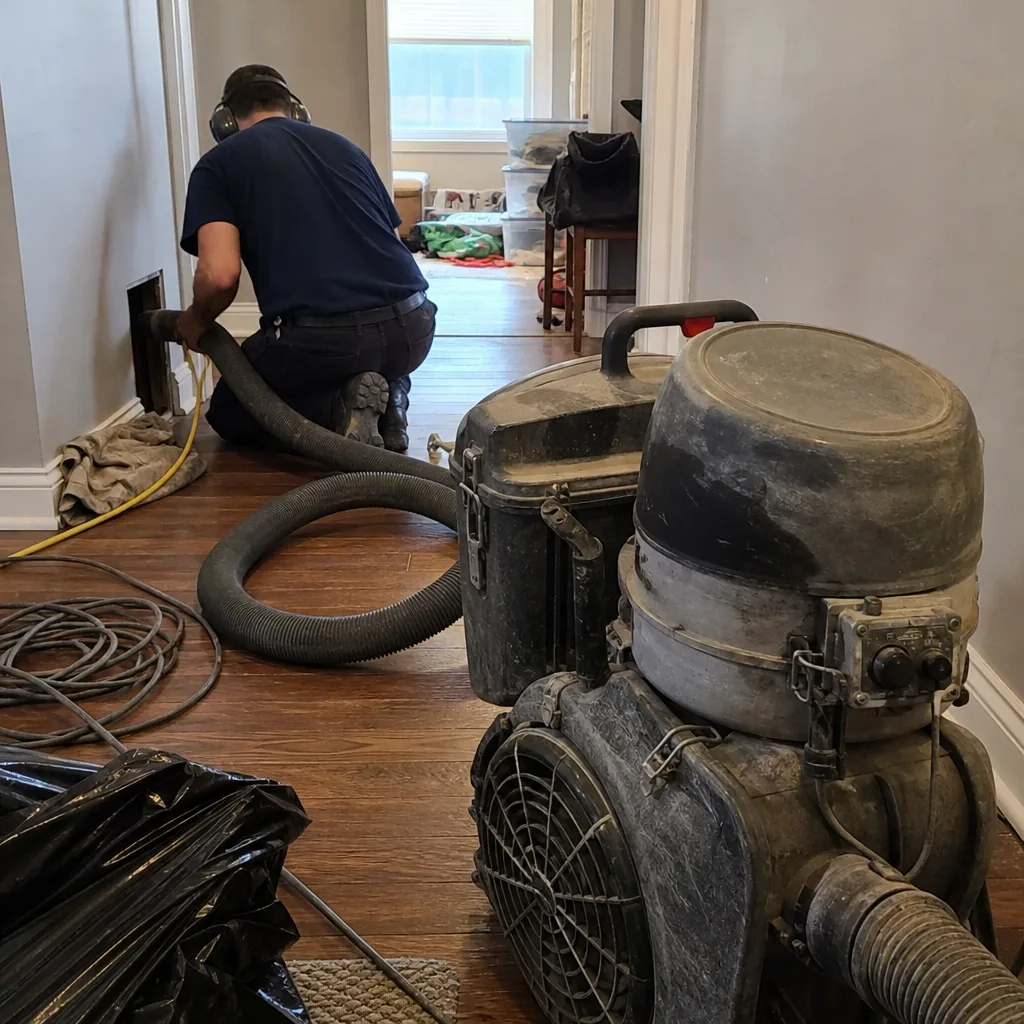 Before
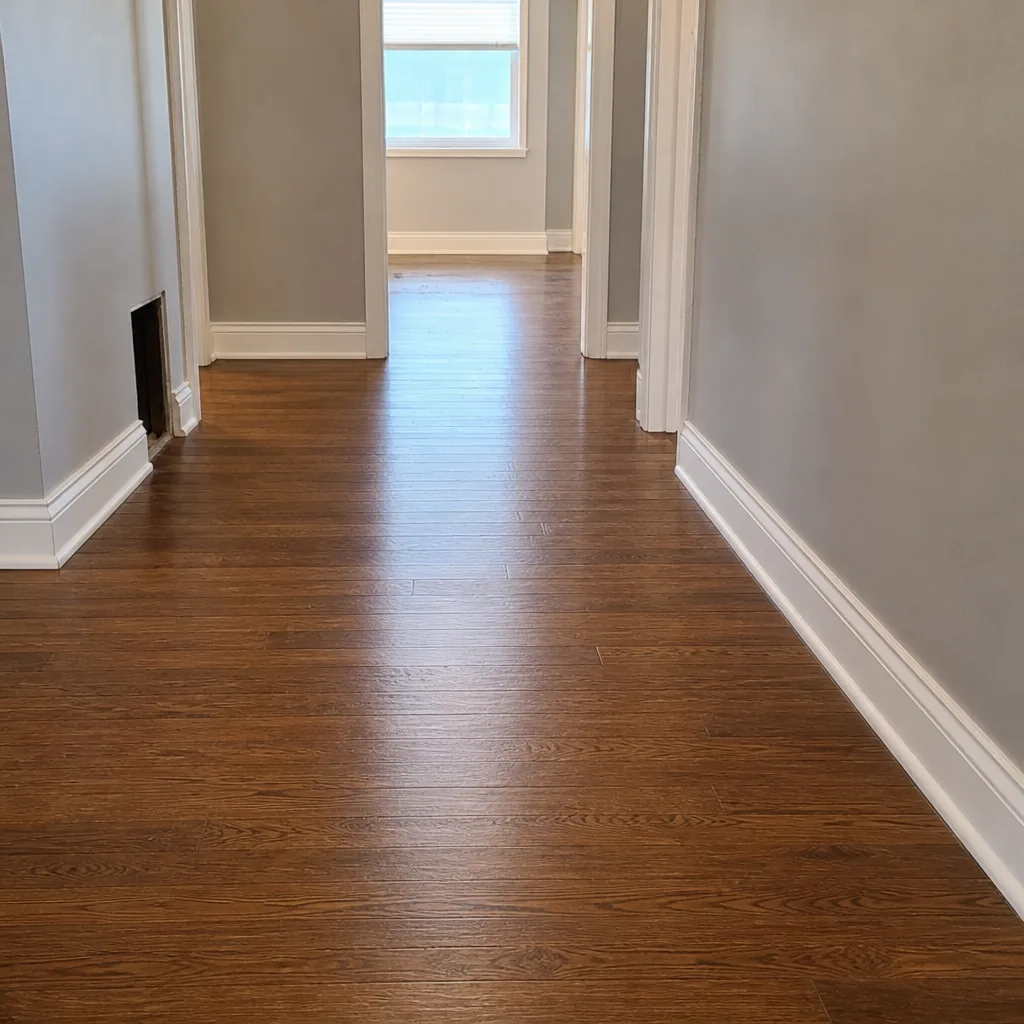 After
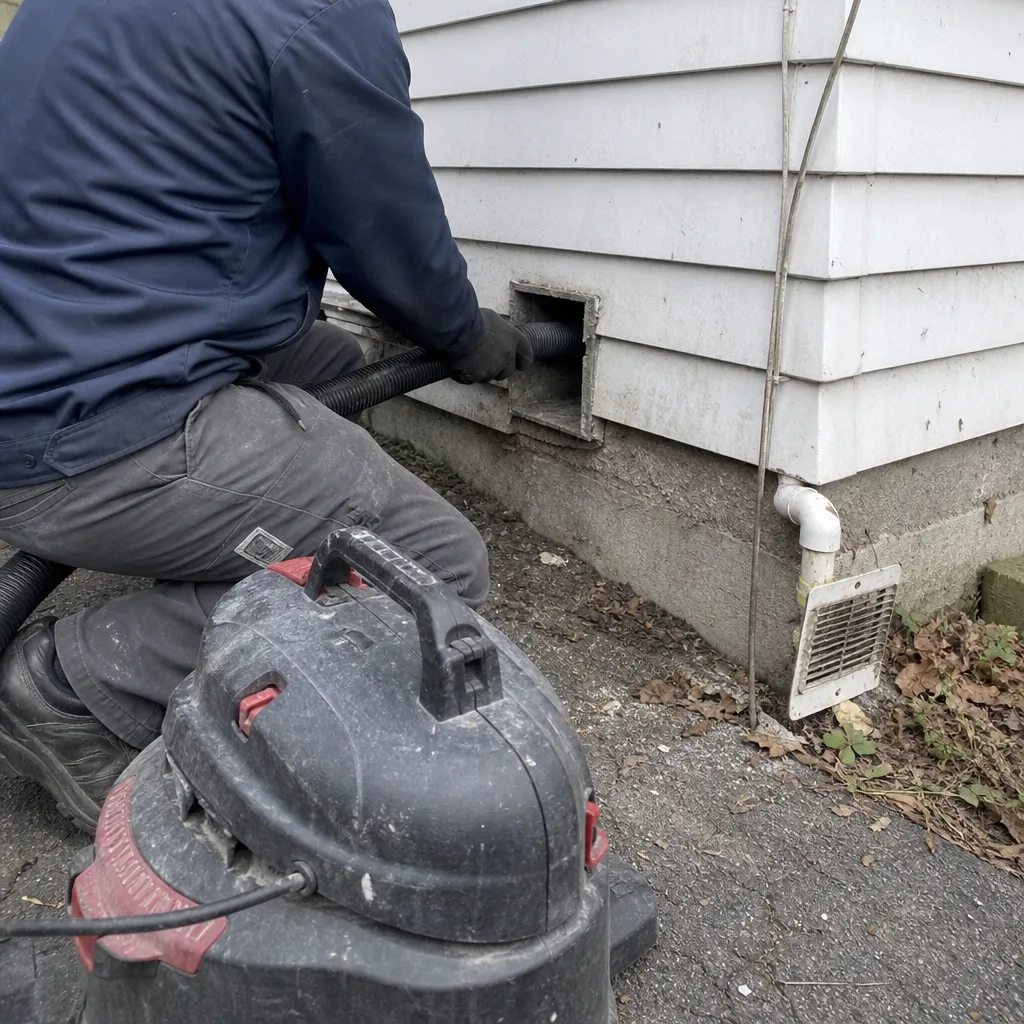 Before
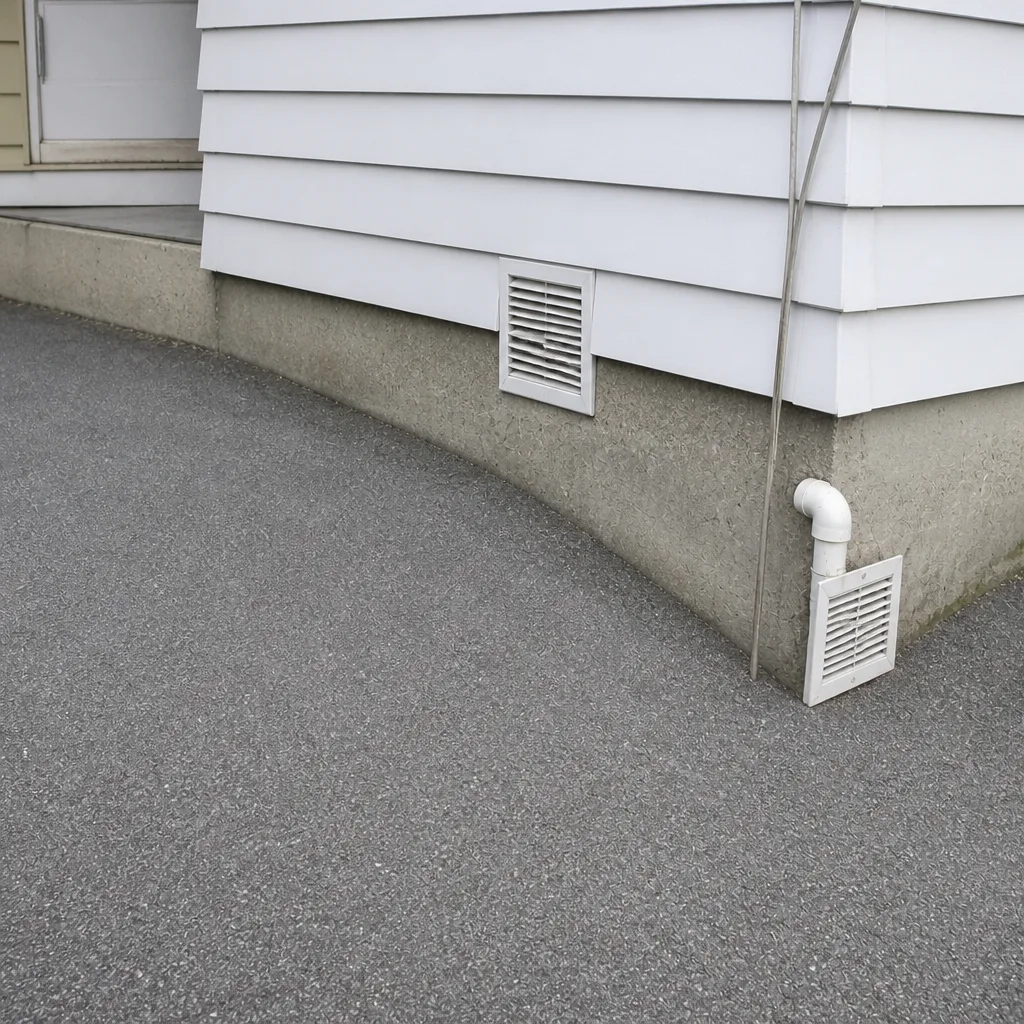 After
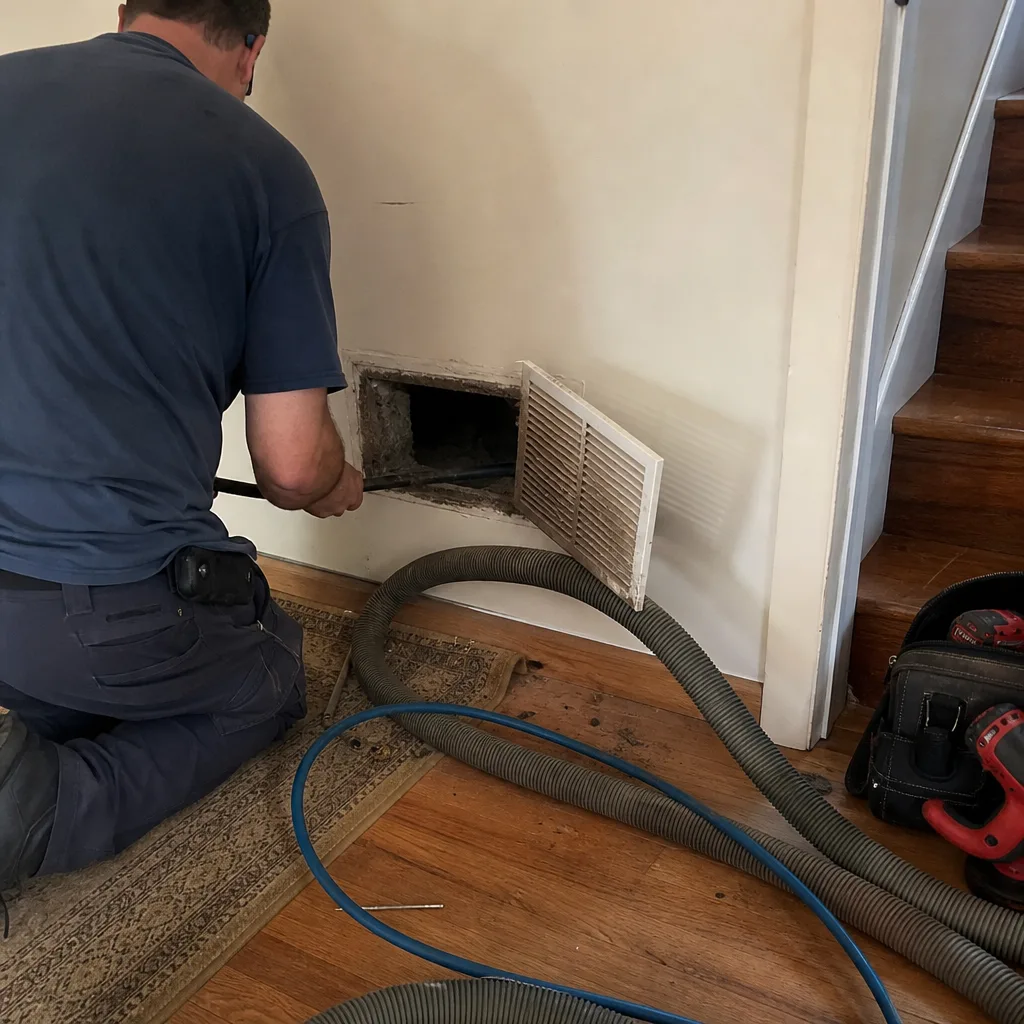 Before
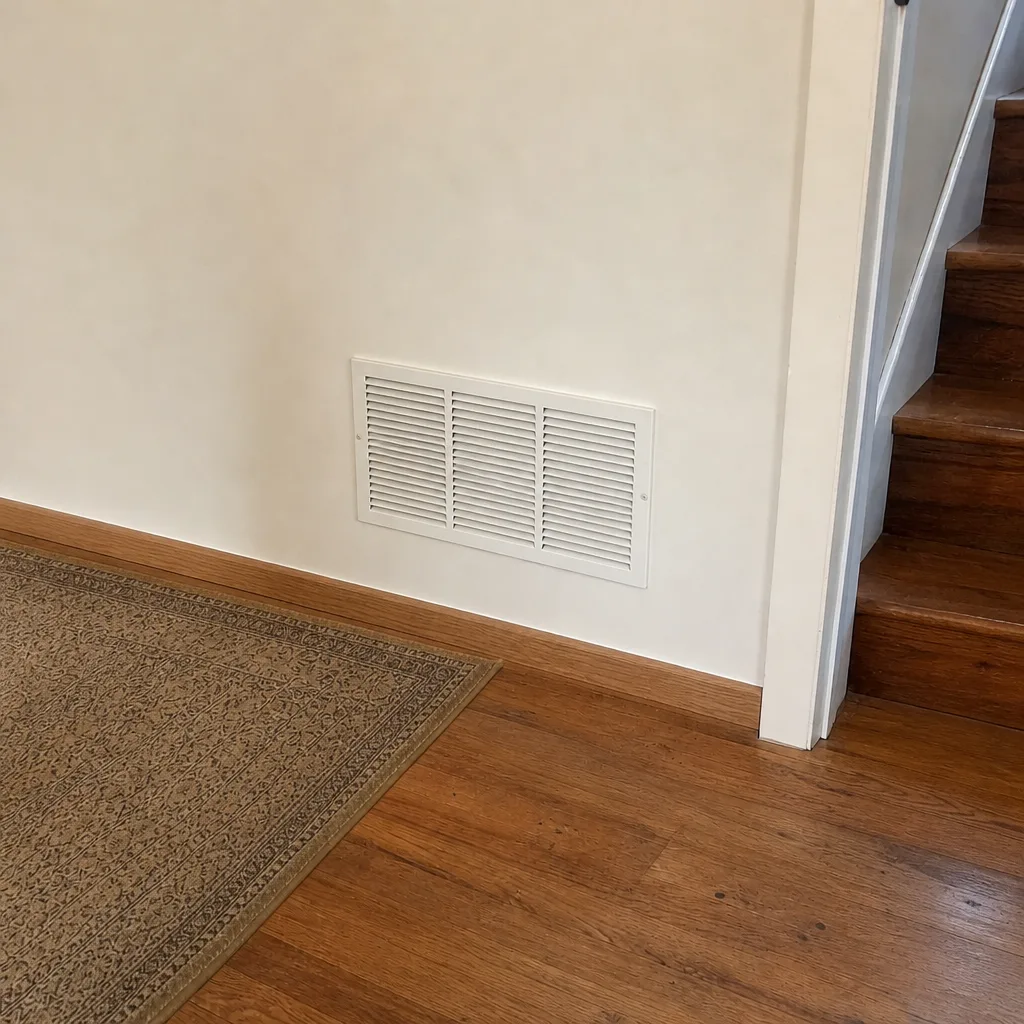 After
Common Mistakes to Avoid
- Booking based on a coupon price alone. A low headline price often signals a per-vent structure where the “cleaning” stops after the base scope, and the additional cost shows up once the technician is in the house. In Tottenville, ask for a whole-system quote before the visit.
- Assuming “duct cleaning” is one method. Blow-and-go and source removal both get marketed as duct cleaning. The difference is whether the material actually leaves the system. Ask the contractor to describe the method in two sentences before booking.
- Skipping the air handler. A duct cleaning that stops at the ducts and doesn’t look at the blower wheel and coil is incomplete. Contamination in the air handler recirculates with every cooling cycle.
- Not verifying with photos. Homeowners who don’t ask for before-and-after photos until after the crew leaves end up with no way to confirm what was done. Ask before the technician packs up.
- Ignoring boot gaps and duct leaks. A humid coastal climate makes duct leaks a moisture problem, not just an efficiency issue. Sealing the leaks after the cleaning is often as valuable as the cleaning itself.
- Skipping the dryer vent. In a home with older construction, a long dryer vent run with multiple elbows is a real fire risk. It’s a separate job from the duct cleaning and it belongs on the annual maintenance list.
- Letting a single-register vacuum pass as “the cleaning.” One hose hooked up to one register cannot clean a multi-zone Tottenville home. The scope of the job should match the size of the system.
When to Call a Professional
Some things you can check yourself: visible dust on the registers, whether the filter is seated correctly, whether the dryer vent flap is opening when the dryer runs. But there are situations where professional equipment is the only thing that will do the job. Visible biological growth on any duct surface, dust blowing out of registers every time the system starts, a musty smell that returns within days of a basic cleaning, a system that hasn’t been serviced since before the previous owner moved in, or a dryer vent run longer than a couple of feet with more than one elbow – each of those is a signal to bring in a crew that has the right tools.
Air Duct Cleaning Tottenville offers free estimates in Tottenville – call (855) 658-4115. We answer 24/7. Fast dispatch from 7am to 7pm, Sunday through Friday.
Frequently Asked Questions
A typical whole-house cleaning in Tottenville runs on a whole-system basis rather than a per-vent count – the price is agreed in writing before any work starts, and it covers the full scope of the job, not a base visit plus add-ons. The final number depends on the number of zones, duct configuration, and any additional repair or sealing needed, and the written estimate sets the price. Call (855) 658-4115 for an exact quote – estimates are free.
Cheaper quotes usually reflect a smaller scope – a single pass with portable equipment, no negative air containment, no sanitizing, and per-vent or per-added-service pricing that gets totaled up once the technician is in the house. When a quote seems dramatically lower than others, ask two questions before booking: what equipment comes to the job, and what the total for a whole-system cleaning of your specific home will be. Call (855) 658-4115 for a written, whole-system estimate – estimates are free.
Ask for before-and-after photos of the same locations inside the return and at least two supply runs, take a look inside each register boot after the cleaning, and confirm with the technician what was removed and where it went. A crew that did the work will share photos readily, and a crew that didn’t will struggle to produce them. Call (855) 658-4115 to book a cleaning with photo verification included – estimates are free.
In Tottenville’s coastal humidity, most homes benefit from an inspection every few years rather than a fixed cleaning interval, and cleaning as needed based on what the inspection finds – the humid climate means surface conditions inside ducts progress differently than in drier parts of Staten Island, and homes with older duct systems or duct leaks tend to need attention sooner. Homes with pets, recent renovations, or a system with unresolved boot gaps fall at the more frequent end of the range. Call (855) 658-4115 to schedule an inspection and estimate – estimates are free.
The air handler should always be inspected, and cleaned if contamination is present, because it sits downstream of the return and upstream of the supply – leaving it dirty reintroduces everything the ducts were just cleared of. The blower wheel and evaporator coil are the two spots that most often need attention. Call (855) 658-4115 to include the air handler inspection in your estimate – estimates are free.
Removing accumulated dust, debris, and biological growth from the duct surfaces reduces the material available to become airborne every time the system runs, and that’s the mechanism by which a cleaning can help indoor air quality. How much it helps depends on what’s in the system to begin with and whether duct leaks and filter sizing are also addressed. A full-source-removal cleaning plus sealing is the version of the job most likely to show a meaningful difference. Call (855) 658-4115 to talk through your specific situation – estimates are free.
The Bottom Line
The core points worth carrying forward: Tottenville’s coastal humidity means duct contamination in this neighborhood behaves differently than in drier parts of Staten Island, so sanitizing and sealing matter more than a straight dusting-out would suggest. Source removal is not the same as blow-and-go, and the equipment on the truck tells you which one you’re getting. Older cape cods and colonials here need manual agitation, not just suction, because the duct runs and transitions resist a straight vacuum. Verify the work with photos and inspection before the crew leaves. And treat the dryer vent as a fire-prevention service, not an upsell. Our technicians have up to 11 years of experience, and we bring professional-grade equipment, one flat price per system, and before-and-after photos on every job.
Ready to know what’s actually inside your ducts? Call (855) 658-4115 for a free estimate. We answer 24/7. Fast dispatch from 7am to 7pm, Sunday through Friday.
Written by the team at Air Duct Cleaning Tottenville.