
Last updated November 24, 2026
 Whole-home duct cleaning
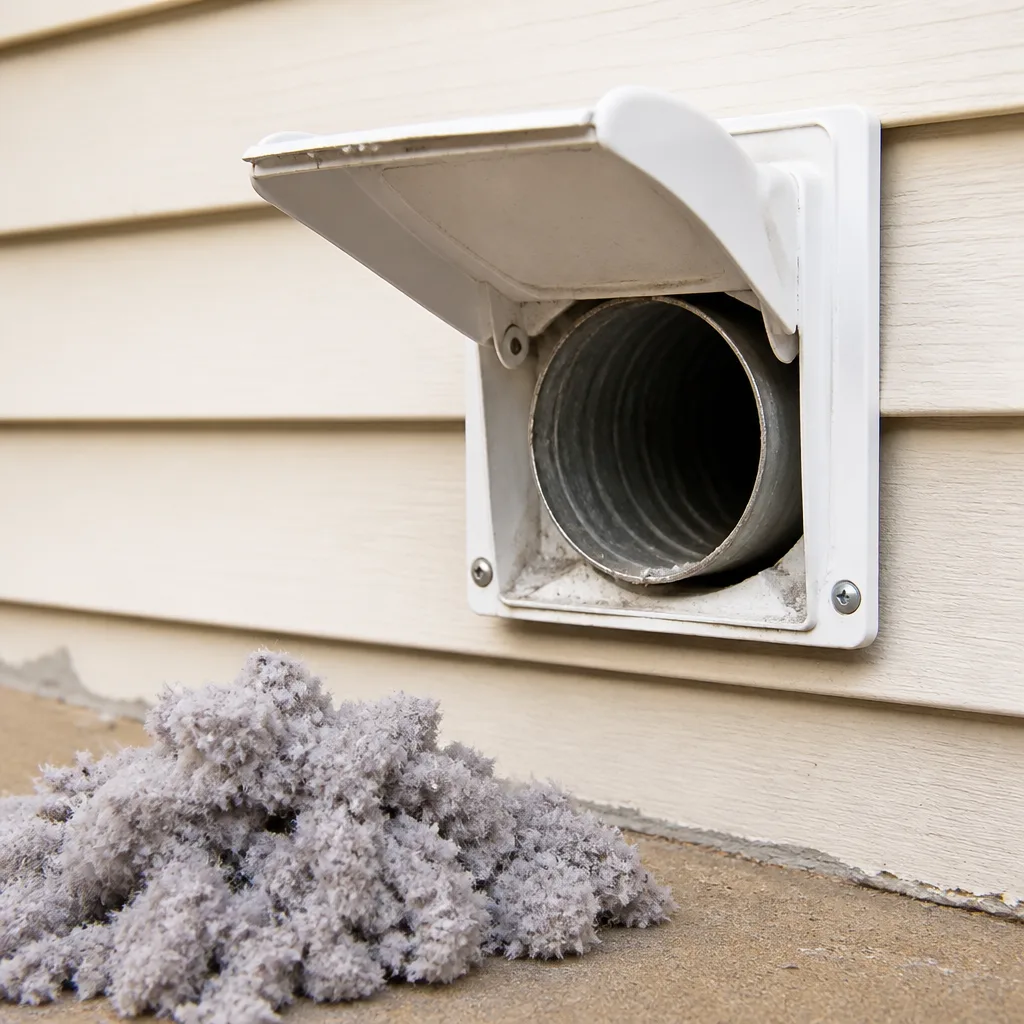 Dryer vent cleaning
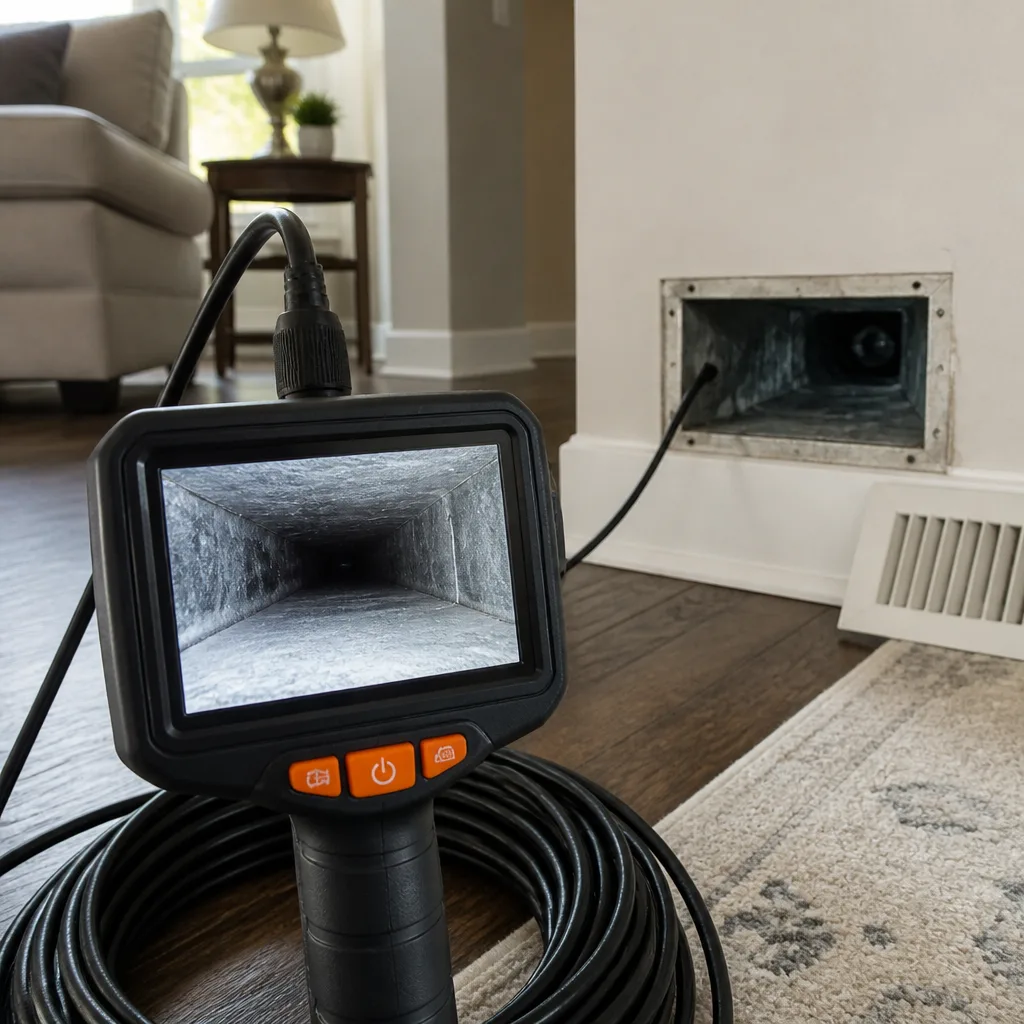 Camera inspection
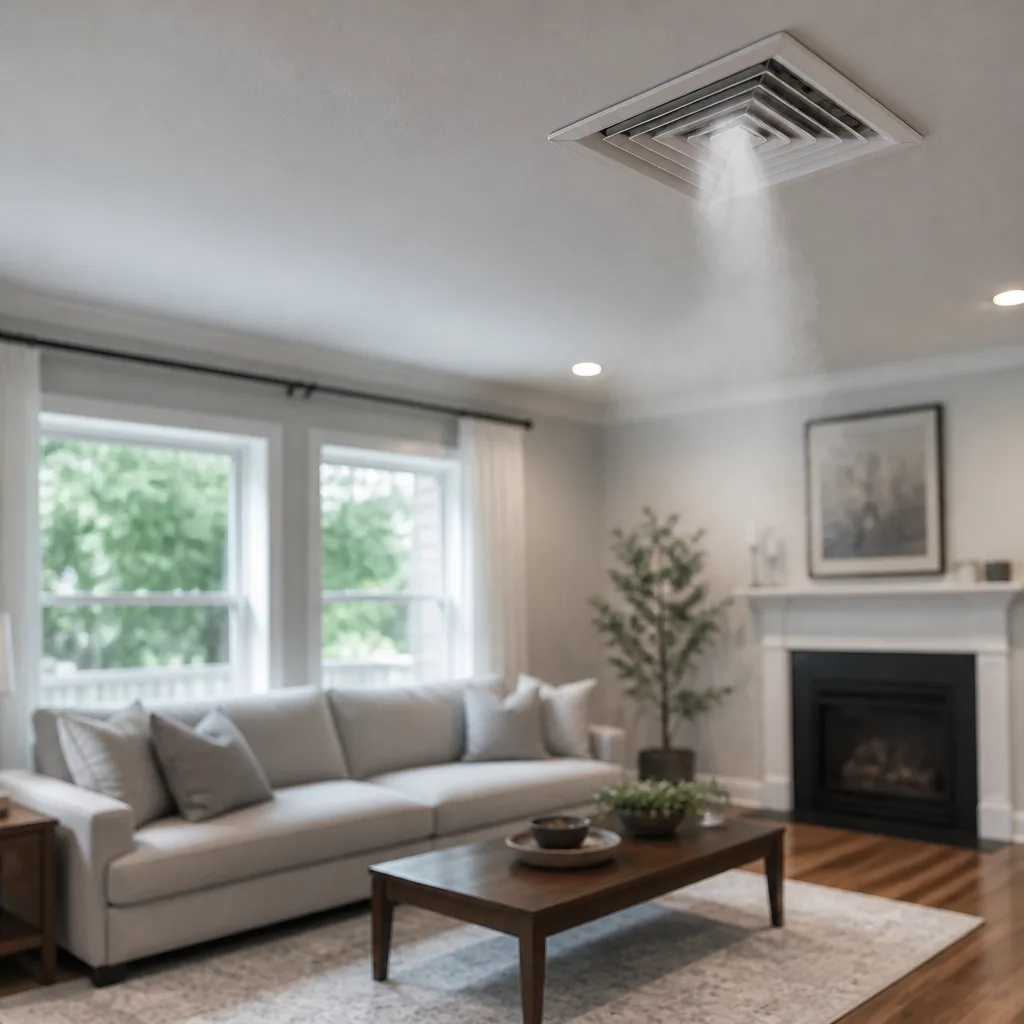 Sanitizing & deodorizing
Whole-system duct and dryer vent check with before-and-after photos - you see exactly what came out of your vents
That "$99 whole-house special" is a bait ad - the real number appears once they are in your hallway, or the "clean" is a shop-vac at the register. We photograph the inside of your ducts before and after instead.
Seasonal Air Duct Cleaning Care for Tottenville: Year-Round Homeowner’s Guide
Most duct cleaning advice you’ll find online repeats the same line: clean every three to five years and you’re fine. That’s a schedule built for a generic house in a generic climate. Tottenville doesn’t run on a generic climate. The neighborhood sits at the southern tip of Staten Island, where winters carry moisture differently, summer humidity climbs past 80% for long stretches, and the spring thaw moves slower than it does further inland. Those conditions put stress on a duct system in a specific order through the year. What follows is a season-by-season map of what your ducts collect in Tottenville, when each problem peaks, and how to judge whether a seasonal duct inspection is something you handle yourself or a job for a professional service call.
Quick Answer
In Tottenville, the highest-value duct cleaning window is late April through May, before cooling season starts, because winter moisture and settled debris are still sitting in the system and haven’t yet been pulled into the air you breathe all summer. A second important checkpoint is September through October, when the first heating cycle of fall pushes stored dust and odors through the house. Winter calls for tightening infiltration at register boots rather than relying only on filter changes, and summer humidity makes condensation inside ductwork a real concern worth inspecting.
Styles & brands we work with
- Whole-home duct cleaning
- Dryer vent cleaning
- Camera inspection
- Sanitizing & deodorizing
Table of Contents
- Why Tottenville’s Climate Doesn’t Follow the Standard Cleaning Schedule
- Pre-Cooling Season (April-May): The Highest-Priority Cleaning Window
- Summer Operations: Humidity, Condensation, and What It Does Inside Your Ducts
- Pre-Heating Season (September-October): The First Heat Cycle and What That Smell Means
- Winter: Why Reducing Infiltration Matters More Than Filter Changes
- DIY Inspection vs. Professional Service Call: How to Decide
- The Year-Round Fire Risk Most Homeowners Overlook
- Your Four-Season Tottenville Duct Checklist
Why Tottenville’s Climate Doesn’t Follow the Standard Cleaning Schedule
The generic “every three to five years” guidance assumes a fairly stable set of conditions: moderate humidity, a clean outdoor air supply, and a heating and cooling system that runs in predictable cycles. Tottenville breaks several of those assumptions at once. The neighborhood’s position at the southern end of Staten Island means its seasonal transitions are damp and drawn out, and its housing stock includes a high proportion of older homes whose duct systems were installed decades before modern filtration standards existed.
Here’s what that means in practice. A duct system in Tottenville faces four distinct stress periods each year, and each one leaves behind a different kind of contamination:
- Winter: Cold, damp outdoor air pushes against the building envelope, and heated indoor air carries fine dust and moisture toward the return side of the system. Ducts that sit in unconditioned spaces cool down and collect condensation on interior surfaces.
- Spring: The thaw arrives later than it does further inland, so ground moisture and high outdoor humidity linger into April and May. Debris that settled over winter stays damp longer.
- Summer: Continuous air conditioning in a humid environment creates cold surfaces inside ductwork where moisture condenses. That’s a different problem than dry-climate dust accumulation.
- Fall: The first heating cycle reactivates everything the system collected over the cooling season and pushes it through the house as odor and visible dust.
That’s why a fixed calendar interval misses the point. What matters in Tottenville is when in the year the cleaning happens relative to the season that follows it. Cleaning in June, after the AC has already been running, means you spent the cooling season breathing what accumulated over winter. Cleaning in April means the system enters summer clean.
Our technicians have up to 11 years of experience, and the pattern is consistent across Tottenville homes: the systems that perform best through summer are the ones serviced before cooling season, not after. If you want the full picture of what a professional cleaning involves, our air duct cleaning page covers the equipment and the process step by step.
Pre-Cooling Season (April-May): The Highest-Priority Cleaning Window
If you only book one professional duct service this year in Tottenville, book it in April or May, before the AC takes over. This is the single most important timing decision in this guide, and it comes down to what winter leaves behind.
Through the heating months, warm air rises through the system and carries fine particulate with it. When that air hits cooler duct surfaces in unconditioned spaces, it drops some of its load. Add the moisture that Tottenville’s damp winters push into the envelope, and you get a light film of damp dust along duct walls, return plenums, and register boots. That film is largely harmless while the heat is running. Once cooling season starts and the system moves a much higher volume of air for hours at a time, that same film gets disturbed and recirculated.
Here’s what a pre-cooling inspection should cover, whether you’re doing a visual check or hiring a professional:
- Return air plenums. Remove the return grille and look at the plenum interior with a flashlight. A visible dust coating on the plenum walls, or debris resting on the bottom, means the return side is loading up. This is the most overlooked area in most Tottenville homes.
- Register boots. Pull a supply register and check the boot interior. Dust streaks radiating from the boot into the room indicate the system is pushing particulate out rather than holding it.
- The evaporator coil face. If you can see the coil, a matted or greyed surface means restricted airflow and reduced cooling efficiency heading into summer.
- Filter housing fit. A filter that doesn’t seat tightly lets unfiltered air bypass it entirely. Check the gasket and the frame.
- Accessible flex duct runs. Look for sagging, kinked, or disconnected sections. A disconnected run dumps conditioned air into a crawlspace or attic and pulls unconditioned air into the system.
April and May in Tottenville give you a window where the heat isn’t running hard and the AC hasn’t started yet. That’s when a technician can work through the system without fighting the equipment, and when cleaning has the longest possible payoff before the season that stresses the system most.
Summer Operations: Humidity, Condensation, and What It Does Inside Your Ducts
Tottenville summers regularly push humidity above 80%, and that changes the physics inside your ductwork. In a dry climate, dust stays dry and loose. In a humid one, it doesn’t. This is the difference most generic duct cleaning advice never addresses, and it’s the reason summer is a season to watch rather than a season to ignore.
When your air conditioner runs continuously through a humid summer, the supply ducts carry air that’s been cooled and dehumidified at the coil. Those ducts are cold. Any duct surface below the dew point of the surrounding air will collect condensation, and in Tottenville, ducts running through unconditioned attics, crawlspaces, or basements sit in air that’s often above 80% relative humidity. The result is a wet interior surface where dust doesn’t just settle, it sticks and can support biological growth.
What to watch for during summer:
- Musty odor when the AC runs. This is the clearest signal that something in the system is staying damp. It usually traces to the evaporator coil, the drain pan, or insulated duct liner.
- Water staining near registers. A register boot that shows staining or soft drywall around it is pulling humid air into a cool space, which means the boot isn’t sealed.
- Condensate drain issues. A partially clogged condensate drain keeps the pan wet, and a wet pan feeds the whole system with moisture.
- Reduced airflow room to room. In humid conditions, dust that’s stuck to duct walls can build up faster at fittings and elbows, and that shows up as weak airflow at the farthest registers.
Summer isn’t the wrong time to clean. It’s the wrong time to start thinking about it. If you notice a musty smell or a damp register boot in July, that’s a message from a problem that started in winter and had months to develop. A professional-grade extraction system matters here more than at any other time of year, because you’re not just removing dry dust, you’re removing material that’s been damp and adhered to duct surfaces. That takes more than a shop vacuum.
We use professional-grade equipment from Rotobrush and Nikro, and during every job we run Abatement Technologies air filtration to keep dislodged particulate contained in the work area instead of recirculating into the house. The same negative-air approach used in remediation work applies to duct cleaning, and in a humid Tottenville summer it’s the difference between a real clean and a dust cloud.
Pre-Heating Season (September-October): The First Heat Cycle and What That Smell Means
The first cold evening of fall, when the furnace or heat pump kicks on for the first time in months, is the most common moment Tottenville homeowners notice an odor coming from their vents. That smell is telling you something specific, and it’s worth understanding before you dismiss it as normal.
Two things happen at once. First, dust that settled on the heat exchanger and in the supply ducts during the cooling season burns off, and that produces the characteristic “first heat” smell. Second, and more importantly, the entire duct system gets a fresh push of air after months of low activity. Everything that accumulated over the cooling months, including the damp material that built up in humid summer conditions, gets distributed through the house at the start of heating season.
What different smells indicate:
- A light, dry, dusty smell that fades within an hour or two. Usually normal heat-exchanger dust burn-off. Not a duct cleaning trigger on its own, but a good prompt to check the filter.
- A musty or earthy smell that persists. Points to damp material in the system, often insulated duct liner or a coil that never dried out.
- A smell that returns every time the system cycles. Points to contamination that’s still resident in the ducts, not a one-time burn-off.
- A sharp or oily smell. Stop and call a technician. That’s a mechanical or combustion concern, not a duct cleaning concern.
September and October are the right months to address a persistent smell, before the heating system runs continuously. Cleaning, and where appropriate sanitizing with Guardsman-grade products, works best when it happens before the season that will move a high volume of air through the system. If the smell in your Tottenville home is consistent rather than a one-time event, that’s a strong signal to have the system inspected and cleaned before winter.
Winter: Why Reducing Infiltration Matters More Than Filter Changes
Most winter duct advice centers on filters, and in a humid, wind-driven climate like Tottenville’s, that’s focusing on the wrong end of the problem. A filter catches what passes through it. It does nothing about the unfiltered air that enters the system around register boots, disconnected joints, and gaps in the return plenum.
Winter in Tottenville means a significant pressure difference between indoor and outdoor air. That pressure difference pulls cold, damp outdoor air into the envelope, and anywhere your duct system has a gap, some of that air finds its way into the return side and bypasses the filter entirely. The visible symptoms show up as:
- Drafts at register edges that you can feel with a hand or a tissue.
- Dust patterns on floors and walls near registers.
- Uneven room temperatures, particularly in rooms farthest from the air handler.
- Higher heating runtime than the previous winter with no change in thermostat settings.
Sealing register boots and return plenum joints is a targeted fix that pays off all winter and helps the system maintain balanced pressure. It’s also the part of duct work most homeowners never think about, because it isn’t visible. We handle repair and sealing alongside cleaning, so the work isn’t split between two contractors. A system that leaks at the boots loses efficiency regardless of how clean the ducts are.
Filters still matter, of course. Use the correct MERV rating for your equipment, check the fit, and replace on a schedule matched to your home rather than a generic recommendation. If your system includes a Honeywell or Aprilaire filter or air cleaner, that rating matters more than most homeowners realize and it’s worth understanding what it’s actually capturing.
DIY Inspection vs. Professional Service Call: How to Decide
Not every seasonal check needs a professional. Some do. The useful line between the two is drawn by what you can actually observe, not by a calendar. Here’s a decision path that works for most Tottenville homes.
Handle it yourself if:
- You’re checking filter condition, fit, and replacement timing.
- You’re testing register airflow with a hand or a tissue.
- You’re looking at register boots and grilles for visible dust and cleaning the accessible surfaces.
- You’re confirming that the condensate drain is clear and the drain pan is dry.
Call a professional if:
- You see a visible dust coating inside the return plenum.
- There’s a persistent musty or earthy smell when the system runs.
- You find water staining, soft drywall, or damp insulation around a register.
- Airflow is noticeably uneven across rooms and hasn’t improved after a filter change.
- You can see disconnected, kinked, or sagging duct runs in an accessible space.
- The system hasn’t been cleaned since it was installed, and the home has older ductwork.
The reason this matters: a visual inspection can tell you whether a professional cleaning is warranted, but it can’t tell you the ducts are clean. The contamination that affects air quality most is on surfaces you can’t reach with a flashlight, and removing it takes equipment built for the job. Consumer rentals and shop vacuums don’t generate enough vacuum or agitation to pull adhered material off duct walls, and they tend to make the problem worse by throwing dust into the air. Professional-grade equipment, not consumer rentals, is the standard a seasonal check should be measured against.
The Year-Round Fire Risk Most Homeowners Overlook
Duct care in Tottenville isn’t only about the heating and cooling system. The dryer vent is a separate duct run, and it carries a genuine fire risk that most duct cleaning services treat as an afterthought. Lint is highly combustible, and it accumulates in the vent run every time the dryer operates. In a humid climate like Tottenville’s, the moist exhaust air also keeps the vent interior damp, which lets lint cling and build up faster than it would in a drier environment.
Signs your dryer vent needs attention:
- The dryer takes noticeably longer to dry a load than it used to.
- The outside vent flap doesn’t open fully, or you can’t feel strong airflow at the exterior termination.
- The top of the dryer or the laundry room feels unusually warm or humid during a cycle.
- Lint is visible around the lint trap housing or collecting behind the dryer.
- The vent run has multiple elbows or a long horizontal section, which traps lint more readily.
Dryer vent cleaning is a dedicated service, not something bundled in after you’ve already committed to duct cleaning. That’s a deliberate choice, because the two are different jobs with different equipment and different risk profiles. If it’s been a while since your vent run was cleaned, our dryer vent cleaning page explains the process and what the technician checks. It’s one of the simplest fire-prevention steps available to any homeowner.
Your Four-Season Tottenville Duct Checklist
Here’s the full year condensed into a checklist you can keep. This is the version that reflects Tottenville’s particular climate pattern, not the generic national schedule.
- April-May (pre-cooling). Visual inspection of return plenums and register boots. Filter check and replacement. Book professional cleaning if the system hasn’t been serviced and any of the decision criteria above apply. This is the highest-priority window of the year.
- June-August (summer operations). Watch for musty odor, water staining at registers, and uneven airflow. Confirm condensate drain is clear and drain pan is dry. Note any airflow change room to room. Do not wait until fall if a smell persists.
- September-October (pre-heating). Pay attention to the first heat cycle and whether any odor is one-time or recurring. Persistent or musty smells warrant a professional inspection and cleaning. Confirm filters are correct and seated.
- November-March (winter). Check register boots and plenum joints for drafts and gaps. Seal infiltration points. Replace filters on a schedule matched to your home. Dryer vent check if it’s been a while and the dryer is running longer than normal.
Beyond the seasonal cycle, there are a few year-round checks worth adding: confirm the air handler and coil assembly is clean, and consider the HVAC system as a whole. The coil is where air quality and efficiency meet. If you want to understand how system-level cleaning fits alongside the duct work, our HVAC cleaning page covers it. Any of our Air Duct Cleaning Tottenville services can be scheduled around these seasonal windows.
Common Mistakes to Avoid
- Cleaning only in the fall. Fall cleaning tackles what accumulated over the cooling season, but it misses the chance to keep that accumulation out of the summer air supply in the first place. The pre-cooling window in April and May matters more in Tottenville.
- Assuming a filter change covers it. Filters catch what passes through them. They don’t clean duct walls, plenums, or boots, and they don’t address unfiltered air entering through gaps. In a leaky Tottenville home, that’s a lot of air.
- Ignoring the return side. Most visual checks focus on supply registers. The return plenum is usually where the real accumulation is, and it’s the area most often skipped.
- Treating a musty smell as seasonal. A smell that returns every cycle is contamination, not burn-off. Waiting for it to “fade after the season” gives damp material months to develop.
- Hiring on price alone. Low-bid duct cleaning often uses shop vacuums and equipment that can’t pull adhered material, and some “cleaning” doesn’t go beyond the visible registers. Professional-grade equipment, not consumer rentals, is what the job actually requires.
- Skipping the dryer vent entirely. It’s a separate system with a real fire risk, and it’s easy to forget because it’s not part of the heating and cooling conversation. Treat it as its own annual item.
- Cleaning a leaking system. If register boots and joints aren’t sealed, a clean system will just recontaminate through the same gaps. Repair and sealing should be part of the plan, not a follow-up later.
See the difference
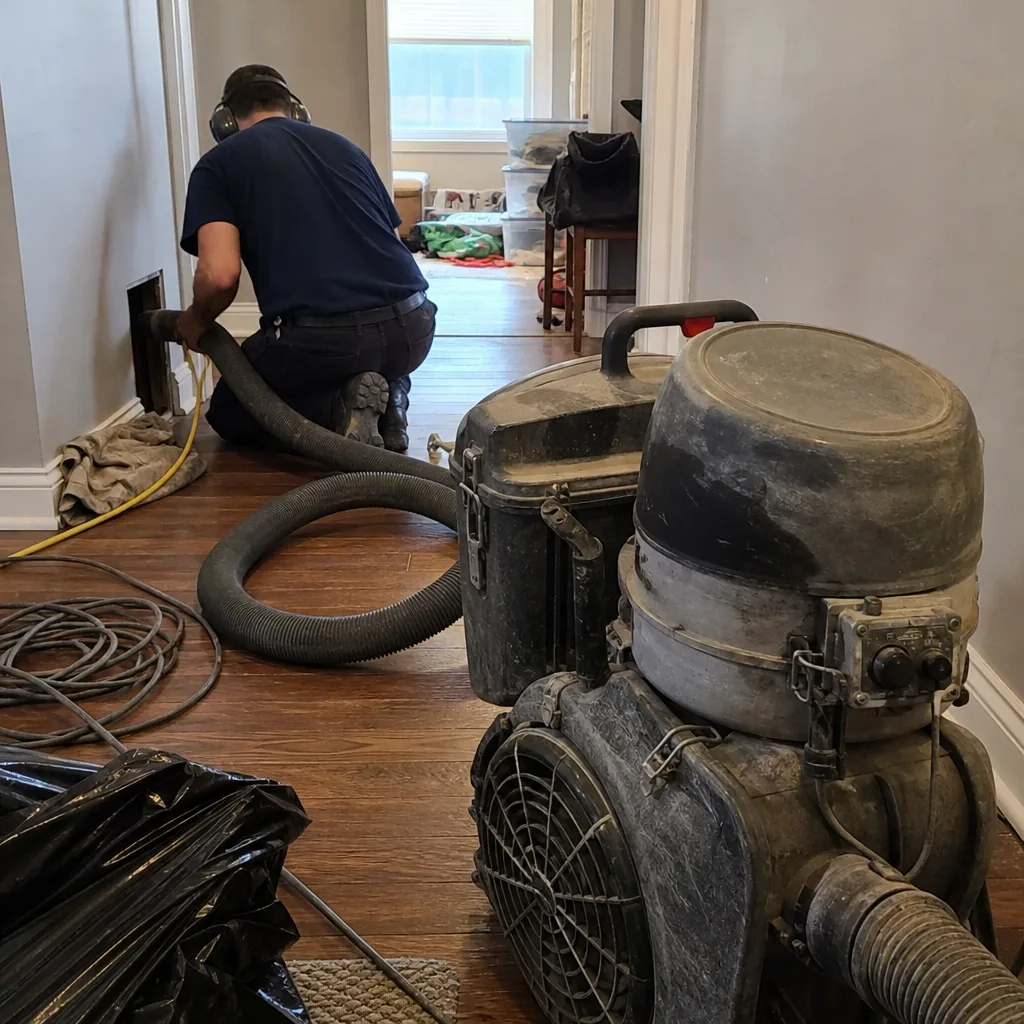 Before
 After
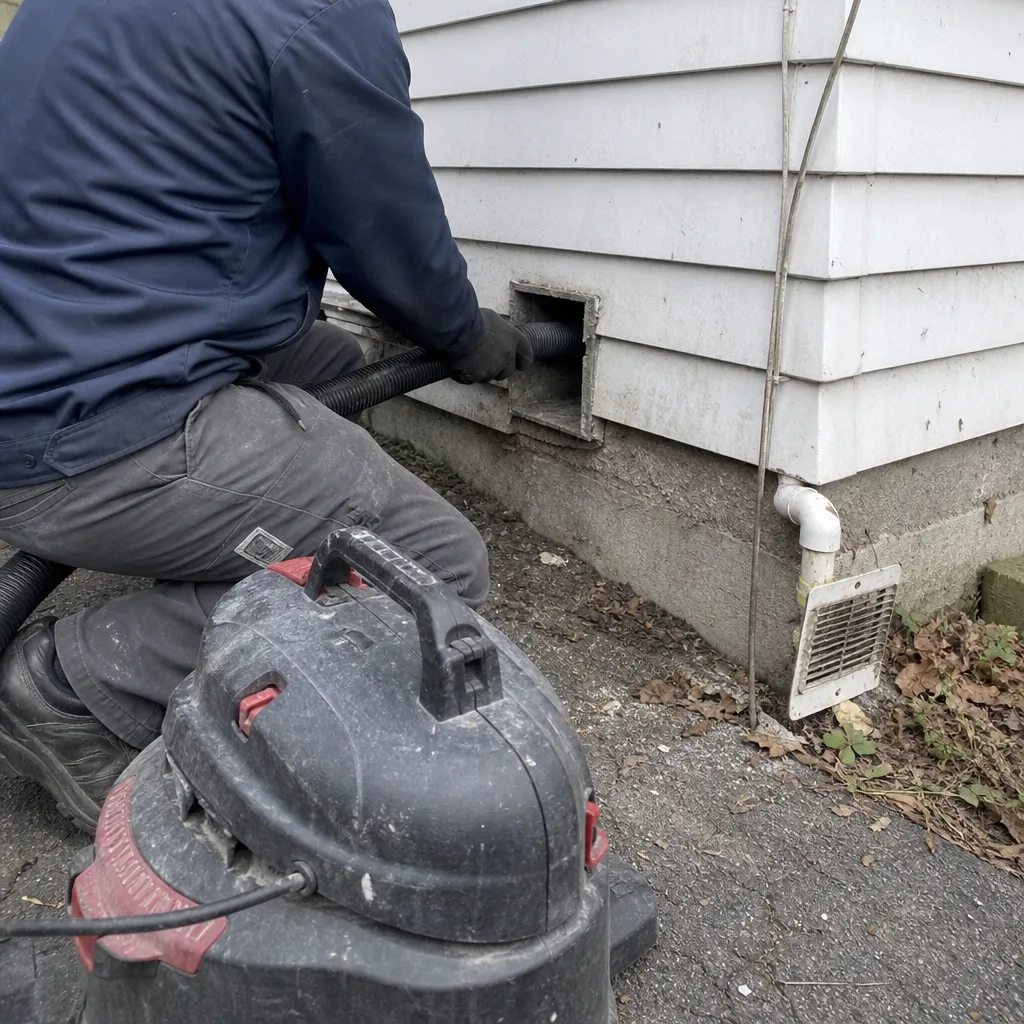 Before
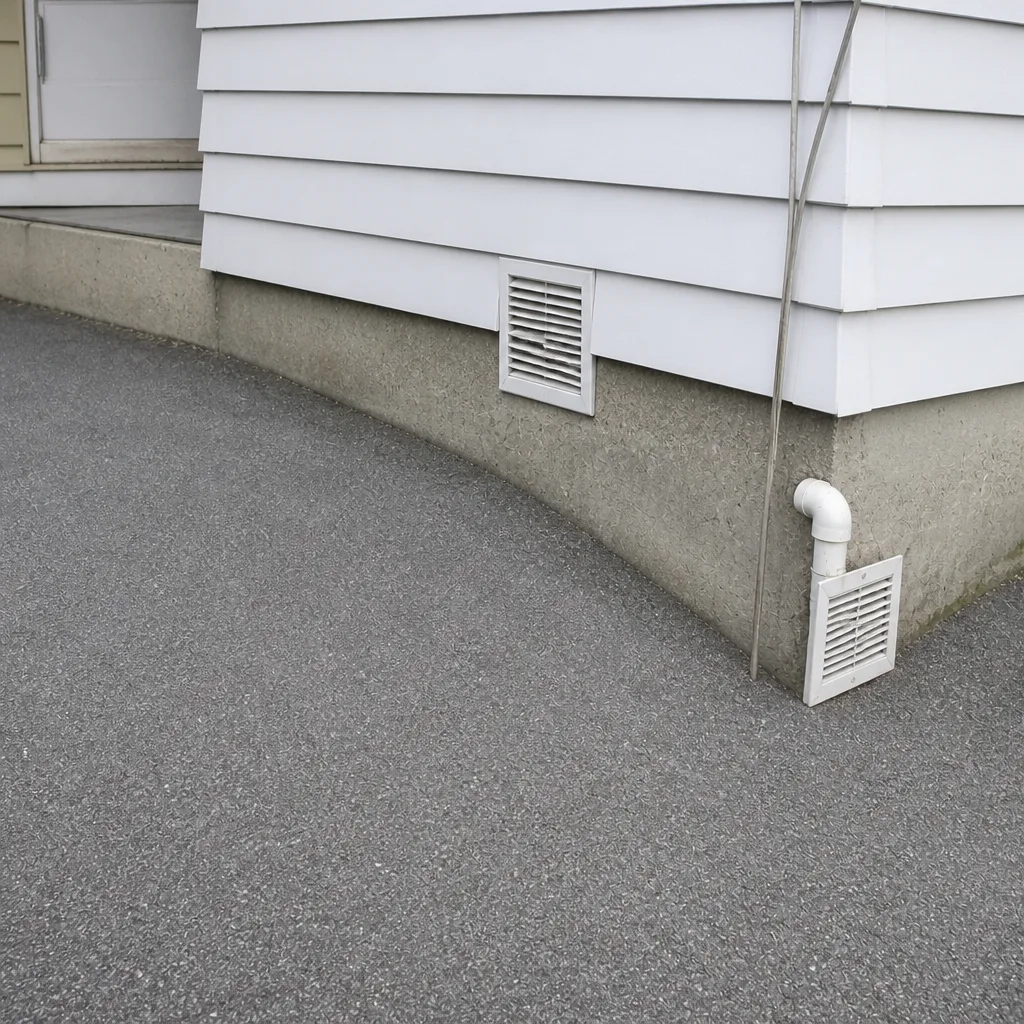 After
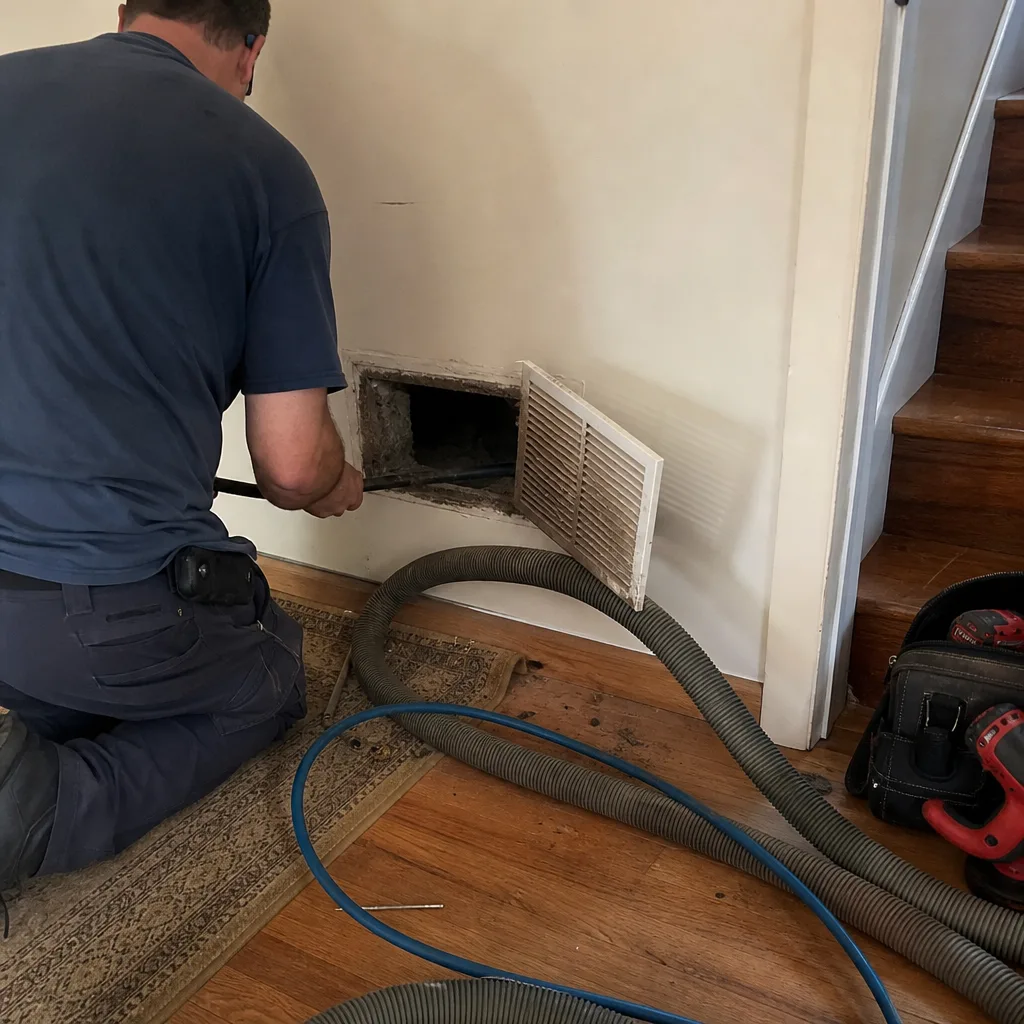 Before
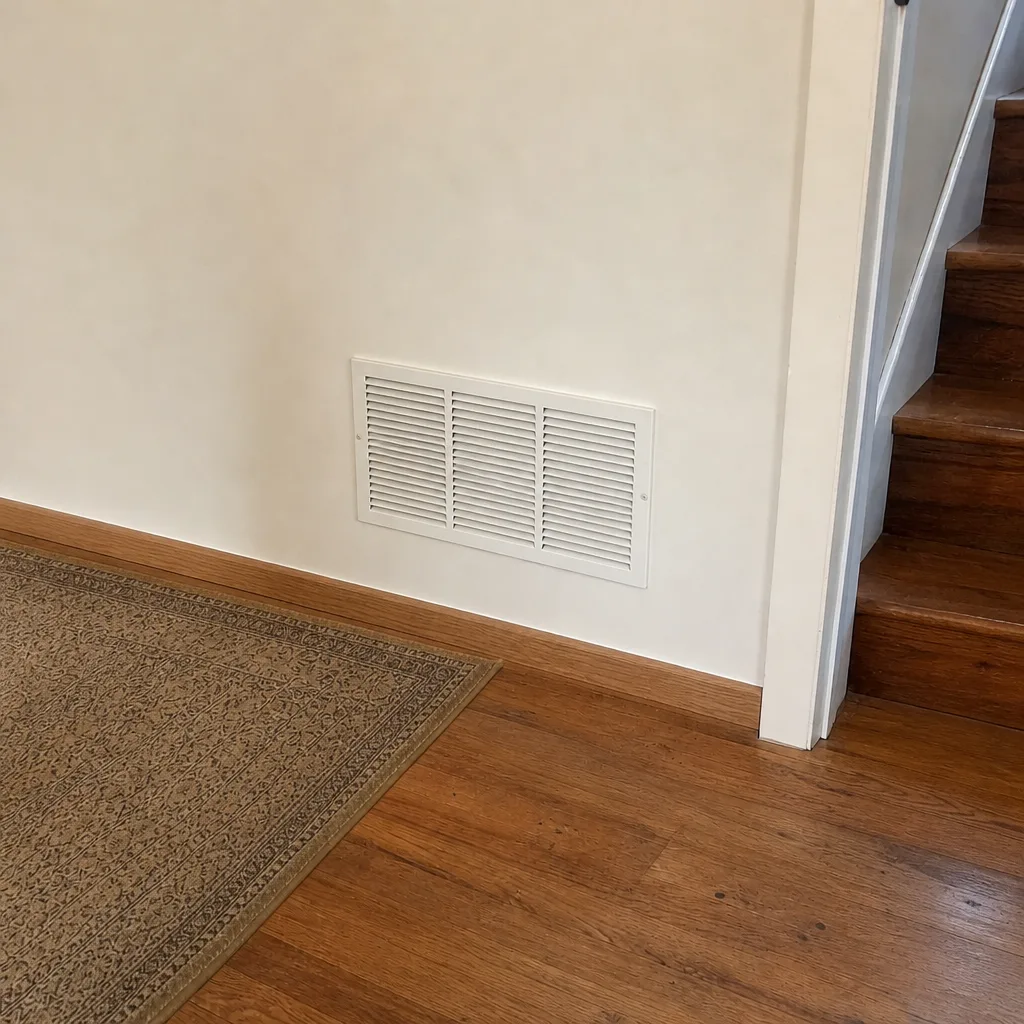 After
When to Call a Professional
Call a professional when what you can see and smell tells you the system has a problem you can’t reach. A visible dust coating inside the return plenum, a musty odor that returns with every cycle, water staining at a register boot, or uneven airflow that didn’t respond to a filter change are all signs a professional inspection is warranted. So is a system that has never been cleaned in a home with older ductwork, or duct runs you can see sagging, kinked, or disconnected. If the smell is sharp or oily, stop running the system and call a technician, because that points to a mechanical issue rather than a duct cleaning one. Air Duct Cleaning Tottenville offers free estimates in Tottenville – call (855) 658-4115.
Frequently Asked Questions
In Tottenville, the more useful question is when in the year, not how many years between cleanings. Because of the humid summers and damp, drawn-out spring thaw, the pre-cooling window in April and May is the highest-value cleaning time, with a secondary check in September before heating season. If you notice recurring odors, visible plenum dust, or airflow problems, that signals a professional call regardless of when you last cleaned.
The first heat cycle of fall burns off dust that settled on the heat exchanger and in the supply ducts during cooling season, which is usually a light dusty smell that fades within a couple of hours. A musty or earthy smell that persists or returns every cycle is different: it usually points to damp material inside the system, which is common in Tottenville given summer humidity levels. Persistent smells warrant an inspection and cleaning before winter.
Neither, in the sense that spring is better than both. April and May, before cooling season starts, give you the longest payoff because the system enters summer clean. Summer cleaning addresses a damp problem that has already developed, and winter cleaning happens when the heat is running continuously. If you can only choose between summer and winter, summer is the better of the two.
Summer humidity above 80% creates condensation points inside ductwork, especially in runs through unconditioned attics, crawlspaces, or basements. Cold supply ducts below the dew point of the surrounding air collect moisture on interior surfaces, which turns loose dust into adhered, damp material that can support biological growth. That’s why professional extraction and containment equipment matters more in Tottenville than in drier climates.
You can handle filter changes, register airflow checks, visible boot and grille cleaning, and confirming the condensate drain is clear. Call a professional if you see visible dust inside the return plenum, smell a persistent or musty odor, find water staining near a register, or notice airflow problems that didn’t improve after a filter change. A visual check tells you whether to call; it can’t confirm the ducts are clean.
We answer 24/7, and we dispatch technicians Sunday through Friday, 7am to 7pm. We’re closed Saturday. If you call outside those dispatch hours, we book you into the next opening. Call (855) 658-4115 for a free estimate, and we’ll walk through your system and the seasonal timing that fits it.
The Bottom Line
The generic “every three to five years” rule doesn’t fit Tottenville. What fits is a seasonal pattern: clean in April and May before cooling season, because that’s when the system enters summer without the winter’s accumulation inside it. Watch for musty odors and damp register boots through the humid summer months. Address persistent first-heat smells in September and October before the system runs continuously. Seal infiltration at register boots and plenum joints in winter, because filters alone don’t stop unfiltered air. And treat the dryer vent as its own annual fire-prevention item. Judge your home against what you can see and smell, not against a calendar, and call a professional when those signs point to something you can’t reach. Call (855) 658-4115 for a free estimate. We answer 24/7, with fast dispatch from 7am to 7pm, Sunday through Friday.
Written by the team at Air Duct Cleaning Tottenville.