
Last updated November 24, 2026
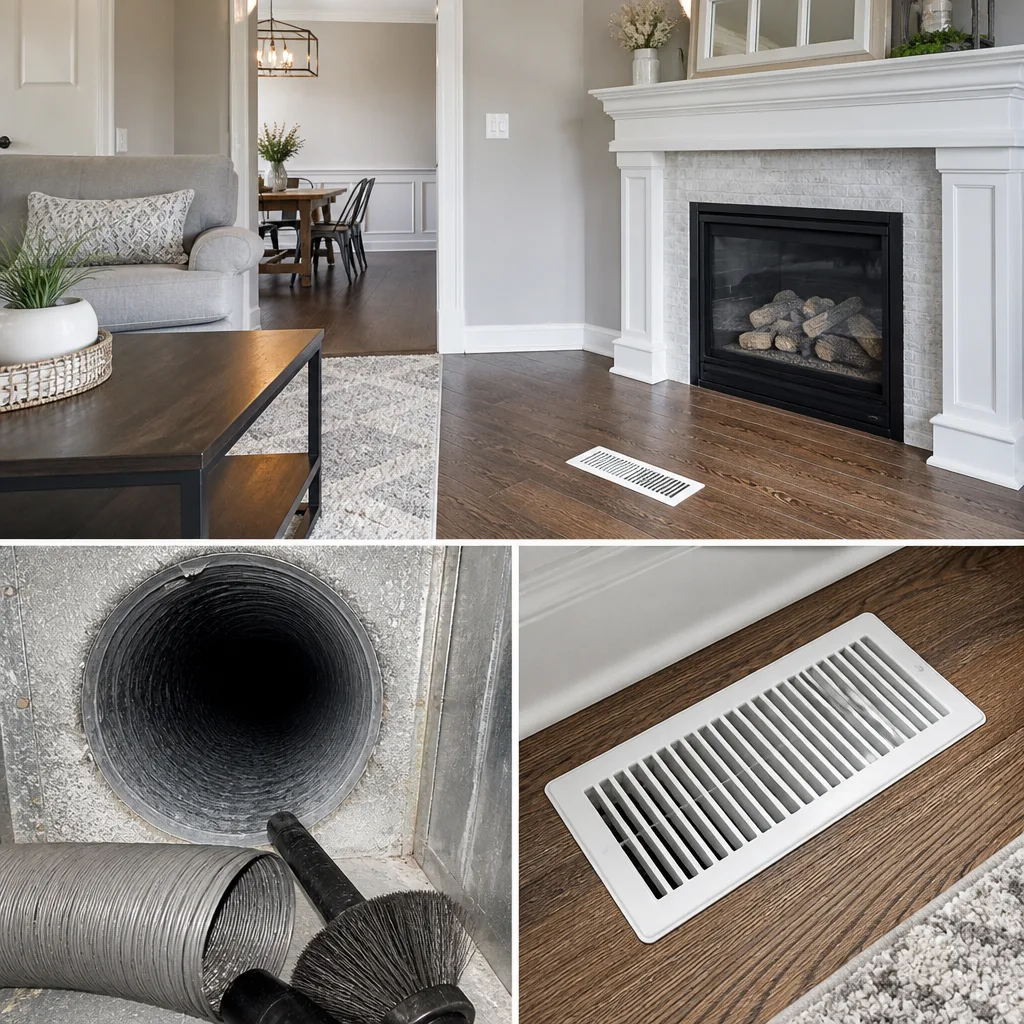 Whole-home duct cleaning
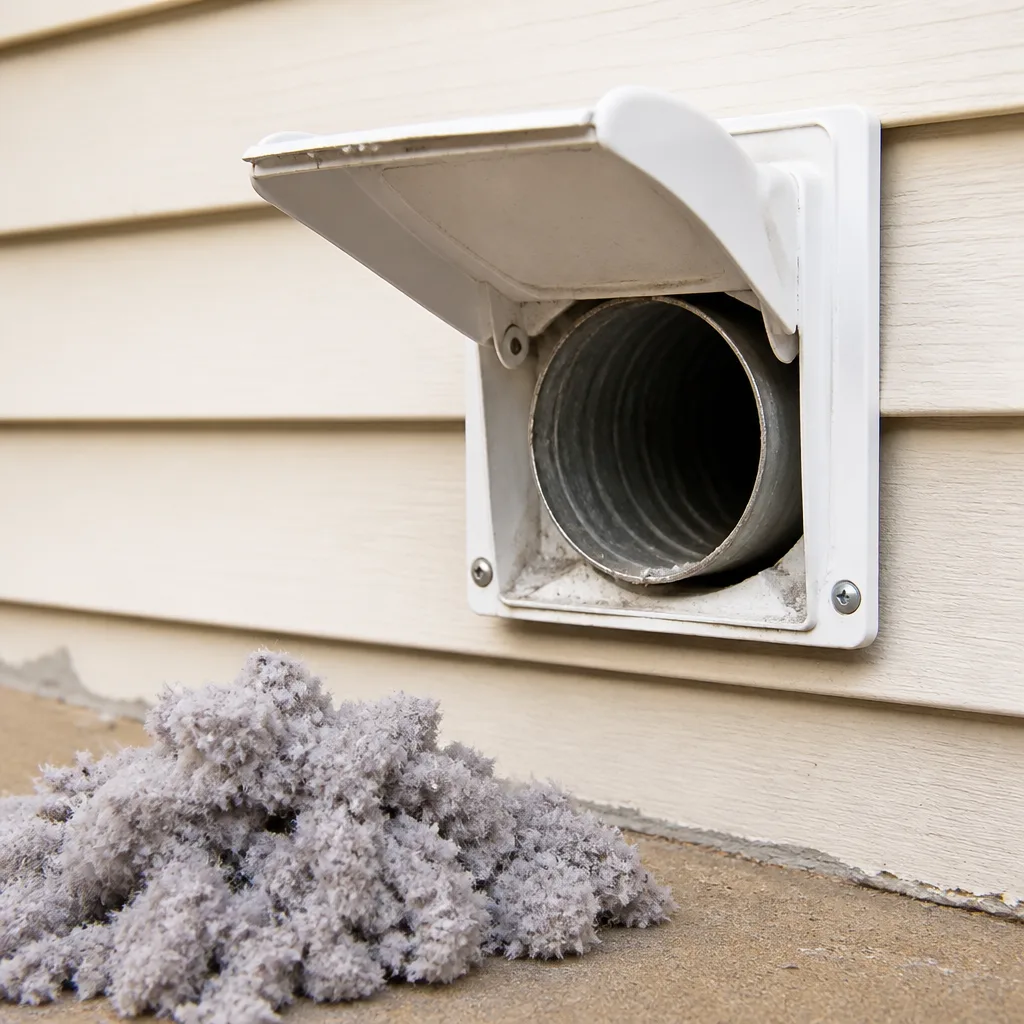 Dryer vent cleaning
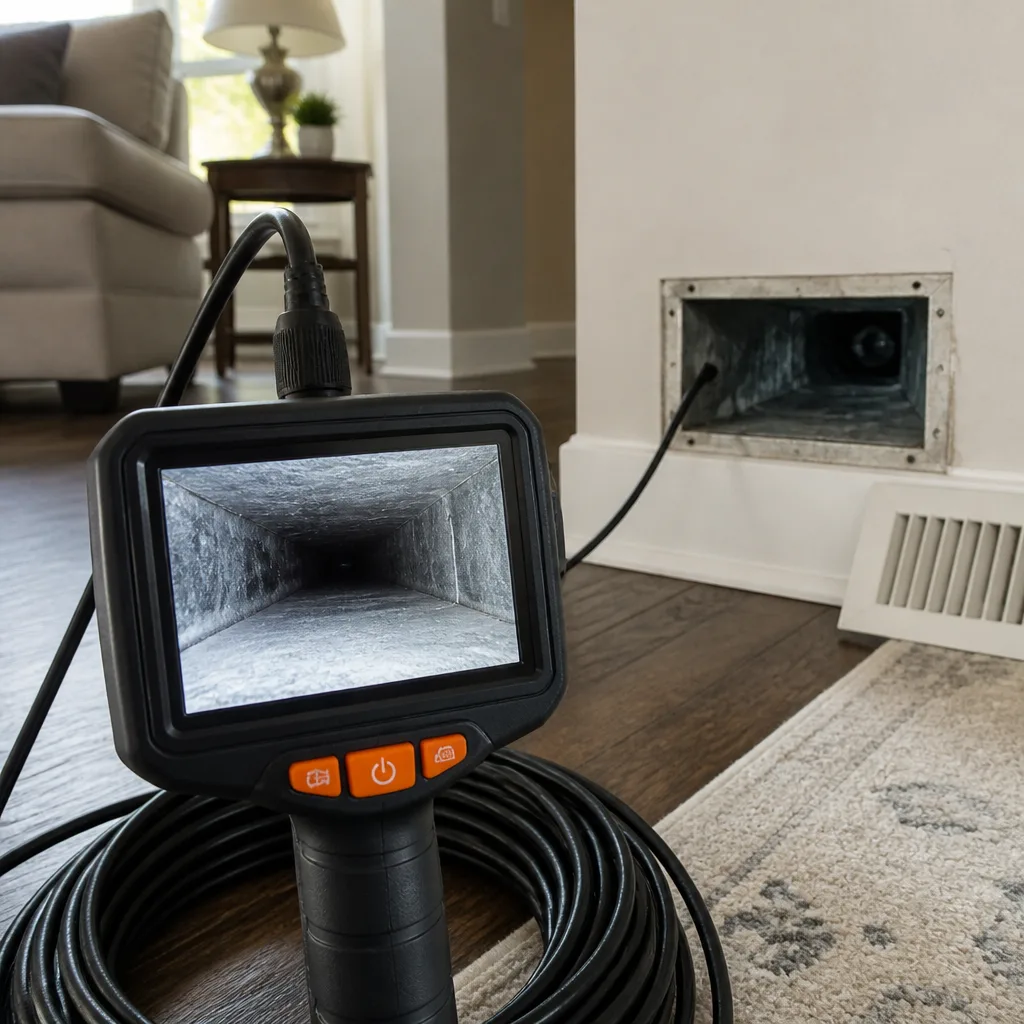 Camera inspection
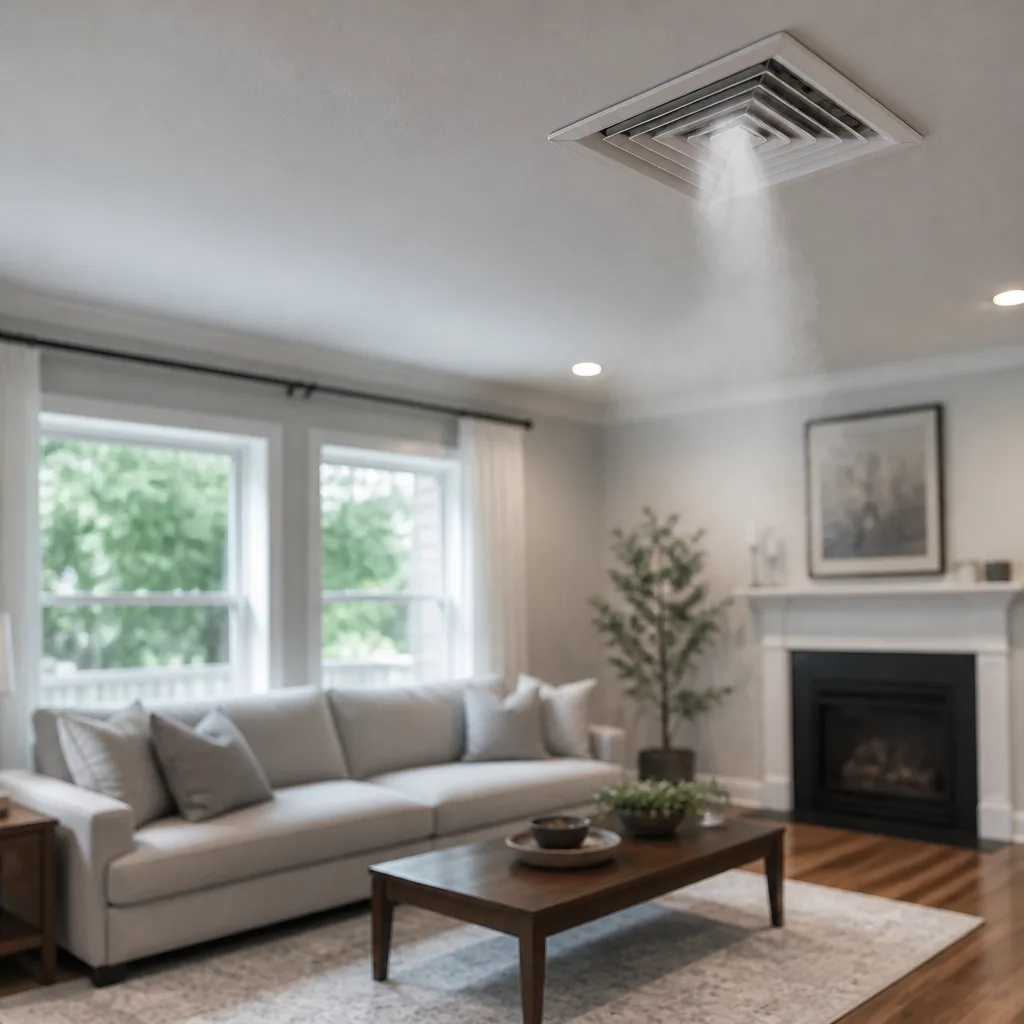 Sanitizing & deodorizing
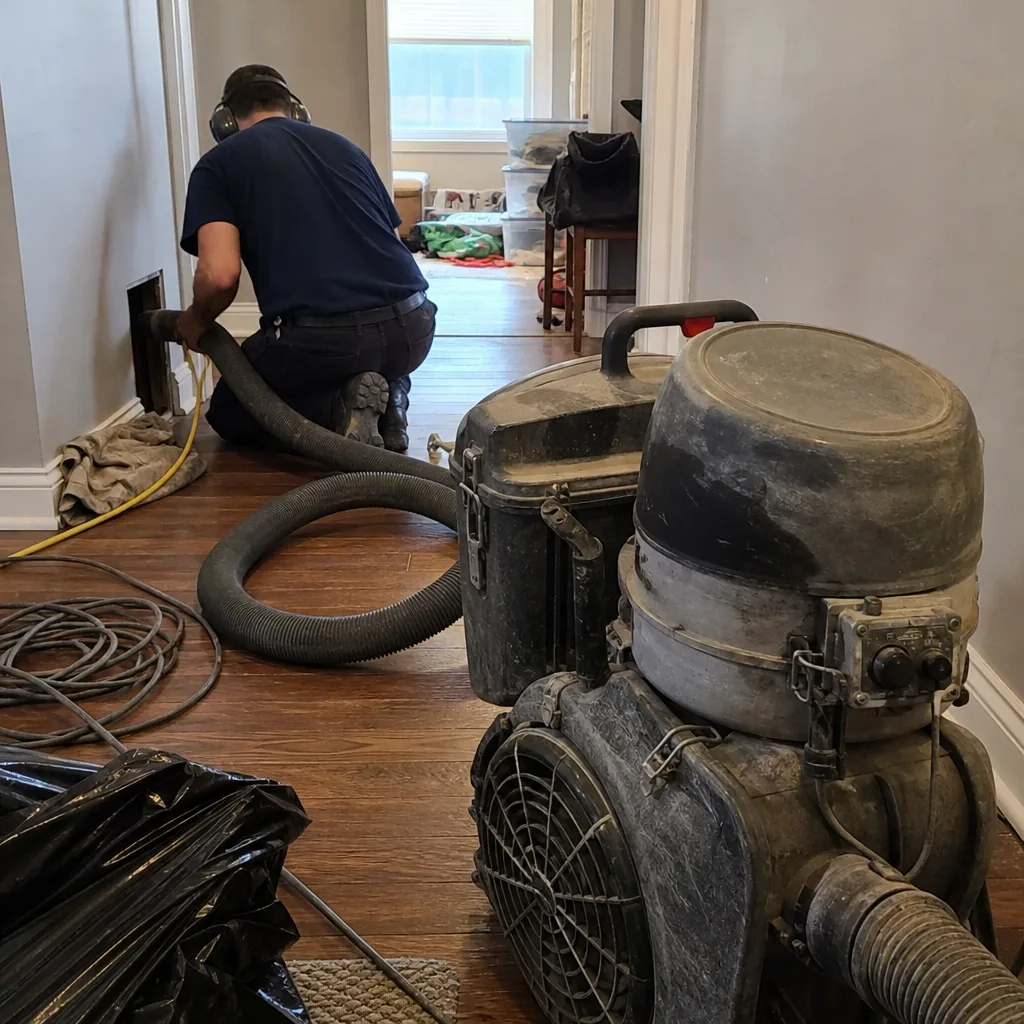
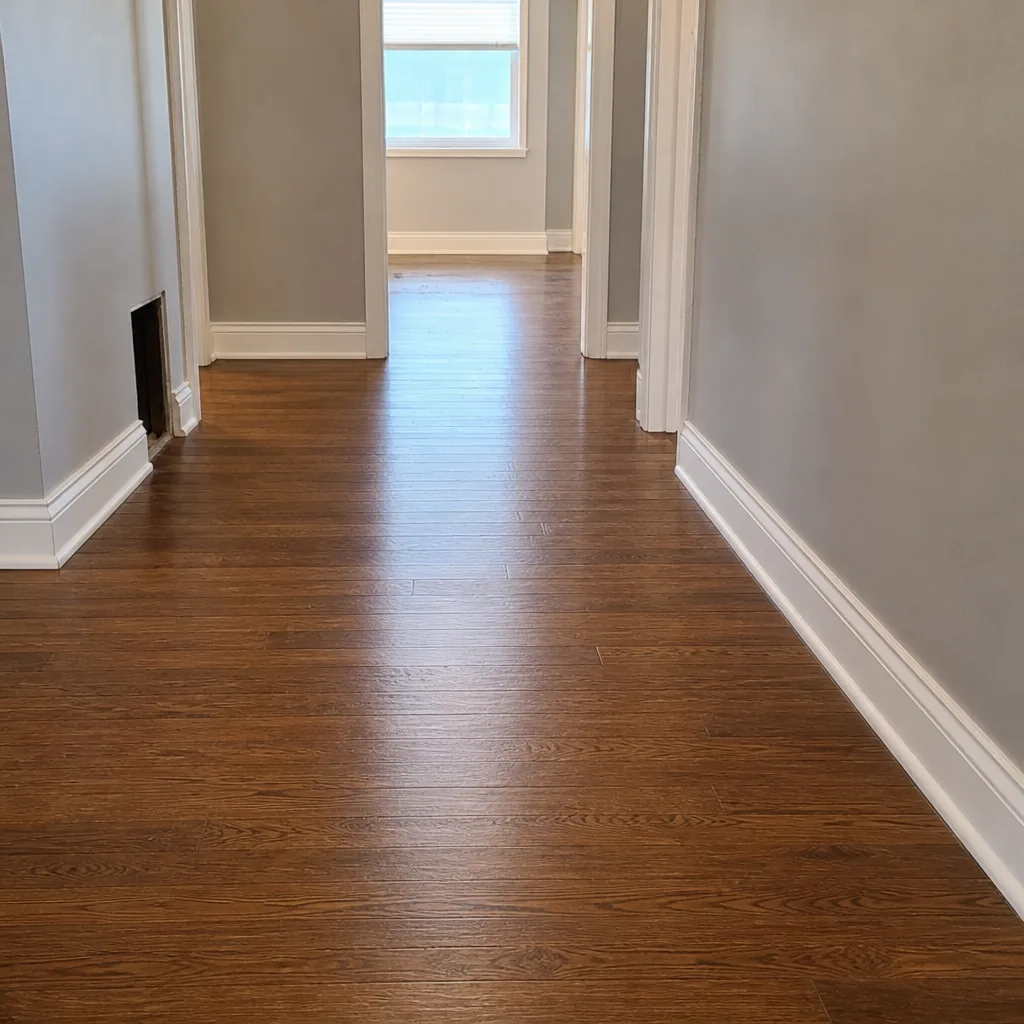
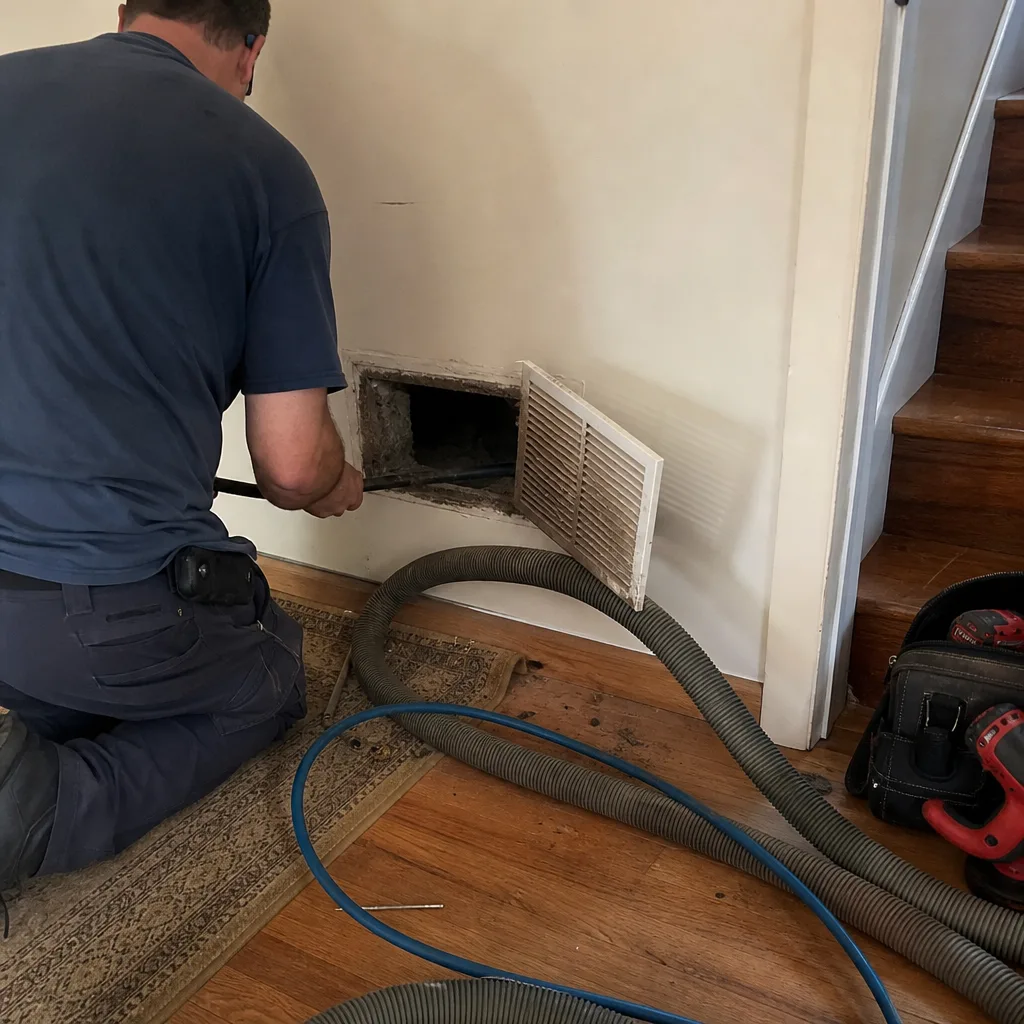
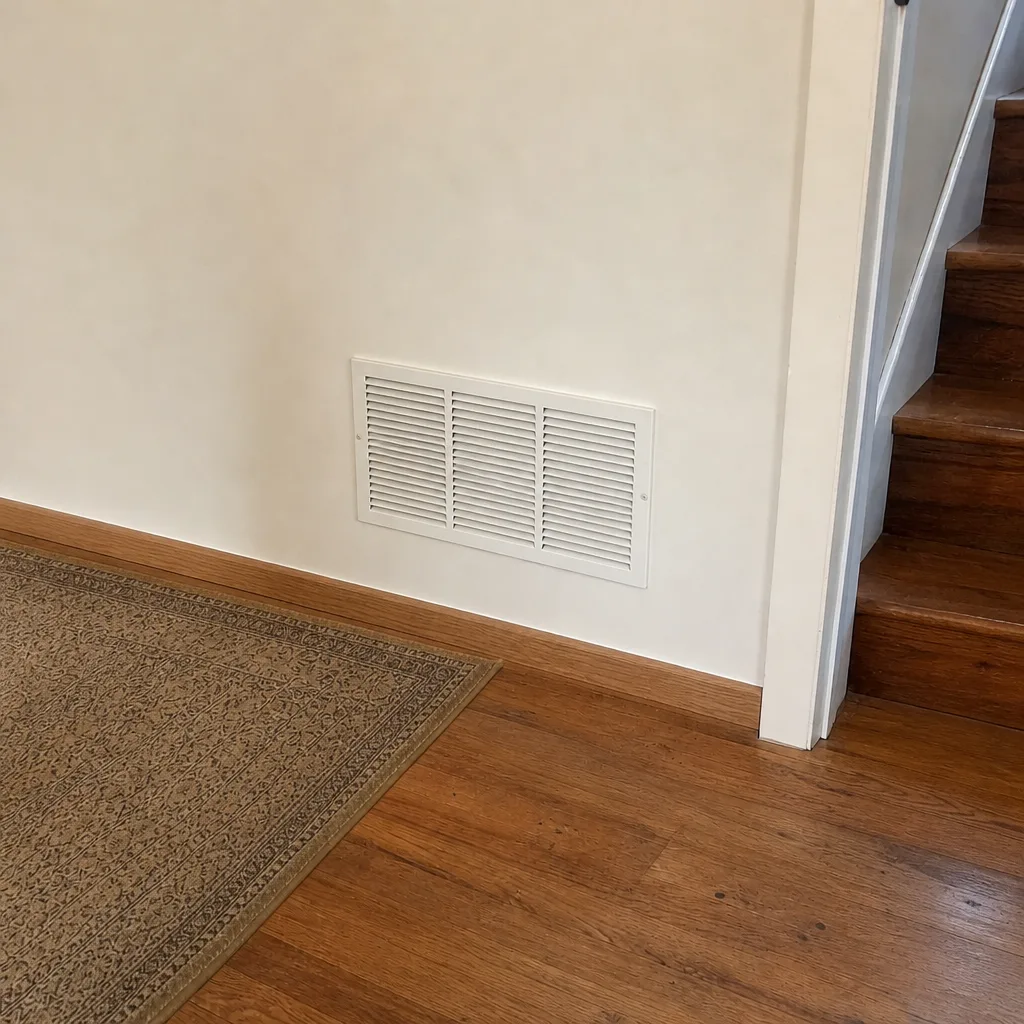
Whole-system duct and dryer vent check with before-and-after photos - you see exactly what came out of your vents
That "$99 whole-house special" is a bait ad - the real number appears once they are in your hallway, or the "clean" is a shop-vac at the register. We photograph the inside of your ducts before and after instead.
DIY vs Professional Air Duct Cleaning: The Tottenville Homeowner’s Decision Guide
Most homeowners who call us have already tried something. They’ve vacuumed a few registers, swapped a filter, maybe rented a machine from a hardware store, and then wondered why the musty smell came back three weeks later. Here’s the part that surprises people: the DIY vs professional question usually isn’t about effort or trust. It’s about whether the tools you can buy or rent can physically do what the job requires. A consumer shop vacuum and a professional negative-air machine are both “vacuums” in the way a garden hose and a fire engine are both “water.” In this guide we’ll walk through the physics behind that gap, show you what you can honestly do yourself in a Tottenville home, and give you a straight cost picture so you can decide for yourself.
Styles & brands we work with
- Whole-home duct cleaning
- Dryer vent cleaning
- Camera inspection
- Sanitizing & deodorizing
Quick Answer
For most Tottenville homes, DIY air duct cleaning can handle surface work – register grilles, accessible boots, filter swaps – but it cannot replicate professional cleaning because consumer vacuums move far too little air and have no way to contain what they disturb. Professional systems use high-volume negative pressure plus HEPA filtration to pull debris out of the whole system and trap it, while consumer equipment agitates dust and pushes some of it back into your living space. If your ducts are older, sealed, or showing visible debris, the honest answer is that professional cleaning isn’t a luxury; it’s the only method that actually removes the material instead of moving it around.
Table of Contents
- The Physics: Why Airflow Numbers Matter More Than Marketing
- What CFM, Static Pressure, and HEPA Actually Mean
- What You Can Legitimately Do Yourself
- When a DIY Attempt Makes the Professional Job Harder
- Is Your Tottenville Home a Good Candidate for Cleaning Now?
- The Honest Cost Comparison
- How to Verify the Work Was Actually Done
- Common Mistakes to Avoid
- When to Call a Professional
- Frequently Asked Questions
The Physics: Why Airflow Numbers Matter More Than Marketing
A typical consumer wet/dry shop vacuum pulls somewhere around 100 to 150 cubic feet per minute (CFM) of air. A professional truck-mounted negative air machine used for duct cleaning moves in the range of 2,000 to 4,000 CFM. That’s not a small upgrade – it’s twenty to thirty times the airflow. And airflow is what actually dislodges and carries particulate out of a long, narrow tube. Suction alone won’t do it.
Picture a 25-year-old galvanized duct run in a Tottenville colonial. The interior lining has accumulated a decade or two of dust, lint, pet hair, and construction debris from the last renovation. The particles aren’t sitting loose on the bottom; they’re packed into corners, adhered to the metal with a light film of cooking oil and moisture, and in flex sections they’re tangled into the corrugation itself. To pull that material free you need turbulent, high-velocity air running through the entire length of the duct while the far end is under negative pressure, so anything that breaks loose gets captured instead of drifting into the living room.
A shop vacuum attached to a single register can’t do this. It creates a small local pull at one spot, agitates the dust in that spot, and stops. The rest of the run is untouched. And whatever dust it does disturb often ends up airborne in the room because there’s no containment on the exhaust side.
Professional systems work in two directions at once. A large negative air machine pulls from one end of the system, while a pneumatic whip or rotary brush driven by a compressed-air line runs through the ducts from the other. The combination of high CFM and mechanical agitation is what actually cleans. That’s why air duct cleaning done properly is a two-ended operation, not a one-ended one.
If someone offers to clean your ducts with nothing more than a portable unit and an air hose, ask them what CFM their machine produces. A real technician will know the number. A bait-and-switch operator won’t, or will change the subject. In our experience the equipment is usually visible in the driveway, and the honest answer is usually on the truck.
What CFM, Static Pressure, and HEPA Actually Mean
These three terms get thrown around in sales pitches. Here’s what each one actually tells you about cleaning effectiveness, and how a homeowner can sanity-check a quote.
CFM – cubic feet per minute
CFM is how much air the machine moves. Higher CFM means the machine can maintain velocity through a longer, more complex duct run before losing its pull. For a two-story Tottenville home with a basement air handler and 15 or 20 supply runs, you need sustained high CFM at the far end of the longest branch, otherwise the master bedroom vent barely feels it.
Static pressure
Static pressure is the resistance the machine has to overcome. Long runs, tight elbows, flex duct, and closed dampers all raise the resistance. A machine rated at 4,000 CFM on an open bench might only deliver a fraction of that at the end of a 40-foot flex run with three elbows. Good professional equipment is designed to hold useful suction even against that resistance. Consumer gear usually isn’t rated for it at all.
HEPA and negative-air filtration
HEPA filtration catches particles at 0.3 microns with very high efficiency. When we run a job, we use Abatement Technologies negative-air filtration equipment – the same class of gear used in remediation and mold work – to keep everything the brushes and compressed air dislodge contained. Without that, the very act of cleaning releases particulate into the home’s air. This is why a DIY vacuum almost always leaves a fine dust film on the furniture afterward; the machine had no way to filter what it disturbed.
When you’re comparing companies, the words “Rotobrush” or “Nikro” on a quote mean the technician is using equipment designed for duct work specifically. Rotobrush and Nikro systems are purpose-built for residential and light commercial duct cleaning. A repurposed shop vac or a pressure washer blower is not.
What You Can Legitimately Do Yourself
We’re not going to tell you everything needs a professional. Plenty of routine work belongs in your hands if you’re reasonably handy, and doing it yourself genuinely helps. Here’s what’s actually worth your time, and what each task accomplishes.
- Register grille cleaning. Remove each supply and return grille, wash it in soapy water, dry it, and reinstall. This is real value: grilles collect visible dust and cooking film that the airflow can’t move on its own. It won’t clean the duct behind the grille, but it changes how the room looks and smells.
- Visual inspection of accessible boots. Take the grille off and shine a flashlight into the boot (the short duct connected to the register). If you can see the first 18 inches, you can spot the obvious: heavy debris, pest activity, disconnected flex, or a fallen section of insulation. Document what you see with your phone camera. A technician can use those photos.
- Filter replacement. Changing your furnace or air handler filter on the schedule the manufacturer recommends is the single most effective thing a homeowner can do for duct cleanliness. A clogged filter causes bypass, and bypass is how debris gets past the filter into the ducts in the first place. If you’re using a Honeywell or Aprilaire filter housing, follow its rated change interval.
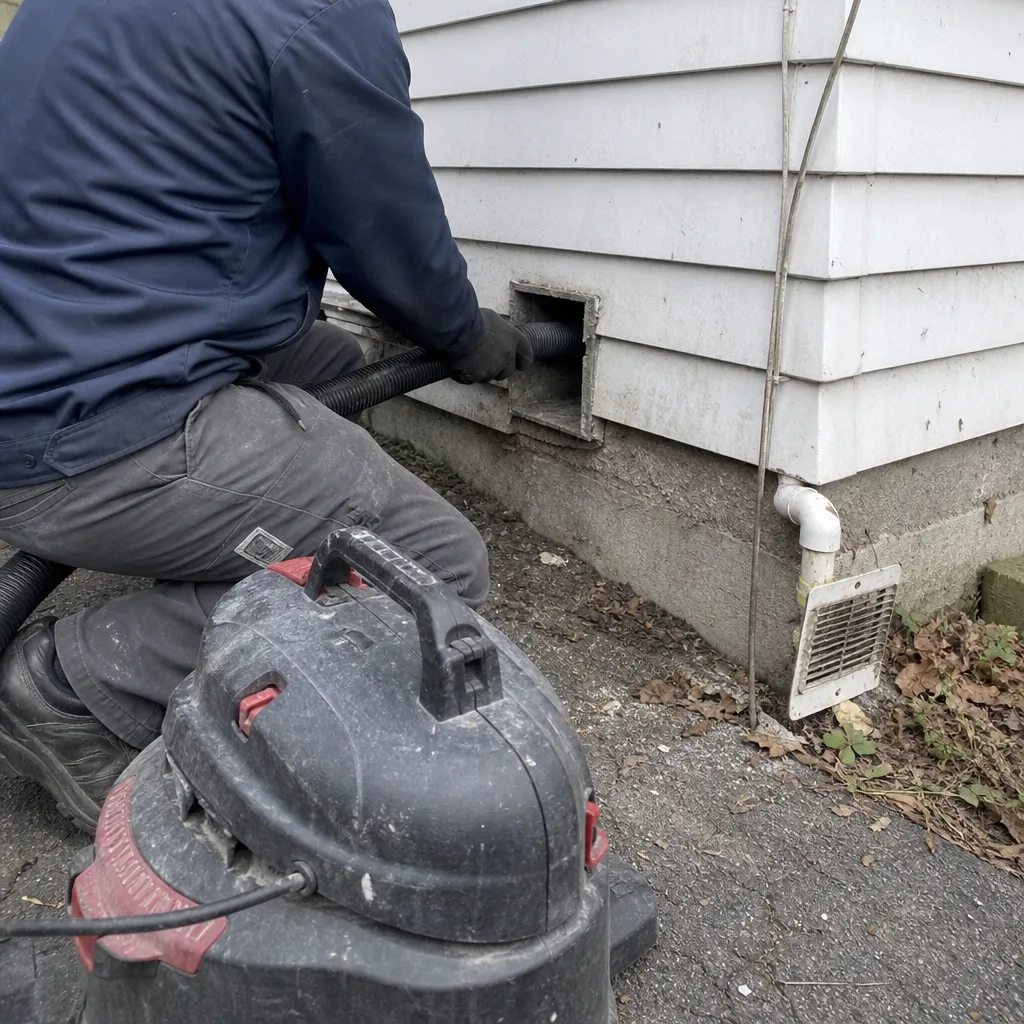
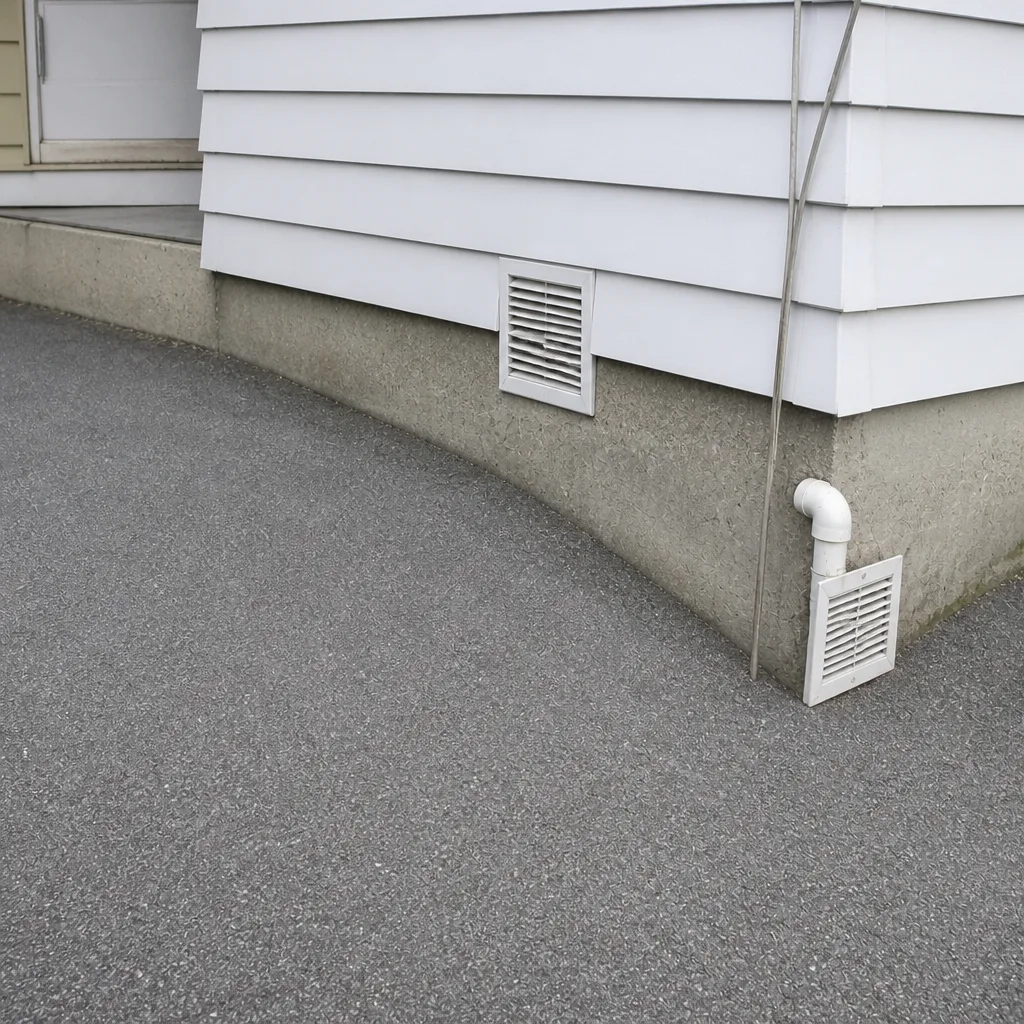
- Dryer vent clearing. The short, straight run of dryer vent that leaves the back of the dryer and goes through an exterior wall can often be cleared with a vent brush kit attached to a drill. This is not the same as cleaning a long concealed run that goes up through the wall to the roof – that requires professional tools and sometimes a vacuum system at the exterior termination. The lint trap and the immediate connection are yours; the long run is where fire risk concentrates.
What DIY doesn’t cover: the interior of the main trunk, the branch runs past the first elbow, and the deeper returns. Those are the parts that hold the majority of the accumulated debris.
When a DIY Attempt Makes the Professional Job Harder
We’ve been called to plenty of homes where a homeowner’s earlier attempt made the eventual job longer and, occasionally, more expensive. The physics cuts both ways. Here’s how a well-intentioned DIY can complicate the cleanup.
- Compressed debris. A shop vac attached to a register pushes a wide, slow stream of air against the duct walls. That can pack light debris into a denser mass at the first elbow, where it then sits harder than it did loose. A professional with proper CFM and a whip brush can still clear it, but it takes longer than if the material had never been disturbed.
- Disturbed mold without capture. If there’s biological growth in the duct lining (which happens in humid, poorly-ventilated systems) and a consumer vacuum agitates it without HEPA containment, you’ve released spores into the living space. Professional cleaning uses negative-air filtration so the spores are captured at the source rather than recirculated through your bedrooms.
- Disconnected flex duct you don’t notice. A shop vac’s suction can pull a poorly-taped flex connection apart inside a wall cavity or a soffit. You won’t hear it. The symptom is a room that suddenly gets less airflow weeks later, and the fix is a repair job rather than a cleaning job. Our duct repair and sealing service exists partly because of this.
- Missed insulation damage. Agitating duct liner, particularly the older fiberglass style common in Tottenville homes built in the 1970s and 1980s, can dislodge pieces of the liner and leave a rough surface that traps more dust going forward. Proper cleaning uses tools and pressures calibrated to the liner.
The pattern is simple: DIY doesn’t consistently damage ducts, but when it does, the fix is more involved than the original cleaning would have been. That’s a real cost to weigh.
Is Your Tottenville Home a Good Candidate for Cleaning Now?
Not every home needs cleaning this season. Deciding whether to clean now vs later should be based on what you can actually observe, not on a sales call. Here’s how we’d assess a Tottenville home if we were walking through it with you.
Signs your system is a strong candidate now
- Visible debris when you take a register grille off and shine a light into the boot
- A musty or dusty smell that gets stronger when the heat or AC runs
- Visible dust on the ceiling or furniture near the supply registers, especially after the HVAC has been running
- Recent renovation, drywall work, or pest activity inside the home (both leave fine debris in the system)
- Pets in the household, particularly more than one, with visible hair on the return grilles
- A system that hasn’t been cleaned since the home was built or bought
Signs it’s reasonable to wait
- No visible debris in the boots and no odor
- Recent cleaning documented by the previous owner
- A well-maintained filter schedule and no signs of bypass
- The system is seasonal and the heating season is over (late spring, for example)
Tottenville housing stock is mixed – there are older post-war capes and splits with original galvanized ductwork, mid-century colonials, and newer construction on the edges of the neighborhood. Older systems accumulate more because they were built with less attention to sealing; newer systems sometimes need cleaning because construction debris got left behind. Both are legitimate reasons to clean, and both should guide the timing.
If your dryer vent has never been cleared and it’s been more than a couple of years, that’s a separate and more urgent category. Lint buildup in a concealed dryer vent run is a fire risk, and it doesn’t announce itself with an odor the way a musty duct does. We handle it as a dedicated service – dryer vent cleaning – because it deserves its own attention rather than getting bundled into a general cleaning visit.
The Honest Cost Comparison
Let’s get to the number that matters. DIY looks cheap at the front end. Here’s what it actually costs when you add everything up.
What DIY really costs
- Shop vacuum rental or purchase: A decent wet/dry vac capable of reaching down a register is either a purchase in the $80 to $150 range or a rental of $30 to $60 per day. Plus hoses and adapters.
- Vent brush kit: $25 to $75 depending on length and attachments.
- HEPA filter for the vacuum: $20 to $40, and it needs replacing if it clogs.
- Tape, plastic sheeting, dust masks: $15 to $30.
- Time: Realistically 4 to 8 hours of work for a homeowner who doesn’t do this regularly, and it will be done in a way that leaves a visible dust film to clean up afterward.
So the all-in DIY cost is somewhere in the $150 to $350 range for the equipment and materials, plus a day of your time, and the outcome – even done well – is limited. You’ve cleaned the visible surface and disturbed the interior without capturing much of it.
What professional cleaning covers
- The full supply and return system under negative pressure
- Mechanical agitation via brush or whip through every reachable run
- HEPA containment of all dislodged particulate
- Visual verification (more on that below)
- A written report of what was found and what was done
- The option to include sanitizing (we use Guardsman-grade products), repair, or sealing in the same visit if needed
The realistic comparison isn’t “DIY cheap vs professional expensive.” It’s “DIY cleans 20% of the system and leaves a mess” vs “professional cleans the whole system and contains the debris.” Those aren’t the same job, so the price comparison isn’t apples to apples. Call (855) 658-4115 for a free estimate specific to your home – the number depends on the size, complexity, and number of runs in your system, and it’s set in writing before any work starts.
How to Verify the Work Was Actually Done
This is where the industry’s bad reputation comes from. A homeowner pays for cleaning and never sees proof of what happened. Here’s how to close that gap.
- Ask for before-and-after photos of your own ducts. A real technician takes them during the visit. A photo of your own register boot before cleaning and the same boot after cleaning tells you immediately whether anything changed. If a company can’t produce photos of your specific system, that’s a red flag.
- Watch the containment setup. You should see a large vacuum hose connected to the system and negative-air filtration equipment running nearby. You should hear the airflow change when the system is sealed and put under pressure.
- Look at the register grilles after. Grilles that were dirty on removal should be clean when reinstalled. If they look the same as they did before, ask why.
- Ask for a written summary of findings. What was found, what was cleaned, what could not be reached. Good companies document this. Companies that can’t are usually hiding that they didn’t do the work.
- Get one flat price per system agreed before work begins. No per-vent pricing, no surprise add-ons when the technician is already on site. If the price changes mid-job, that’s not how it should work.
We photograph every job our technicians do and provide a written summary afterward. That’s not a marketing promise – it’s the only way for you to know the job was real. It’s the reason Air Duct Cleaning Tottenville exists in the form it does.
Common Mistakes to Avoid
- Renting a shop vac and “cleaning” your own ducts. A shop vac moves air at a tiny fraction of the CFM needed to actually clean a duct run. At best, it agitates dust. At worst, it releases more into the living space than it removes.
- Believing per-vent pricing is a good deal. Per-vent quotes reward the company for counting rather than cleaning. Whole-system cleaning is priced as a job, not as a unit price per register.
- Skipping the dryer vent because “it’s not part of the duct system.” It isn’t, but the fire risk it represents in a Tottenville home with a long concealed vent run is comparable to any duct concern. Treat it as its own maintenance item.
- Choosing the lowest bid without asking about equipment. If a quote comes in far below the others, ask what CFM the truck produces, what filtration they use on the containment side, and whether they’ll show photos afterward. If those answers are vague, the price reflects it.
- Not changing the filter at the same time. A cleaning on a clogged filter undoes itself within weeks. If you’re using a Honeywell or Aprilaire filter system, replace per its rated interval at the time of cleaning.
- Assuming a musty smell is just “old house.” Odor that intensifies when the HVAC runs is coming from the ducts. Clean and, if needed, sanitize rather than live with it.
- Doing the cleaning yourself but ignoring disconnected flex. As discussed above, a shop vac can pull a loose flex connection apart inside a wall cavity. If airflow to a room drops after a DIY attempt, get it checked before calling it a coincidence.
When to Call a Professional
There are situations where DIY is genuinely a waste of a Saturday. Call a professional if any of the following describes your home:
- You can see visible debris or dust accumulation in more than one register boot
- The system has never been cleaned and the house is more than 10 years old
- There’s been recent renovation, water damage, or pest activity
- You smell a musty odor when the HVAC runs
- You have pets and multiple occupants with seasonal allergies or asthma
- Your dryer vent run is long, concealed, or terminates on the roof
- You attempted a DIY cleaning and airflow to a room changed afterward
Our technicians have up to 11 years of experience, and we use professional-grade equipment – Rotobrush and Nikro systems designed for duct work specifically – plus Abatement Technologies negative-air filtration on every job so the debris gets contained rather than recirculated. We handle cleaning, dryer vent service, HVAC cleaning, repair, and sealing in-house, so you’re not handed off to a second contractor for follow-up. HVAC cleaning and duct work often overlap, and doing them together saves you a second visit. Air Duct Cleaning Tottenville offers free estimates in Tottenville – call (855) 658-4115. We answer 24/7. Fast dispatch from 7am to 7pm, Sunday through Friday.
Frequently Asked Questions
Most Tottenville homes fall into a range that’s set by the number of runs, the size of the home, and whether sanitizing, repair, or sealing is included. There’s no honest single number because a 1,200-square-foot cape isn’t the same job as a 3,000-square-foot colonial with two systems. The industry’s cheat is to advertise a low teaser price and then inflate it on-site. We price per job, in writing, before work starts. Call (855) 658-4115 for a free estimate.
Because they’re not quoting the same job. A cheap quote usually means a portable vacuum, no real containment, no brush agitation, and time budgeted in minutes rather than hours. Sometimes it also means the technician won’t actually be doing full-system work, just the register boots. The low price reflects what’s being sold. Ask each company what equipment they’ll bring, what CFM their vacuum produces, and whether you’ll get photos of your own ducts afterward. Call (855) 658-4115 to compare with a written quote from us.
Ask for before-and-after photos of your own duct boots, watch the containment setup during the visit, and get a written summary of findings. A real cleaning changes what you see in the register grilles when the technician is done. If a company can’t provide those, you don’t know what you paid for. Call (855) 658-4115 to schedule a job where you’ll see the proof.
There’s no fixed schedule that applies to every home. Most Tottenville homes do fine on a five-to-seven year interval if the filter is well maintained and there’s no renovation, pest problem, or moisture issue. Homes with multiple pets, allergy-sensitive occupants, or a recent renovation often benefit from cleaning sooner. If you’re not sure, a visual inspection is a reasonable first step. Call (855) 658-4115 for a free estimate.
No, not the interior of the duct system. A consumer shop vacuum moves around 100 to 150 CFM; professional equipment moves 2,000 to 4,000 CFM, and that gap is what actually dislodges built-up debris over the length of a run. A shop vac can help with register grilles, accessible boots, and filter replacement. Anything past the first elbow needs professional gear. Call (855) 658-4115 to discuss what your system needs.
Tottenville’s humid summers and cold winters put the system through wide humidity swings, and that cycle drives more dust adherence inside metal and flex ducts than a stable, dry climate would. Humid air also raises the risk of biological growth on duct liner if there’s any moisture intrusion. If you’re smelling something musty when the heat first runs in the fall, that’s the signal to have the system checked rather than wait. Call (855) 658-4115 for a free estimate.
In most Tottenville homes, yes – it’s a separate task from duct cleaning because the tools, the fire risk, and the access point are different. Dryer vent runs that travel a long distance through walls or up to the roof should be cleaned by a professional with proper extraction equipment. Lint accumulation in a concealed run is a fire hazard, not a maintenance nuisance. Call (855) 658-4115 to schedule dryer vent cleaning alongside duct work if you want both done in one visit.
The Bottom Line
DIY air duct cleaning is worth doing for the small, visible stuff. Register grilles, filter changes, accessible boots, dryer lint – those are real maintenance tasks and they help. But the interior of your duct system, especially in a Tottenville home with older sealed ductwork, is a different job with different requirements. It needs high airflow, mechanical agitation, and HEPA containment working together, not a rented shop vac and a Saturday afternoon. If your observable signs point to a system that needs cleaning – visible debris in the boots, musty odor, recent renovation, pests, or pets – the equipment is the deciding factor. Professional-grade systems from Rotobrush and Nikro plus Abatement Technologies containment are what make professional cleaning a different operation, not just a more expensive version of the same one. One flat price per system, agreed before work starts, with before-and-after photos of your own ducts, is the standard to hold any company to.
Call Air Duct Cleaning Tottenville at (855) 658-4115 for a free estimate. We answer 24/7. Fast dispatch from 7am to 7pm, Sunday through Friday.
Written by the team at Air Duct Cleaning Tottenville.
See the difference
 Before
 After
 Before
 After
 Before
 After