
Last updated November 24, 2026
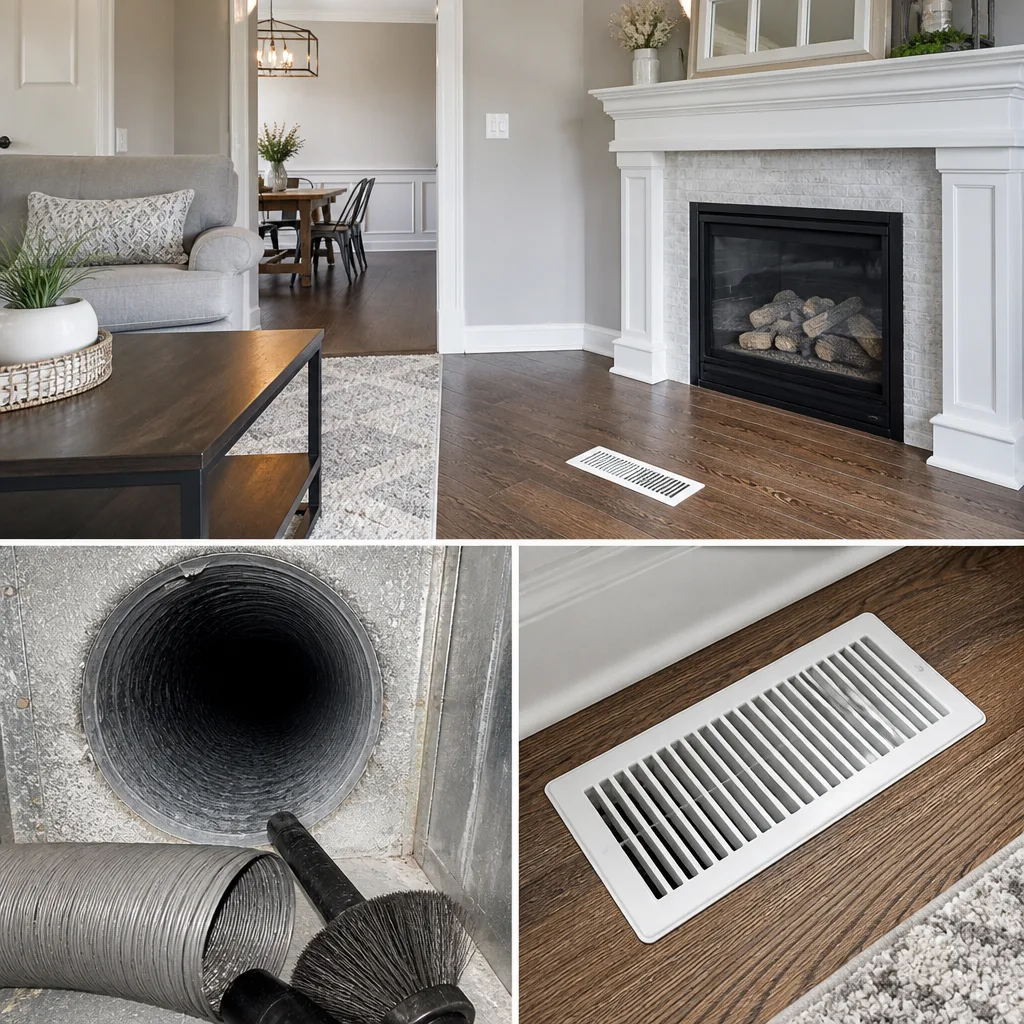 Whole-home duct cleaning
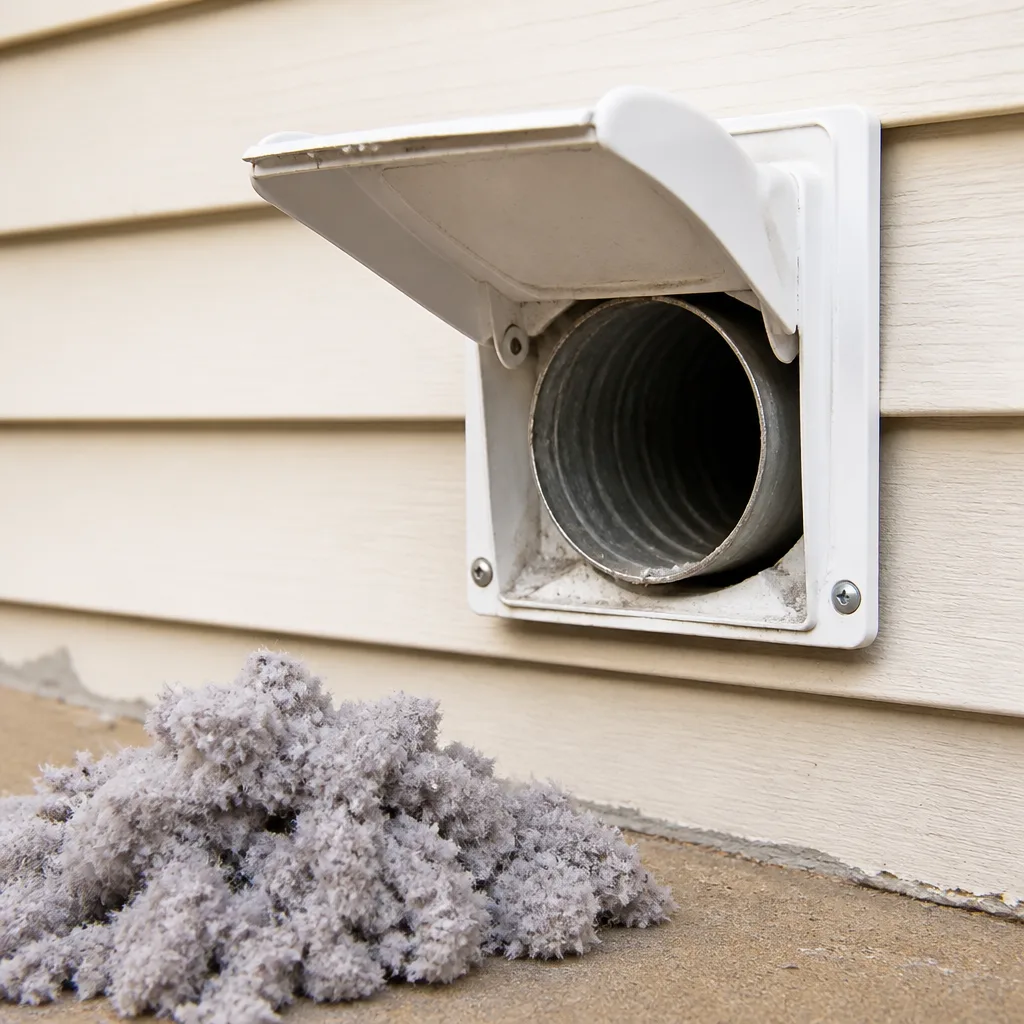 Dryer vent cleaning
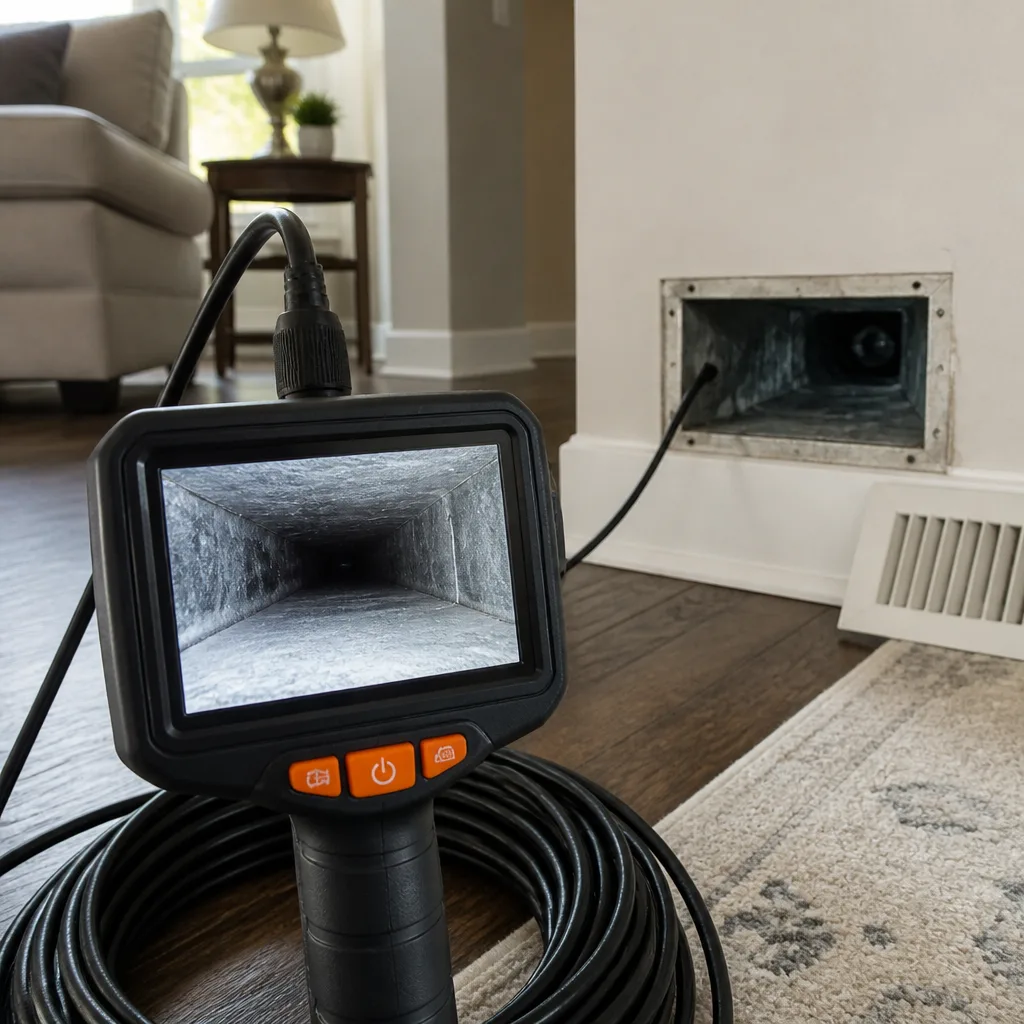 Camera inspection
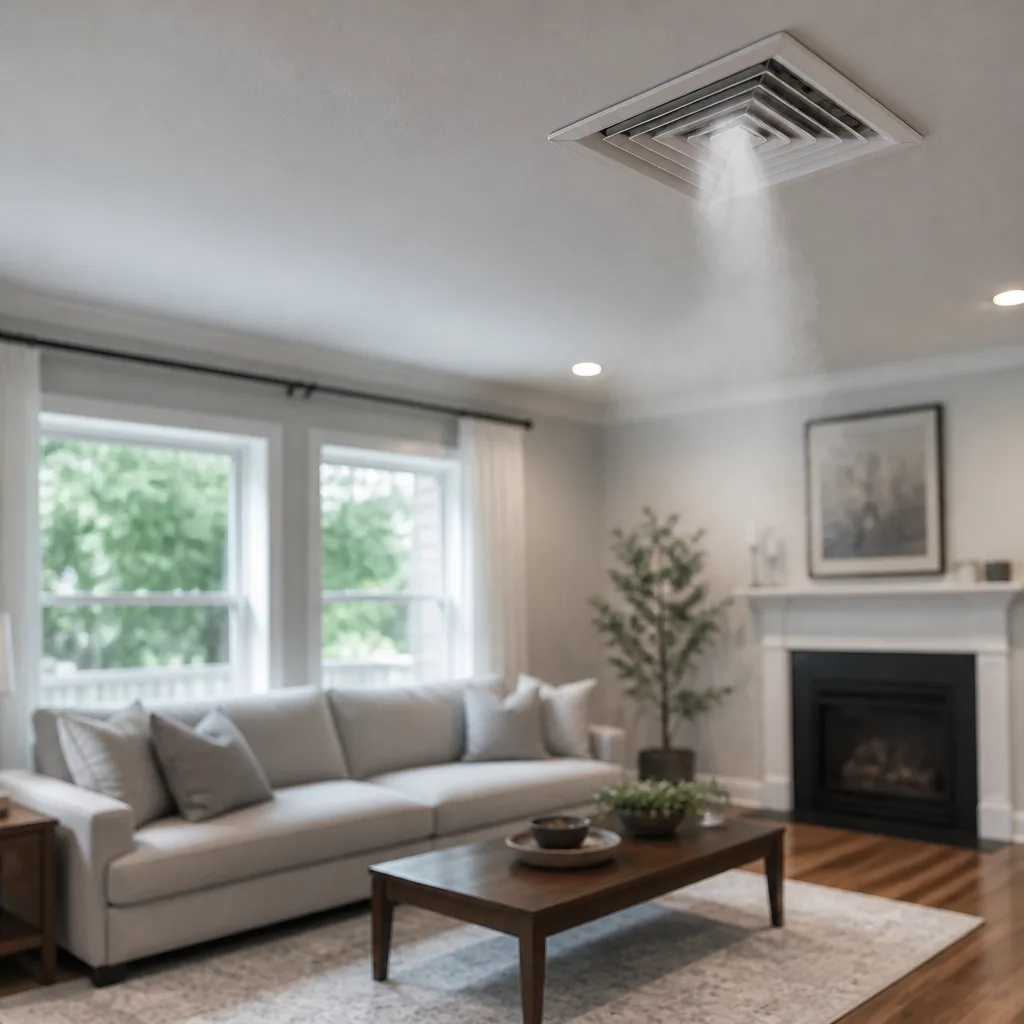 Sanitizing & deodorizing
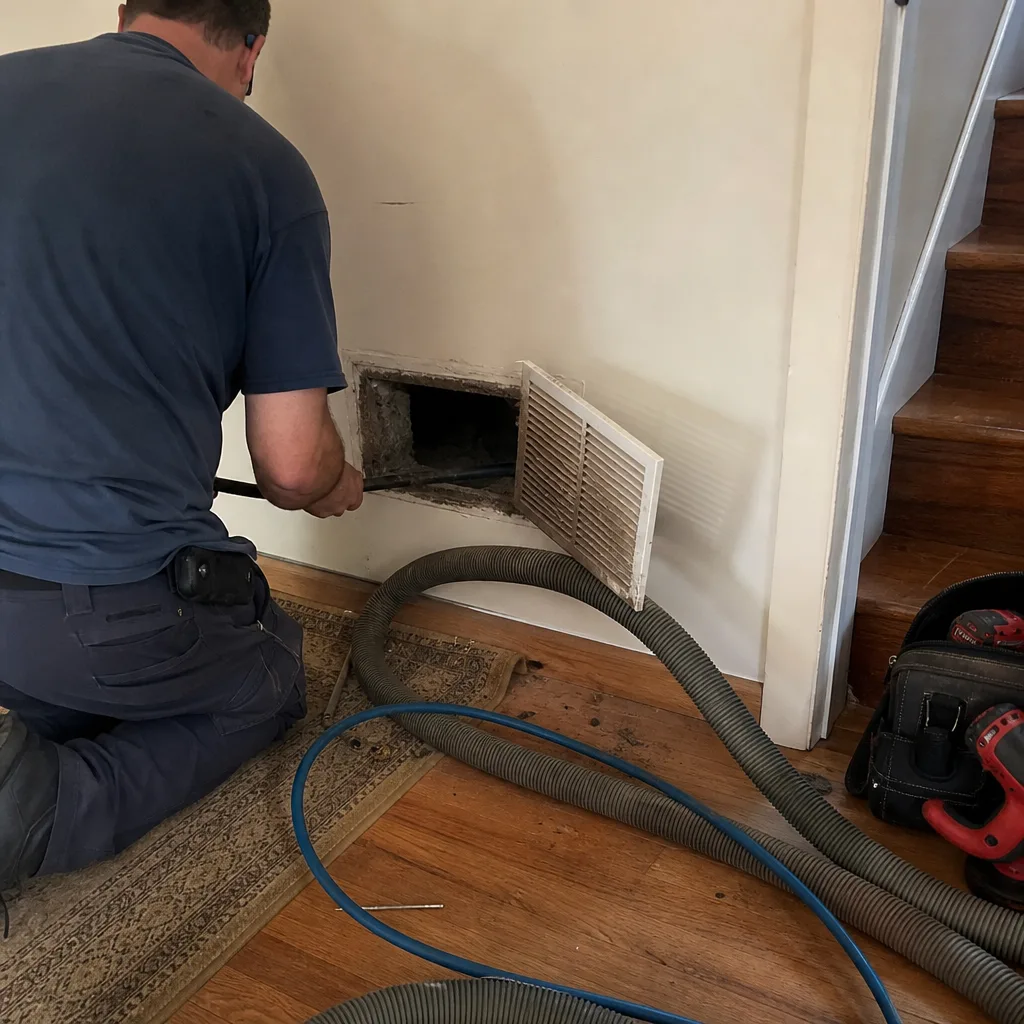
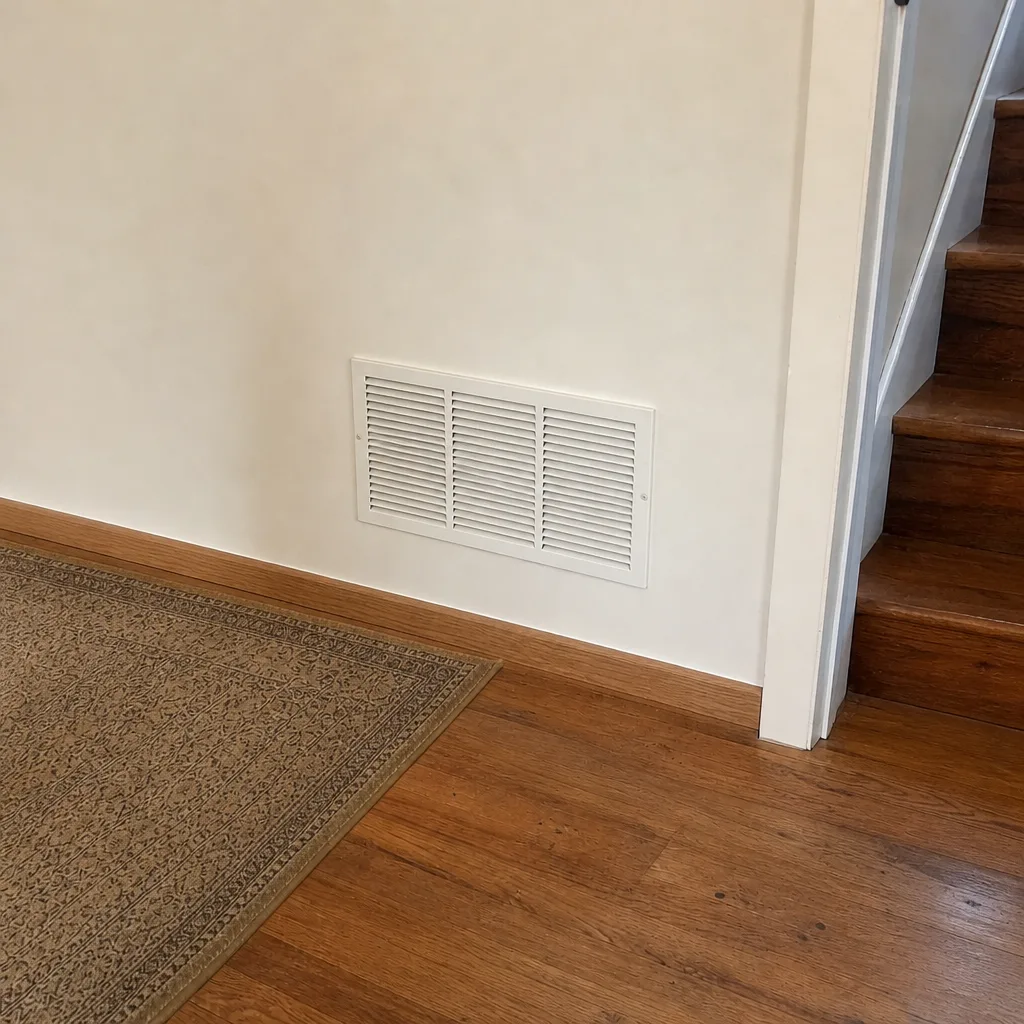
Whole-system duct and dryer vent check with before-and-after photos - you see exactly what came out of your vents
That "$99 whole-house special" is a bait ad - the real number appears once they are in your hallway, or the "clean" is a shop-vac at the register. We photograph the inside of your ducts before and after instead.
How to Hire an Air Duct Cleaning Contractor in Tottenville: A Step-by-Step Guide
Most homeowners in Tottenville who get burned by a duct cleaning scam aren’t naive. They’re busy. They made one phone call, heard a number that sounded reasonable, and let someone into the house. The homeowners who avoid the trap share one habit: they know three specific things to ask before anyone touches their system, and they ask them before the truck pulls up. This guide gives you those three checkpoints, the exact phone questions that separate a real contractor from a bait-and-switch operation, and a walkthrough of what a legitimate job looks like from first call to final documentation. Read it once and you’ll vet any contractor in Tottenville with confidence.
Quick Answer
To hire an air duct cleaning contractor in Tottenville, verify three things before you book: current NADCA membership, proof of general liability insurance that names your property, and a written scope of work with itemized pricing delivered before work starts. Then ask about equipment on the phone – a professional negative air machine and a brush agitation system are the floor, not the ceiling. If any of those three checkpoints can’t be met, walk away.
Styles & brands we work with
- Whole-home duct cleaning
- Dryer vent cleaning
- Camera inspection
- Sanitizing & deodorizing
Table of Contents
- Why the Duct Cleaning Industry Has a Trust Problem
- The Three Credential Checkpoints That Actually Matter
- Equipment Questions to Ask on the Phone
- How to Read a Duct Cleaning Quote
- Red Flags During the Job Itself
- What a Legitimate Post-Job Walkthrough Includes
- Tottenville-Specific Factors That Affect the Job
- Common Mistakes to Avoid
Why the Duct Cleaning Industry Has a Trust Problem
Duct cleaning has a reputation problem because it earned one. A low teaser price gets a foot in the door, and once the technician is inside, the number changes. Sometimes it’s a “sanitizing treatment” you didn’t ask for. Sometimes it’s a “mold discovery” that requires an immediate upsell. Sometimes the work simply never happens: the machine runs for twenty minutes, the technician hands over a receipt, and nobody has actually cleaned anything. Homeowners in Tottenville read these stories online and either overpay to avoid them or refuse the service entirely.
The pattern isn’t unique to New York. Duct cleaning is one of the few home services where a door-to-door or cold-advertising operation can underprice a legitimate contractor and still turn a profit, because the work is invisible after the fact. You can’t see inside your ducts from the living room. That information gap is what fraud exploits.
The counter is straightforward: replace the trust you don’t have with evidence you can verify. Credentials you can check. Equipment you can name. A scope of work in writing. Those three things turn a subjective judgment into a checklist. Our technicians have up to 11 years of experience, and in that time the difference between a professional job and a cheap one has always come down to the same handful of verifiable details. This guide walks through each of them.
The Three Credential Checkpoints That Actually Matter
Skip the reviews page for a moment. Reviews can be gamed, and even honest reviews tell you whether someone was polite, not whether they cleaned properly. Verify these three items before you book, and you’ll eliminate most of the risk.
1. Current NADCA membership
The National Air Duct Cleaners Association (NADCA) publishes an Assessment, Cleaning, and Restoration standard that most legitimate contractors follow, along with an air systems cleaning specialist certification. Membership is verifiable through NADCA’s own directory. A contractor claiming membership who can’t be found there is not a member. Ask for the company name as it appears on the association record, then look it up yourself. This takes two minutes and eliminates a large share of the market.
2. General liability insurance that names your property
Any contractor working inside your home should carry general liability coverage, and the certificate should list the address being serviced. Ask for a certificate of insurance before the job is scheduled. If the contractor hesitates, treats the request as unusual, or promises to “bring it on the day,” that’s a signal. A legitimate operation can produce this on request because the policy exists year-round.
3. A written scope of work before work begins
The scope should specify what’s being cleaned (supply trunks, branch lines, return ducts, registers, the air handler or furnace coil as applicable), the method being used, and the price for each line item. Verbal agreements don’t survive contact with an on-site upsell. Ask for the scope in writing, review it before the technician arrives, and hold the contractor to it. A written scope of work is also the document you keep for insurance, resale, or future service records.
- Verifiable: NADCA listing, insurance certificate, written scope.
- Not verifiable: “We’re fully licensed” without a document, “we’ve been doing this for thirty years,” a truck magnet with no association name.
- Ask for the verification, not the claim: paperwork is the difference between a credential and a marketing phrase.
Equipment Questions to Ask on the Phone
You can screen a contractor before they back into your driveway. The questions below are the ones that separate professional equipment from a consumer rental in the back of a hatchback. Listen for specific answers rather than enthusiasm.
What negative air machine are you using?
A proper duct cleaning requires negative pressure inside the duct system, meaning air is being pulled out of the ducts and exhausted through a HEPA filtration unit rather than pushed back into the room. Ask what machine they’ll use. Truck-mounted units are common for larger jobs. Portable negative air machines with a HEPA filter are standard for residential work. A shop vac is not a negative air machine.
What’s the CFM rating?
CFM (cubic feet per minute) is the airflow measurement of the extraction equipment. A contractor who can’t answer this is either not using professional equipment or not familiar enough with it to trust. There isn’t one universal CFM figure that applies to every home, but the answer should be a number tied to a specific machine, not a vague “high-powered.”
Are you using brush agitation?
Compressed air alone loosens dust from duct surfaces but doesn’t always dislodge it from the duct walls. Rotating brushes or whips push the debris into the airstream where the negative pressure can capture it. Rotobrush systems are one of the industry names in this category, and we use them because they’re purpose-built for residential duct work rather than repurposed shop equipment.
How do you contain dust in the house?
The right answer involves a negative-air setup and, ideally, additional containment equipment. We use Abatement Technologies filtration units during jobs – the same gear used in remediation work – because a cleaning that recirculates dust into the living room defeats the purpose. If the contractor’s answer is “we put down a drop cloth,” that’s not the same thing.
How to Read a Duct Cleaning Quote
Two quotes that look identical on the surface can describe very different work. The line items are where the difference lives. Read the quote twice: once for the price and once for what’s actually included.
Every professional quote should include these line items
- The areas being cleaned: supply ducts, return ducts, registers, and the air handler as specified.
- The extraction method: negative air machine model, brush agitation approach, and any additional containment.
- Number of vents, registers, or footage wherever the price is at all volume-based.
- Any add-on services listed separately, so you can decline them without renegotiating the whole quote.
- The price per line item rather than a single lump sum with no breakdown.
What absence signals
If the quote names no areas, no method, and no equipment, it’s a phone number and a dollar figure. If it’s a single line item with a “special” price, take it as an invitation to ask what isn’t covered. If it includes a “sanitizing treatment” nobody asked for, or a “free inspection” that leads into an on-site diagnosis of mold, treat the on-site proposal as a separate sale and decline any work you haven’t received in writing.
How to compare bids that look the same
Line up the quotes side by side on four columns: areas covered, equipment used, add-ons included, and total. A lower total that cleans only supply ducts isn’t the same job as a higher total that covers returns and the air handler. Compare like for like. If a price looks far lower than the others, the question isn’t “how is it so cheap” but “what’s been left out.”
| Line item | What a legitimate quote shows | What a red flag shows |
|---|---|---|
| Areas covered | Supply, returns, registers, air handler | “Whole house” with no specifics |
| Equipment | Named negative air machine + brush system | “Powerful equipment” or omitted |
| Price structure | Per-line item, on paper | Single voucher-style price |
| Add-ons | Listed separately, optional | Bundled sanitizer or “treatments” |
Red Flags During the Job Itself
The equipment is in the house and the work is underway. This is where a cheap operation gets exposed, and where a properly-run job is easy to spot if you know what to watch for.
- The technician doesn’t seal off return vents. When negative pressure is created, vents and registers that aren’t part of the active cleaning need to be sealed. If they’re wide open, dust is being pulled from the cleaned section back into the living space. Watch for tape or coverings on registers within the first fifteen minutes.
- No negative pressure is being created at all. Ask where the exhaust is going. If the answer is “into the room” or “out the window,” that’s not negative air. A proper machine exhausts through HEPA filtration.
- The whole job finishes in under 90 minutes. This is the single most reliable signal that the work didn’t happen. A genuine whole-home cleaning on a typical residential system with several supply branches and returns takes longer than that. Finishing in under 90 minutes for a whole-house scope is a strong indication the machine ran for a short time and nothing meaningful was cleaned.
- The technician offers an on-site “discovery” that expands the scope. Mold you can’t see, a broken part, an urgent sanitizing treatment – all of that is a sales pitch, not a service. Decline anything not on the written scope and ask for it in writing if it genuinely needs attention.
- No photographs. A technician who can’t show you before-and-after photos of your own ducts – not stock images – is either not proud of the work or unable to prove it happened. Photographs taken during the job are the simplest documentation and any professional should be providing them.
None of these require technical expertise to notice. They require you to be home and to ask one question if something looks off. If the answers don’t add up, you have every right to stop the job and not pay for work that clearly wasn’t performed.
What a Legitimate Post-Job Walkthrough Includes
The walkthrough is the moment the job converts from a service call into a documented record. A thorough walkthrough is not a long conversation; it’s a short, specific review with a paper trail.
Before-and-after photographs of your own ducts
Every duct cleaning should be documented with before-and-after photographs of the ducts at multiple points in the system, taken during the work, not staged afterward. You should be able to look at the photos together and see clean duct walls where the dust was. If the photos can’t be produced, the work wasn’t verified.
A written summary of what was cleaned and what was found
The summary should list the areas cleaned, the equipment used, and any issues observed during the job (loose joints, deteriorating sealant, signs of moisture, a damaged flex run). This is not a sales document – it’s the record of what the contractor observed. Keep it with your home maintenance file.
A pre-scheduled follow-up scope
A contractor may recommend follow-up work like duct sealing or repairing a specific connection. That recommendation should be given as a separate written scope, not a verbal pitch, and it should be specific to what the technician saw. If duct sealing or repair is needed, we handle it in-house so you’re not handed off to a second contractor for follow-up work on the same system.
Documentation for insurance and resale
- Keep the before-and-after photographs, the written scope, and the invoice together.
- For insurance purposes, note the date, contractor name, and the areas cleaned.
- For resale, a documented cleaning history is meaningful to buyers who ask about indoor air quality.
If you’re scheduling a whole-home air duct cleaning for the first time, the walkthrough is where you’ll actually understand what was inside your system. Ask questions. A professional will answer them.
Tottenville-Specific Factors That Affect the Job
Tottenville is a neighborhood at the southern tip of Staten Island, and it comes with a housing mix that changes what a duct cleaning job looks like from block to block. Some of the housing stock is older, which means ductwork that was added or modified after the home was built. Some of it is newer construction with tighter envelopes and modern HVAC systems, where the filtration setup matters more than the duct work itself. In both cases, a contractor who shows up assuming one layout is going to miss half of what a Tottenville home actually contains.
Homes here also sit close to the water and among mature trees, which has two consequences. First, high pollen periods make duct cleaning a genuinely useful service for allergy-prone households in Tottenville, not just a marketing idea. Second, moisture problems in older crawlspaces and basements show up as condensation inside ducts over time, which is worth a close look at every walkthrough. A technician who knows to check for that is doing more than cleaning the ducts.
Housing age and layout also affect job length. A one-zone home with a simple supply-and-return layout takes less time than a two-zone split-level with multiple trunks. If a contractor quotes the same flat number for both without looking, they’re not pricing the actual job. Whole-system pricing agreed in writing before the work starts – the same way any professional job should be priced – is the standard we hold to.
Common Mistakes to Avoid
- Booking based on a coupon price. A “$49 whole house special” is not a cleaning, it’s a foot in the door. Once the technician is inside, the price changes. Ask for a written scope before you agree to anything.
- Skipping the insurance request. Homeowners in Tottenville often forget to ask for an insurance certificate. A contractor working inside your home should produce one without argument. No certificate, no booking.
- Accepting a verbal scope. Verbal agreements have a way of disappearing once the equipment comes out. Get the areas, method, and price in writing before the truck arrives.
- Not being home for the job. The red flags listed earlier are visible in real time. Being home to watch the first twenty minutes and the walkthrough is the simplest protection you have.
- Assuming all “sanitizing” is standard. Sanitizing is a legitimate service when it’s actually needed and outlined in the scope. It’s a red flag when it appears on the invoice without a prior conversation.
- Ignoring the dryer vent. A dryer vent clogs over time and becomes a genuine fire risk. If your contractor doesn’t offer dryer vent cleaning as a standalone service, you’ll need to find someone who does.
- Treating the invoice as the final record. The photographs and the walkthrough summary matter more than the invoice for insurance, resale, and future service decisions. Keep them.
See the difference
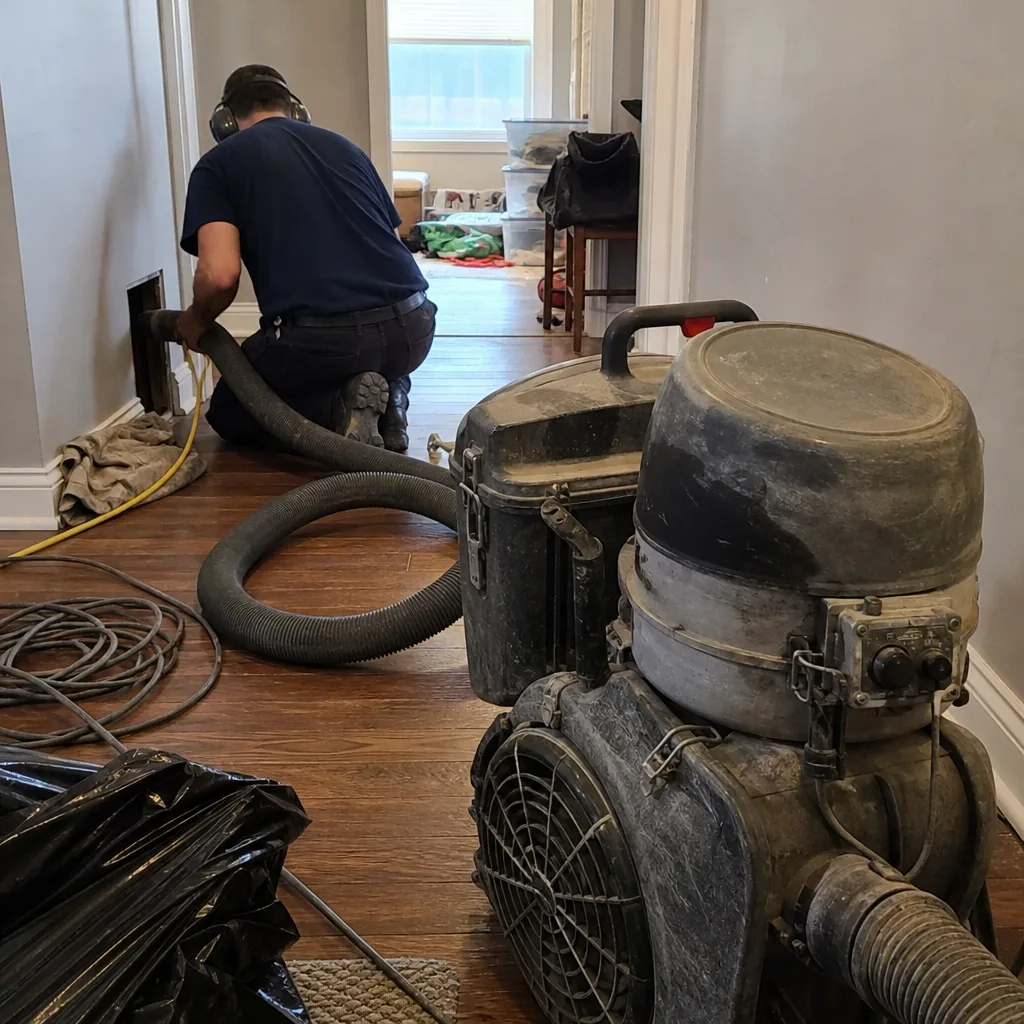 Before
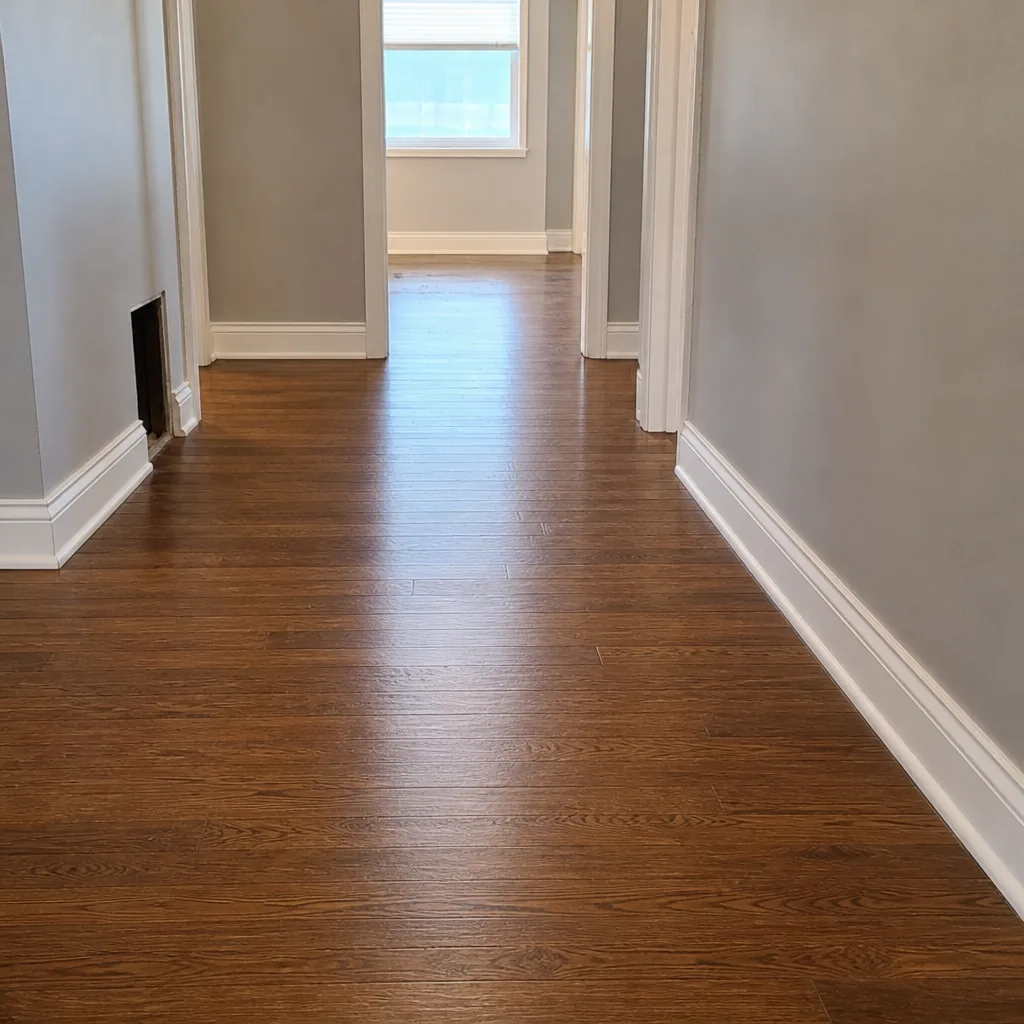 After
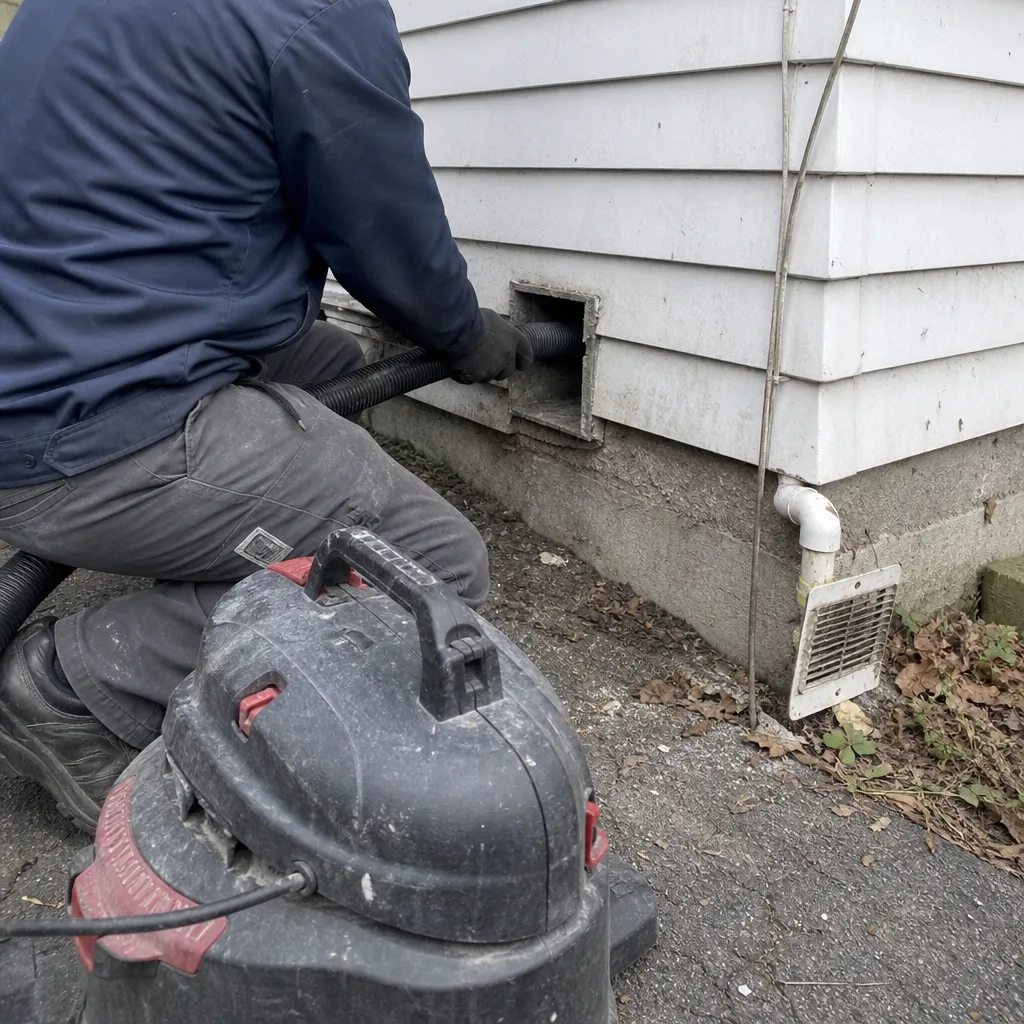 Before
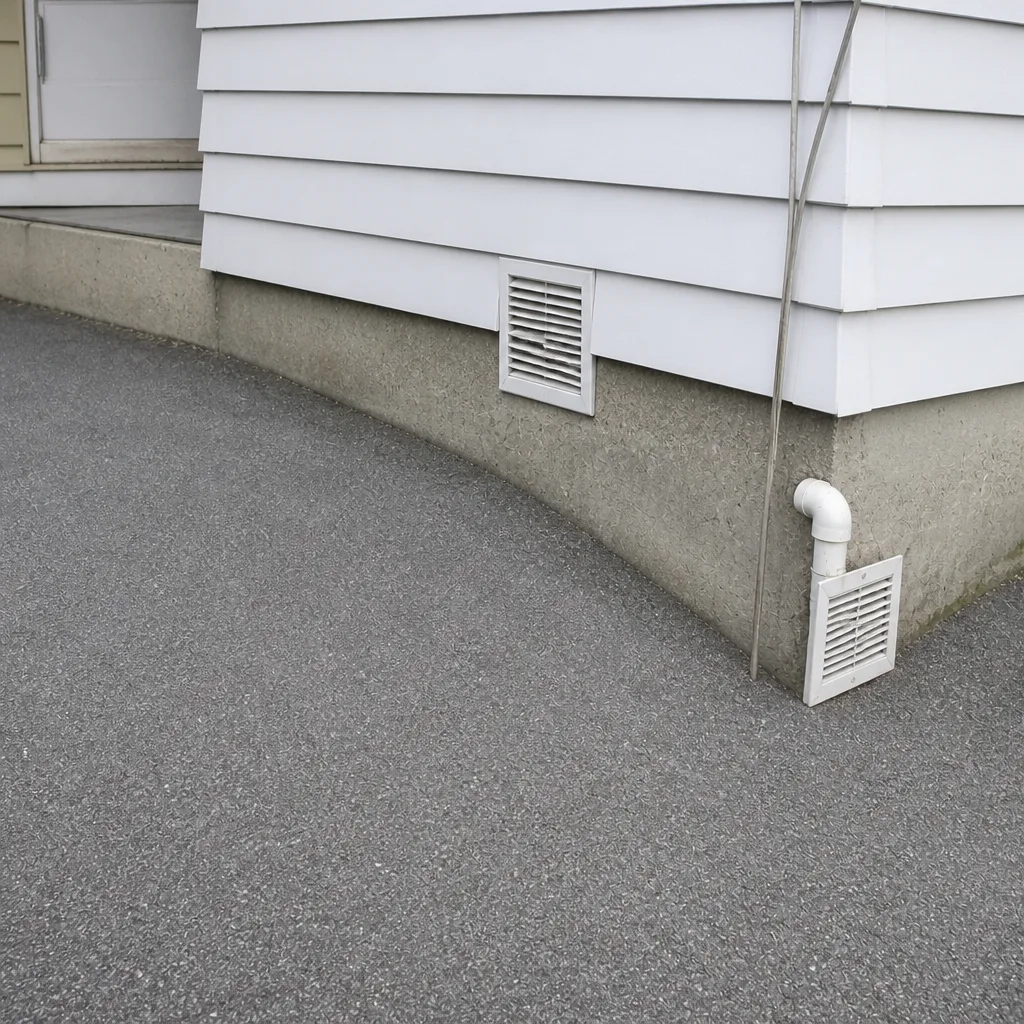 After
 Before
 After
When to Call a Professional
Some situations need a professional in the door and some don’t. If you notice visible mold growth inside the ducts, or a persistent musty smell that doesn’t clear with ventilation, that’s a professional call – the source is often deeper than the register. If anyone in the home has unexplained respiratory symptoms and the ducts haven’t been serviced in years, a cleaning and inspection are worth scheduling. If your dryer takes multiple cycles to dry a load, or the exterior vent flap doesn’t open fully during a cycle, that’s a clogged dryer vent and it’s a fire risk. If you’ve just moved into a Tottenville home and don’t know its service history, a whole-system cleaning with documented photos gives you a baseline. Air Duct Cleaning Tottenville offers free estimates in Tottenville – call (855) 658-4115. The estimate is free, the price is set per job by the written estimate, and there’s no service-call fee.
Frequently Asked Questions
Pricing for air duct cleaning in Tottenville depends on system size, number of supply and return runs, whether the air handler is included, and whether duct repair or sealing is needed. It’s set per job by the written estimate, not by a per-vent price. Call (855) 658-4115 for an exact quote – estimates are free.
Because the cheaper quote is usually doing less work. A low price typically means supply ducts only (returns skipped), a repurposed shop vac instead of a negative air machine, or a set price that changes once the technician is on site. Compare line items, not totals. Call (855) 658-4115 for an exact quote on what a full job in Tottenville actually costs.
Before-and-after photographs of your own ducts, taken during the job. Not stock images, not a promise – photographs of your ducts. A legitimate contractor produces these on request as part of the walkthrough. If the photos can’t be produced, the work wasn’t verified. Call (855) 658-4115 for an exact quote.
There’s no universal schedule, and anyone who tells you “every year, no matter what” is selling a subscription. Most homes need it every few years, and sooner if there’s visible mold, a musty smell, recent renovation dust, or a new-to-you home of unknown history. In Tottenville, high pollen seasons and older housing stock push some homes toward the shorter end. Call (855) 658-4115 for an exact quote and a look at what your system needs.
It can, especially in homes where pollen and dust have accumulated in the duct system over multiple seasons. It’s not a replacement for source control, but cleaning the ducts removes a reservoir that recirculates into the living space every time the system runs. Call (855) 658-4115 if allergy season has you wondering whether your ducts are part of the problem.
Yes, if it hasn’t been cleaned in years or the coil is visibly dusty. The ducts and the air handler share the same air, and cleaning one without the other leaves a reservoir that recontaminates what was just cleaned. We handle both under one scope, and we can work on HVAC cleaning in the same visit. Call (855) 658-4115 for an exact quote.
A professional negative air machine with HEPA filtration, a brush agitation system (Rotobrush is the standard system we use), and containment equipment such as Abatement Technologies filtration units to keep dust from recirculating into the living space. If the equipment on-site looks like a rental shop vac, stop the job. Call (855) 658-4115 for an exact quote on a properly equipped cleaning in Tottenville.
No. With proper negative air and containment equipment in place, you can stay. The point of HEPA filtration and containment is that dislodged dust doesn’t end up in the room. A contractor whose setup requires you to leave is telling you something about their equipment. Call (855) 658-4115 for an exact quote.
The Bottom Line
Hiring a duct cleaning contractor in Tottenville is a three-checkpoint exercise: NADCA membership you can verify, an insurance certificate you can see, and a written scope of work you can hold someone to. Everything else on this page follows from those three. The equipment questions screen out the bait-and-switch operators before they show up. The job-site red flags catch the ones who slip through. The walkthrough gives you photographs and documentation you keep. None of this requires technical knowledge – it requires a checklist and a willingness to ask one question when something looks wrong. If you need a contractor who arrives with Rotobrush and Nikro equipment, uses Abatement Technologies containment, and can explain exactly what was cleaned and why, we can help. Air Duct Cleaning Tottenville handles cleaning, sanitizing, repair, and sealing as a single scope, plus dryer vent cleaning as a dedicated service. Call (855) 658-4115. We answer 24/7. Fast dispatch from 7am to 7pm, Sunday through Friday. Estimates are free.
Written by the team at Air Duct Cleaning Tottenville.